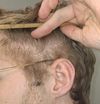
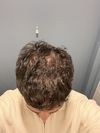
The conversation discusses starting finasteride 1mg daily for hair loss and mentions a high baseline DHT level. Users comment on the unusually high DHT level and its potential causes.
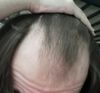
A 19-year-old transgender individual is experiencing worsening temple recession despite taking female hormones and 1.25mg finasteride. They are seeking advice on additional treatments to address hair loss.
High-dose oral minoxidil (>5 mg/day) can increase hair density in some men with androgenetic alopecia, but side effects like extra body hair and heart issues are common. Gradual dose increase is advised, but adverse effects may lead to discontinuation or dose adjustments.
The user is asking for opinions on whether their hair growth is due to Pantostin and hormone treatments. One commenter confirms regrowth and asks about the hormone treatments.
The user has been using finasteride and minoxidil, then switched to dutasteride and minoxidil for six months without significant results, noticing thinning after increasing creatine dosage. They plan to consult a dermatologist to explore potential causes beyond androgenetic alopecia.
The conversation discusses hair loss treatment options, focusing on finasteride and its potential effects on gynecomastia. The user is considering finasteride while managing hormone levels with supplements like boron, vitamin D, zinc, magnesium, and P5P, and is advised to consult an endocrinologist for further evaluation.
NAD⁺ precursors and EGCG may increase hair density, but users report mixed results with no significant hair gains. Some users suggest combining these with finasteride or dutasteride for better results.
An 18-year-old with diffuse hair thinning is considering switching from a topical Minoxidil 10% + Finasteride 0.1% solution to Minoxidil 5% foam and oral Finasteride 0.5mg, while also addressing vitamin D deficiency and potential scalp inflammation. Users suggest using Nizoral shampoo for inflammation, considering dutasteride for better results, and maintaining vitamin D levels to protect hair follicles from DHT.
The conversation discusses the theory that scalp fibrosis contributes to male pattern baldness (MPB) by increasing DHT concentration, and mentions treatments like Minoxidil. The user seeks opinions on the theory and the effectiveness of scalp massages.
A 17-year-old is concerned about hair thinning and unable to see a dermatologist for a year. They are advised to consider using topical minoxidil and possibly finasteride in the future.
Diet can influence hair health, but male pattern baldness (MPB) is primarily genetic. Treatments discussed include Minoxidil, finasteride, and RU58841.
The conversation discusses hair loss treatments, including oral finasteride, topical minoxidil, and microneedling, and the potential impact of Vitamin D and folic acid deficiencies on hair regrowth. It suggests that while male pattern baldness is the primary cause, addressing vitamin deficiencies may aid in improving regrowth.
A user shared progress pictures after 3 years on finasteride, showing improved hair thickness and density, and mentioned losing 15kg. The user plans to fix their hairline next month and received mixed feedback on their hairstyle and the effectiveness of finasteride.
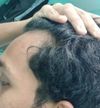
An 18-year-old is using minoxidil, finasteride, and tretinoin for hair loss, with concerns about uneven temple progress. They have been on minoxidil for 3.5 months and finasteride for 2 months.
Oral minoxidil dosing should be based on body weight to minimize side effects, with higher doses increasing risks like pericardial effusion. Combining oral minoxidil with topical treatments and finasteride can improve hair growth, but regular heart health monitoring is essential.
The conversation discusses GT20029, a compound by Kintor Pharma that degrades androgen receptors and is in trials, with potential as a hair loss cure. Another promising treatment mentioned is an antibody that blocks prolactin and has shown positive results in macaques.
The conversation discusses the conflicting information about Zinc's effect on DHT and its role in hair loss. It mentions that Zinc can act as a 5AR inhibitor at high doses but may increase DHT if taken to correct a deficiency, and highlights the importance of nutritional balance for hair health.
An 18-year-old has been using oral finasteride for 4.5 months to address hair thinning noticed since Fall 2022. They report the back of their head feels thicker, but are unsure if it's due to actual progress or placebo effect.
A 15-year-old experiencing severe diffuse thinning plans to use minoxidil, dermarolling, and possibly ketoconazole, with hopes to later incorporate finasteride. Concerns about starting finasteride too young and the need for a dermatologist consultation are discussed.
John Cazale's hairline showed strong recession at the temples but maintained solid volume and density, sparking discussion on different hair loss patterns and the importance of overall hair density. Treatments like Minoxidil and Spironolactone were mentioned as potential factors in maintaining hair, though genetics and styling were also considered significant.
Switching from finasteride to dutasteride and back to finasteride led to gynecomastia and fatigue, likely due to hormonal imbalances. Suggested treatments include Tamoxifen, Raloxifene, or low-dose Anastrozole, with a recommendation to test testosterone and estradiol levels.
The user is experiencing excessive hair thinning and is unsure of the cause. They are seeking opinions on treatments like Minoxidil, finasteride, and RU58841.
The conversation discusses new research on hair growth by Dr. Maksim Plikus, with a call for clinical trials to begin. No specific treatments are mentioned.
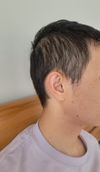
A 23-year-old male is experiencing rapid hair thinning and receding hairline, feeling emotionally drained. He has tried GFC, PRP, ketoconazole shampoo, and supplements without improvement and is considering minoxidil, finasteride, and possibly a hair transplant.
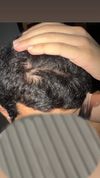
A 28-year-old male experiencing diffuse thinning and miniaturization around the ears and back has tried finasteride, dutasteride, and both topical and oral minoxidil without success. He is seeking advice on identifying the type of hair loss and next steps since current treatments are ineffective.
The user is experiencing hair loss, possibly due to androgenic alopecia or telogen effluvium, and is considering treatments like Minoxidil, Finasteride, or RU58841. They also mention potential iron deficiency and sleep deprivation as contributing factors.
A breakthrough in hair follicle cultivation using induced pluripotent stem cells (iPSCs) has been achieved, producing large hair follicles suitable for transplantation. Clinical trials for this hair multiplication technology are planned in partnership with Yinguan Biotechnology.
The user suspects scarring alopecia and is exploring NSAIDs and turmeric/pepper for inflammation-related hair loss, having experienced burning and thinning with finasteride and testosterone reduction. They are seeking feedback while unable to afford a dermatologist.
Trans woman experiences hair thinning despite low testosterone and treatments like finasteride and microneedling. Possible causes discussed include past eating disorder and current stack of medications and supplements.