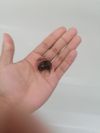
Hair loss treatment should target dermal white adipose tissue (DWAT) to restore hair follicles. Potential remedies include tocopherol (vitamin E), botox, rosiglitazone, niacin, kojyl cinnamate esters, and ADP355.
User stopped using minoxidil due to no growth and greasiness, but experienced hair regrowth after starting HRT with spironolactone and finasteride. Shared before and after photos, showing improvement in hair thickness.
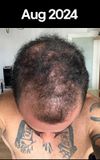
A 23-year-old noticed crown thinning and started using 1.25mg finasteride, biotin supplements, biotin/collagen shampoo, and 1% nizoral shampoo. After 3 months, they reported improvement and side effects that subsided after 2 months.
Rob English, known for promoting scalp massages for hair regrowth, now sells his own brand of finasteride and minoxidil. Opinions are mixed, with some calling him a charlatan and others acknowledging his shift towards scientifically-backed treatments.
Ketoconazole can slightly improve hair density and is best used as an adjunct to treatments like finasteride and minoxidil. It helps with scalp health but won't stop androgenetic alopecia on its own.
Hair loss may be linked to the TRPS1 gene and protein, not just DHT. Amplifica's AMP-303 targets mesenchymal stem cells and shows promise in treating hair loss, unlike Pelage's PP405.
A new serum claims to enhance hair regrowth by amplifying oxygen delivery, improving the effectiveness of treatments like exosomes and peptides. Users are skeptical, questioning its efficacy compared to established treatments like Minoxidil and Finasteride.
RU58841 helped regrow hairline without side effects for a bodybuilder using PEDs. The treatment included RU58841, finasteride, minoxidil, GKH-Cu, microneedling, and HGH.
A transgender woman experienced significant hair regrowth after 18 months of hormone replacement therapy (HRT) with estrogen and bicalutamide. The discussion notes HRT's effectiveness for hair regrowth but warns against its use for cisgender men due to feminizing effects.
Significant hair regrowth was achieved using 1mg of finasteride daily, 3ml of topical minoxidil, ketoconazole shampoo, vitamin D, and castor oil, with no side effects. Results appeared after two months, leading to discussions on treatment effectiveness and commitment.
Theo Von discussed undergoing a hair transplant and is reportedly using finasteride. Joe Rogan also had hair transplants but faced challenges due to thin donor areas and not using finasteride.
The user is experiencing scalp irritation from using RU58841 with a 70% ethanol and 30% propylene glycol vehicle and is considering switching to a less irritating vehicle, such as 30% ethanol with 70% squalane or emu oil. They are seeking feedback on the effectiveness and irritation levels of these alternative carriers.
Nizoral, a ketoconazole shampoo, can cause scalp dryness and hair shedding if overused. Users discuss alternatives like Selsun Blue, finasteride, and dutasteride for managing hair loss and seborrheic dermatitis.
Prolactin and cortisol are identified as key factors in hair loss, with stress hormones impacting hair shedding. Finasteride and minoxidil are effective treatments, while DHT's role and individual sensitivity are significant factors.
Minoxidil and Nizoral alone are unlikely to stop hair loss effectively, as they do not address the root cause, which is often DHT. Many users suggest incorporating a 5AR inhibitor like finasteride or dutasteride for better results, despite concerns about potential side effects.
Dutasteride and finasteride for hair loss, with dissatisfaction expressed about dutasteride and consideration of switching back to finasteride. Users share varied experiences, noting individual responses to treatments differ.
A 30-year-old man shares his successful hair loss protocol, which includes finasteride, Nizoral shampoo, low-level laser therapy, microneedling, and past use of oral minoxidil. He plans to consider dutasteride and possibly hair transplants in the future, while advising caution with crown transplants before age 35.
The conversation discusses hair loss treatments, specifically the use of dutasteride, finasteride, and other methods like PRP, laser, and mesotherapy. Despite these treatments, the user is experiencing hair loss, and others suggest consulting a dermatologist, considering alternative treatments, and addressing potential scalp inflammation.
The user experienced hair shedding after using finasteride and topical minoxidil since August 2024, and briefly adding oral minoxidil in early 2025. They suspect the shedding might be due to the oral minoxidil, a bad batch of finasteride, or a normal shedding cycle, and are also experiencing an itchy scalp and acne.
The user plans to switch from dutasteride back to finasteride due to worsening hair loss, possibly due to increased scalp testosterone. Others report mixed results with both treatments, showing individual variability.
Higher doses of dutasteride for hair loss are debated, with some users suggesting they are unnecessary and potentially unsafe. The original poster uses a combination of dutasteride, minoxidil, and RU58841 for hair regrowth, despite concerns about high dosages.
The user has been using Minoxidil and Finasteride for four years, added microneedling, and is considering increasing microneedling frequency and possibly using Dutasteride. They are seeking advice on improving hair regrowth and better tracking progress.
A 30-year-old is considering starting hair regrowth treatments and is seeking advice on medications like minoxidil and finasteride, as well as other therapies. Users suggest starting with the "big 4" treatments and share that many have seen success even when starting later in life.
The user is experiencing significant hair shedding after starting dutasteride, which is considered a normal part of the treatment process. Despite the shedding, the user notes some improvement in hairline appearance and is seeking advice and reassurance.
A 24-year-old user tried finasteride, oral minoxidil, and dutasteride for hair loss but saw no improvement and was advised by their dermatologist to accept baldness. Other users suggested alternative treatments like RU58841, pyrilutamide, microneedling, and checking for underlying conditions or lifestyle factors.
User shared progress on hair regrowth using Fin 1 mg/day for 4 years, Min 2x/day for 3 years, Estradiol 4mg/day, and Spironolactone 100mg/day for 3.5 months. They noted significant hairline recovery and advised against HRT for cis men due to feminizing effects.
The user applied Kindor's KU, followed by a solution of Finasteride, Minoxidil, and Tretinoin for alopecia. They experienced no side effects from Kindor's KU.
The conversation is about treatments for androgenetic alopecia, focusing on hyperresponders. Treatments include Minoxidil, finasteride, RU58841, leg training, and cold therapy.
The conversation discusses using crushed finasteride tablets mixed with topical minoxidil for hair loss treatment. Users share their experiences and opinions on the effectiveness and proper concentration of this method.
A user increased their dutasteride dosage from 0.5mg to 1mg daily, resulting in a rise in DHT levels from 148 pg/mL to 281 pg/mL, and is considering switching back to finasteride due to continued hair loss. Replies suggest retesting and emphasize the importance of bloodwork before starting treatments.