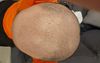
A user trying to avoid an expensive hair transplant, and the replies suggesting they wait two years on treatment before deciding if they need a transplant or not.
Treating the itch associated with male pattern baldness, which is believed to be caused by DHT. Potential treatments discussed include salt water, finasteride, ketoconazole, and RU58841.
A user named "EgyptStar81" who has been dealing with hair loss since age 15 due to genetics, chemotherapy and finasteride/minoxidil treatment. Possible solutions such as dutasteride, oral minoxidil, hair transplants and extensions were suggested.
Jordan-Iliad has been using a combination of finasteride, minoxidil, stemoxydine, microneedling, saw palmetto, peppermint and jojoba oils, ketoconazole shampoo, and Purador shampoo/conditioner for 3 months to treat their hair loss with stunning results. They have also recently started taking oral minoxidil 1.25mg/day in hopes of achieving even better results over the next 3 months.
So maybe vitamin D is important here
This conversation discussed the user's successful results from a combination of treatments, including finasteride, minoxidil, ketozolin shampoo, Vitamin D and biotin. The discussion also included advice about frequency and dosages for these treatments.
A 23 year old user's 6 month progress with treatments of 1mg finasteride daily, 5% minoxidil daily, keto shampoo and microneedling once weekly for hair loss. The conversation was encouraging with replies showing admiration for the user's rapid regrowth.
Microneedling aftercare involves using saline water instead of sea water, and avoiding hyaluronic acid due to its potential pro-inflammatory effects. Users suggest using jojoba oil as a carrier for essential oils like rosemary and lavender, and combining microneedling with minoxidil for better hair regrowth results.
Naepo's 5-month progress report detailing their journey of treating male pattern baldness with dutasteride and oral minoxidil, which has already resulted in an encouraging improvement in hair density. Others have responded with appreciation for the thorough report and asked further questions about Naepo's educational background.
Male Pattern Baldness, and identifying early signs of it. The treatments discussed to combat and slow balding include finasteride, dutasteride and minoxidil.
Hair loss treatments discussed include minoxidil, finasteride, and RU58841. Salon products and supplements generally don't work for hair regrowth unless there's a severe nutritional deficiency, while hormonal treatments like estrogen and spironolactone can be effective.
Hair regrowth treatments for cis-males include Minoxidil, Finasteride, and RU58841. Estrogen and testosterone blockers can help restore hair loss but may not suit everyone.
The conversation humorously outlines the progression of hair loss and the increasing desperation for treatments, starting with vitamins and dermapen, moving to finasteride, then to dutasteride and experimental chemicals, and finally to acceptance with shaving or hoping for hair cloning. Some users agree with the accuracy, while others question if it's a joke.
The user has been on finasteride for 4.5 years and minoxidil for 10 years, maintaining hair but not regrowing much on the crown and temples. They are considering using a dermastamp more frequently and possibly trying RU58841, but are hesitant about dutasteride due to concerns about side effects and DHT suppression.
A user shared their positive experience with finasteride over 1.5 years, noting significant hair regrowth and no side effects. They also mentioned unsuccessful attempts with minoxidil and are considering a hair transplant to improve their hairline.
The user experiences an itchy scalp despite using finasteride and ketoconazole shampoo for hair loss. Suggestions include trying different shampoos, switching to dutasteride, and using topical treatments for inflammation.
The conversation discusses switching from topical to oral Minoxidil for hair loss treatment, with the expectation of better results due to systemic delivery. The user has been using Finasteride, topical Minoxidil, and dermastamping, maintaining hair but seeking more regrowth.
A 28-year-old male, who has been using minoxidil for 7 years, is concerned about hair miniaturization and is considering adding pyrilutamide, alfatradiol, and nizoral to his regimen after experiencing side effects from finasteride. Despite concerns, others reassure him that his hairline appears normal for his age, and he is likely around a Norwood 1.5.
Hair loss treatments that avoid significantly lowering systemic DHT levels, focusing on topical options like dutasteride mesotherapy, minoxidil, and ketoconazole. The user is exploring alternatives like KX-826 and RU58841 due to concerns about hormone levels.
Using ketoconazole shampoo daily can dry out hair, and most users recommend using it 1-2 times a week with conditioner. Some users combine it with minoxidil and finasteride for better hair growth results.
A 23-year-old has been using 0.5mg Dutasteride and 5mg oral Minoxidil daily for two years, but their hair has thinned considerably. Suggestions include increasing the Dutasteride dose, adding Finasteride, or considering a hair transplant.
The conversation discusses treatments for androgenetic alopecia, focusing on evidence-based supplements to complement finasteride. Suggestions include oral minoxidil, saw palmetto, pumpkin seed oil, tocotrienols, and various other supplements, while emphasizing the importance of scientific backing and cautioning against saw palmetto if already using finasteride.
A 37-year-old man is seeking advice for hair loss treatment, considering options like finasteride and topical or oral minoxidil. A user suggests consulting a doctor and monitoring blood pressure if using oral minoxidil.
Ketoconazole 2% shampoo effectively regrew hair by treating scalp dermatitis and inflammation. The user also used jojoba and oat oil, Aveeno moisturizer, and hyaluronic acid for scalp care.
The user experienced significant hair regrowth and reduced shedding after two years of using finasteride, minoxidil, and a laser helmet, along with maintaining scalp health with specific shampoos. Consistency and patience were key to their success, despite initial heavy shedding.
The user is using finasteride 1mg every other day and seeks a topical solution excluding minoxidil. They are considering various combinations of ingredients like finasteride, dutasteride, and tofacitinib, with options for nourishing oils and other additives.
The user is using finasteride 1mg every other day and seeks a topical solution to complement it, excluding minoxidil. They are considering various combinations of ingredients like finasteride, dutasteride, and tofacitinib, with options for nourishing oils and other additives.
Significant hair growth was achieved using Minoxidil 5% and dermarolling twice a week, with suggestions to add finasteride for maintenance. There is debate on when to apply Minoxidil after dermarolling to avoid irritation.
Microneedling with topical minoxidil is effective for hair regrowth, especially with finasteride. Users report fewer side effects compared to oral minoxidil.
A person is struggling with hair loss despite using finasteride and minoxidil, considering dutasteride and magnesium supplements. They are advised to be patient, consider a hair transplant, and check for thyroid issues.
A user successfully regrew hair using finasteride, minoxidil, ketoconazole shampoo, biotin supplements, and rosemary mint oil, despite initial side effects. They highlighted the need for commitment, a healthy lifestyle, and being a "hyper responder" to treatments.