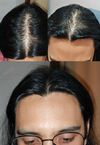
User shared results of using minoxidil and dermaneedling for hairloss over 2.5 months, noting improvements, especially around the left temple. No finasteride or other anti-androgens were used.
User asks if stacking Alfatradiol and Fluridil is effective for hairloss. Alfatradiol is a weaker, topical 5ar inhibitor, while Fluridil is an anti-androgen preventing DHT binding to hair follicles.
Minoxidil alone can work for some people, but it may not address DHT-related hairloss. Adding a derma roller and using ketoconazole shampoo might improve results.
Diet and lifestyle changes can reduce hair shedding but won't regrow hair lost to genetic male pattern baldness. Treatments like finasteride and dutasteride are necessary for significant hair regrowth.
Low testosterone and estradiol may contribute to hairloss, and blocking DHT without sufficient hormone levels might hinder regrowth. The discussion highlights the importance of hormone balance, with some considering supplements and lifestyle changes to support hair health.
Minoxidil alone is often insufficient for treating hairloss because it doesn't address the DHT-related cause. Combining it with finasteride, a DHT blocker, is generally more effective.
There have been no new effective hairloss treatments since finasteride, despite technological advancements. Current treatments include finasteride, minoxidil, and RU58841, with ongoing challenges and potential future solutions in research.
Many celebrities and athletes likely use hairloss treatments like Minoxidil and Finasteride. Despite their effectiveness, only a small percentage of the general population uses these treatments.
A 19-year-old paused weightlifting due to hairloss concerns, using finasteride to improve hair condition. Others advised continuing gym workouts while using finasteride, as it doesn't harm hair, and emphasized focusing on fitness and confidence.
A user shared their frustration about their cousin's refusal to take their advice on using finasteride for aggressive hairloss, despite the cousin's desperation and current use of minoxidil and consideration of PRP injections. The user, who has done extensive research, suggested the cousin needs a 5ar inhibitor, but the cousin dismisses the advice because the user isn't a doctor.
The conversation is about the effects of steroids on hairloss. Some users believe that steroids can cause hairloss, while others argue that it depends on individual sensitivity to DHT. There is also discussion about the appearance of balding individuals who use steroids.
Someone who is starting to experience hairloss and is considering multiple treatments, such as minoxidil, finasteride, dutasteride, and a hair transplant, to manage it. Replies provide advice on how to approach these treatments safely and effectively.
The conversation discusses making a topical melatonin solution for hairloss treatment, questioning if isopropyl alcohol can dissolve melatonin. Melatonin is soluble in lipids and alcohol, but it's unstable and should be mixed fresh regularly; it may help hair growth by affecting certain cellular signaling pathways and has anti-androgenic effects.
A user's decision to shave their head after experiencing hairloss since the age of 17, and discussion around the potential use of Fin for treating hairloss.
The post and conversation are about hairloss treatments that have been found to be effective in studies. There are 19 different treatments mentioned, including oral minoxidil, oral dutasteride, topical finasteride, RU58841, and more. The best treatment for an individual depends on factors like availability, cost, side effects, and personal preferences.
A compounding pharmacist offers affordable topical finasteride foam with Anagain and micro-dose finasteride capsules for hairloss. They provide telehealth services across Canada and private appointments for international patients.
A user shared their experience with microneedling and minoxidil for hairloss, avoiding finasteride due to concerns about systemic hormone effects. They reported slight hair regrowth after one month and plan to continue the regimen, noting improvements in skin sensitivity and managing dandruff with anti-dandruff shampoo.
The conversation discusses using finasteride for hairloss, with iron supplements helping to slow shedding. The user emphasizes that shedding doesn't necessarily mean permanent hairloss.
The conversation discusses using Vitamin E, Minoxidil, finasteride, and RU58841 for hairloss treatment. The link provided offers more information on the benefits of Vitamin E for hairloss.
The user experienced severe dandruff and hairloss, trying various treatments including oils, vitamins, and minoxidil. They found success by simply dampening their scalp with water twice a day, which improved their hair's appearance and eliminated psoriasis.
Ketoconazole 2% shampoo stopped a user's severe hair shedding after just two uses, a result not achieved by finasteride or oral minoxidil. Some users suggest the shampoo's anti-androgenic properties may help with hairloss, while others think the shedding might have stopped naturally or due to the end of a shedding phase.
Prolactin and cortisol are identified as key factors in hairloss, with stress hormones impacting hair shedding. Finasteride and minoxidil are effective treatments, while DHT's role and individual sensitivity are significant factors.
GT20029 is discussed as a potential treatment for androgenetic hairloss by targeting androgen receptors, unlike finasteride which reduces DHT broadly. Concerns include its effectiveness, genetic variations in androgen receptors, and availability, with some skepticism about its potential as a true alternative.
A 23-year-old trans male is concerned about hairloss and is considering treatments like topical and oral minoxidil and finasteride. They are worried about the effects on their pet and hormone balance and are seeking affordable options within their existing medical team.
A 30-year-old woman with androgenetic alopecia is considering bicalutamide to slow hairloss but is concerned about its impact on muscle growth due to its anti-androgen effects. Alternatives suggested include dutasteride, spironolactone, RU58841, and minoxidil, with concerns about bicalutamide's side effects.
A 21-year-old is using Dualgen-5R (minoxidil and tretinoin) and weekly dermarolling to address hairloss, noticing some progress after three months. They plan to add an anti-androgen like RU58841 or Kx826 for better long-term results.
A 19-year-old is concerned about going bald and disagrees with their parents who suggest therapy, believing hairloss will negatively impact their life. Some suggest therapy can help with the emotional aspects, while others support using finasteride and focusing on what makes the individual happy.
The user is considering adding an anti-androgen, RU58841, to their current hairloss treatment routine due to receding hair. They are also contemplating waiting for Breezula or Pyrilutamide to become more affordable.