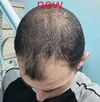
User seeks treatment to increase minoxidil efficacy. Suggestions include microneedling, oral minoxidil, and Tretinoin, with mixed experiences and side effects.
Exploring hair loss treatments beyond DHT, including Minoxidil, pyruvate, Gt20029 targeting androgen receptors, and vasodilators. Other options like Kx826, adenosine signaling, growth factor topicals, and microneedling are also discussed.
A 20-year-old has been using oral dutasteride for 6 months, topical minoxidil for a year, ketoconazole shampoo for a year, and dermarolling every 2 weeks for a year to treat hair loss. They are questioning the effectiveness and value of these treatments and seeking advice on whether to continue.
A 19-year-old female with Diffuse Alopecia was advised by a dermatologist to use vitamin supplements, a hair serum, and antifungal drops, leading to some improvement. Other users suggested treatments like minoxidil, microneedling, and consulting a different dermatologist for further advice.
Minoxidil can be effectively delivered through nanoemulsions containing eucalyptol or oleic acid, enhancing its diffusivity and targeting hair follicles. This contradicts the advice against mixing minoxidil with oils in topical formulations.
Formula 82M, a minoxidil and retinol liquid, improved hair texture and filled in temples with baby hairs for the user, but its high cost and lack of reviews cause concern. Another user mentioned using a similar product, 82F, which has become less effective and expensive over time.
Finasteride and minoxidil significantly improved the user's hair and acne, boosting their confidence and helping them regain self-esteem. Dermarolling also contributed to hair regrowth, and the user continues to see improvements at 27 years old.
Mixing minoxidil and alfatradiol in one bottle may affect their effectiveness due to potential stability issues. It's recommended to apply them separately for full benefits.
The conversation discusses hair regrowth treatments, specifically using a combination of oral and topical minoxidil, oral and topical dutasteride, and PRP. There is skepticism about the authenticity of the results, with some users questioning the changes in hair and skin appearance.
The user uses finasteride, minoxidil, and ketoconazole for hair loss. They are concerned if applying moisturizer before minoxidil affects its absorption or efficacy.
The conversation is about creating homemade topical melatonin for hair loss, with one person suggesting adding melatonin to stemoxydine as a potential treatment.
Derma rollers may cause scarring alopecia, leading some to prefer dermastamps or dermapens for microneedling. Combining minoxidil with microneedling is effective, but proper technique and healing time are essential to prevent damage.
Hair follicles can be dormant and potentially revived with treatments like finasteride and minoxidil, but irreversible loss occurs if certain structures are destroyed. Early intervention is more effective, and additional methods like microneedling may help.
The conversation is about creating a custom hair loss treatment by mixing Kirkland Minoxidil with latanoprost, sandalore, valproic acid, and RU58841. The user is seeking suggestions or advice on this mixture.
Whether using both Fluridil and Alfatradiol together could be more effective than either one alone as a hair loss treatment, given their different mechanisms of action.
Microneedling aftercare involves using saline water instead of sea water, and avoiding hyaluronic acid due to its potential pro-inflammatory effects. Users suggest using jojoba oil as a carrier for essential oils like rosemary and lavender, and combining microneedling with minoxidil for better hair regrowth results.
Natural remedies like rosemary oil, coconut oil, and onion juice are generally seen as less effective compared to medical treatments like finasteride, minoxidil, and microneedling. Some users believe natural oils can help, but modern medicine is often more reliable.
User started DUT 3 times a week, topical minoxidil/tretinoin at night, and topical stemoxydine/alfatradiol mix with tretinoin in the morning for hair loss. They experienced significant progress and no side effects, crediting a YouTuber for encouragement.
A 17-year-old shares their hair loss treatment, using oral finasteride, dutasteride, stemoxydine, alfatradiol, and a placebo product, but cannot use minoxidil due to an allergic reaction. Others discuss similar treatments and question the use of dutasteride at a young age.
Microneedling, especially when combined with minoxidil, is generally considered effective for hair regrowth, though results vary by individual. Some users report enhanced results, while others caution about potential scarring and recommend professional guidance.
The conversation is about finding a solution for scalp inflammation related to AGA, with the user expressing frustration that Minoxidil and Finasteride do not address inflammation. The user has researched glucocorticoids and topical NSAIDs for reducing inflammation and seeks advice from specialists.
Using a routine of 5% minoxidil, microneedling, and tretinoin for hair loss. The user seeks advice on the ideal weekly schedule for applying these treatments.
Treatments for androgenic hair loss, including the use of finasteride, minoxidil, nizroal and microneedling/dermarolling. Side effects are discussed and it is noted that while there are tradeoffs to taking medications, they are generally safe and effective.
Hair loss treatments discussed include Minoxidil, Finasteride, RU58841, Alfatradiol, and Eucapil. Topical treatments must penetrate skin and may go systemic, with effectiveness varying.
The conversation is about a user who has been bald for 15 years and is trying to regrow hair using a dermaroller, minoxidil, nourishing serums, biotin supplements, and mesotherapy. Other users suggest using finasteride or dutasteride for better results.
The user experiences side effects from minoxidil and is considering alternatives like stemoxydine and adenosine for hair regrowth and density, but finds options like caffeine and various oils unreliable. They are also using a 5AR inhibitor (finasteride).
The user shared their 3-month progress using Minoxidil, Finasteride, rosemary oil, and dermarolling, reporting no side effects and healthier, thicker hair. They recommend these treatments and plan to complete their hairline in 6-9 months.
Caffeine ointment was mentioned as being as effective as Minoxidil for hair loss treatment without the side effects. Caffeine is also found in some shampoos.