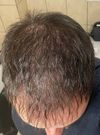
Topical Vitamin D3 may stimulate hair growth and has been used for Alopecia Areata. There is a question about the lack of research on its use for Androgenetic Alopecia (AGA).
The conversation discusses the mechanism of action of alfatradiol (17 alpha estradiol) in treating hair loss. It explores theories that it either inhibits 5 alpha reductase to prevent T->DHT conversion or aromatizes scalp T into 17-alpha-estradiol to save hair.
A user is seeking experiences with adenosine for hair loss, asking about its effectiveness, usage duration, and combination with treatments like minoxidil, finasteride, or RU58841. Another user mentions difficulty sourcing adenosine and comments on the mixed quality of research.
A user is experiencing worsening hair loss despite using finasteride, PRP treatments, and supplements like vitamin D, biotin, zinc, and iron. They are seeking advice on whether to continue with finasteride, increase the dosage, or try additional PRP sessions.
A 25-year-old is experiencing chronic telogen effluvium (TE) and androgenetic alopecia (AGA) after surgery, using finasteride, red light therapy, and supplements, and considering oral minoxidil despite heart concerns. They are unsure whether to start minoxidil before or after an upcoming surgery, which may trigger another hair shed.
The user is discussing their hair loss treatment stack, which includes CB-03-01, Fluridil, Alfatradiol, Cosmerna, microneedling, and Stemoxydine. They have seen some new hair growth but wish they could use finasteride.
A 24-year-old with hair thinning is using a regimen including dutasteride, RU58841, HGH, GHK-cu, and other compounds to protect and regrow hair. They are also incorporating a mild cutting cycle with testosterone propionate, anavar, and tirzepatide.
The conversation discusses using microneedling combined with castor, peppermint, rosemary oils, and caffeine as a treatment for mild hair loss, aiming to stop or slow down hair loss and potentially regrow hair. The effectiveness of this treatment without side effects is uncertain, and it may slow hair loss but results vary.
User quit minoxidil and finasteride, starting stemoxydine, dermastamp, and dermapen for hair loss. Seeks advice on alternatives, avoiding androgen disruptors and vasodilators/vasoconstrictors.
People with diffuse thinning and retrograde hair loss are discussing treatments like finasteride, minoxidil, and dutasteride, with some reporting improvements and others experiencing issues like scalp inflammation and increased sebum. Suggestions include addressing scalp inflammation, considering gut health, and possibly using topical antiandrogens or micro-needling.
The user is exploring alternatives to finasteride and dutasteride due to concerns about side effects, and is using rosemary and jojoba oil, ketoconazole, minoxidil, microneedling, multi-peptide serum, saw palmetto, and stinging nettle for hair loss. They are also considering CB 03 01 and spironolactone.
The user is experiencing significant hair thinning on the front scalp while taking oral finasteride and minoxidil. They are unsure if it's androgenetic alopecia or related to seborrheic dermatitis.
The user is experiencing severe hair thinning and is using multiple treatments including topical finasteride, minoxidil, tretinoin, latanoprost, oral minoxidil, dutasteride, saw palmetto, and derma wounding. They are considering adding RU58841 and are contemplating a hair transplant and exosomes due to frustration with current results.
Finasteride and Dutasteride used in combination with RU58841 and microneedling, as a treatment for hair loss. There was discussion on progress of the treatment and potential other methods to consider.
The user discusses using Minoxidil for hair loss and is considering RU58841 to reduce excessive oil production. They seek advice on RU58841's effectiveness in blocking sebum production.
The potential of verteporfin to heal wounds without scarring; however, despite its promising preclinical trials and coverage from a major media outlet, there is still no official clinical trial result and the drug has only garnered attention from hair loss communities.
The conversation discusses skepticism and diminishing excitement around the hair loss treatment PP405 due to unclear trial results. It also mentions other treatments like finasteride, minoxidil, VDPHL01 (extended-release minoxidil), and GT20026 as potential options for hair loss management.
Minoxidil increases blood supply to the scalp, strengthening dormant follicles and extending the growth phase, but may increase scalp activity that can be countered with DHT blockers. Women experiencing side effects from finasteride or dutasteride for hair loss might consider alternatives like estrogen, especially if on birth control.
The conversation discusses an extensive hair loss treatment regimen including dutasteride, GT20029, RU58841, pyrilutamide, minoxidil, microneedling, ketoconazole shampoo, and experimental compounds. The user humorously describes their approach as a comprehensive strategy to combat hair loss while maintaining hair growth.
Hair loss treatments, specifically the use of Alfatradiol as an over-the-counter topical 5AR inhibitor that has been shown to be effective in stopping hair loss without side effects. Other treatments discussed include Minoxidil, finasteride and RU58841.
Concerns about the long-term safety of VDPHL01, an extended-release minoxidil, due to potential risks similar to Cantu syndrome, were raised, highlighting the lack of monitoring for chronic connective tissue changes. The conversation suggests that while the treatment may improve hair growth, it could lead to issues not detected in short-term trials.
The user has been using oral finasteride and topical minoxidil for over three years without regrowth, despite reduced hair loss. They are hesitant to try oral minoxidil and dutasteride due to potential side effects and cost, and have not found success with tretinoin or microneedling.
A 27-year-old male is experiencing a recurring pattern of hair loss after 5 months of using oral minoxidil and finasteride, despite initial success. He is considering using topical androgen receptor blockers like RU58841, pyrilutamide, or clascoterone to address potential androgen receptor hypersensitivity.
Microneedling before applying topical finasteride or dutasteride may enhance their effectiveness by increasing local absorption in the scalp, despite concerns about systemic absorption. Users discuss combining this method with oral treatments and minoxidil, noting potential benefits and side effects.
The user improved their hair loss from a Norwood scale 2.5/3 to 1.5/2 using treatments including 2.5 mg dutasteride, RU58841, 15 mg oral minoxidil, isoflavones, NAC, pumpkin seed oil, NAD+, and Vipelin, but still experiences temple recession. Other users expressed concern over the high dosages of oral minoxidil and dutasteride.
Hair loss treatments discussed include Minoxidil, Finasteride, RU58841, Alfatradiol, and Eucapil. Topical treatments must penetrate skin and may go systemic, with effectiveness varying.
The conversation discusses using scalp antiandrogens like RU58841, pyrilutamide, or fluridil on the face to reduce sebum production, noting that clascoterone (winlevi) is an approved facial antiandrogen with underwhelming reviews.
The conversation discusses hair loss treatments, including the use of 2.5mg Dutasteride, 1mg Finasteride, and Minoxidil 5%, with concerns about side effects like water retention and facial changes. The user is considering alternative Minoxidil applications, such as microneedling and sublingual Minoxidil, to minimize side effects.