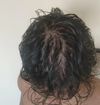
Finasteride and dutasteride are discussed as preventative treatments for hair loss, with some advocating for early use and others concerned about side effects, especially before full maturity. Many regret not starting these treatments earlier due to their effectiveness in preventing or slowing hair loss.
The user has been using finasteride for 9 months, which initially stopped hair loss, but recently hair loss has resumed. They are considering switching to dutasteride.
Start finasteride and minoxidil early to prevent significant hair loss and maintain styling options. Finasteride can reduce acne and improve skin appearance.
RU58841 lacks FDA approval due to financial and safety concerns, including potential cardiological side effects. The company abandoned further research, and users report adverse effects like heart palpitations and gynecomastia.
Pyrilutamide is believed to be more effective than RU58841 and 1 mg finasteride in treating hair loss, with no systemic hormonal effects and the potential to block more than 31% of scalp DHT. It may also antagonize scalp testosterone due to its action as an androgen receptor antagonist.
A 24-year-old experiencing severe hair thinning has been using minoxidil for 2 years but is still shedding hair. A doctor recommended plasma treatment over a DHT blocker for better and healthier results.
The user has been taking finasteride for over a year and is asking if Taurine 1000 mg and I-lysine can be taken with it. They also want to know which medicines or supplements to avoid while on finasteride.
A 28-year-old male noticed hair thinning and is considering treatments like minoxidil and finasteride but is concerned about finasteride's potential effects on epilepsy. He has tried microneedling, tretinoin, and minoxidil with slight improvement.
Herbal treatments like pumpkin seed oil, saw palmetto, and rosemary oil showed little to no effectiveness for hair loss, with some users experiencing negative effects. Regular treatments like finasteride and minoxidil are suggested to be more effective, while vigorous scalp massage and low-level laser therapy (LLLT) might offer some benefits.
A doctor advised a 20-year-old to use minoxidil and vitamins for hair loss, avoiding finasteride due to potential permanent side effects. The doctor claimed minoxidil can protect against DHT effects similar to finasteride.
A 22-year-old male with hair loss is considering treatments like finasteride, minoxidil, and derma rolling after being diagnosed with MPB, vitamin D deficiency, and dandruff. He seeks advice on whether these treatments can realistically improve his hair density and achieve a healthier NW2.
Finasteride and Dutasteride are used to block DHT and treat hair loss, but some people don't respond to these treatments. Alternatives include increasing Dutasteride dosage, adding topical finasteride, or exploring other treatments like RU58841, though results vary.
The conversation discusses the potential for developing a biologic "DHT sponge" to neutralize DHT in the bloodstream as a treatment for hair loss, suggesting it could be more targeted and have fewer side effects than current treatments like finasteride and dutasteride. Concerns include the complexity, cost, and potential side effects of such a treatment, as well as skepticism about its feasibility and market interest.
The conversation discusses hair loss treatments, specifically using finasteride, minoxidil, and vitamin B5. Users share experiences and joke about the names of the medications.
The user, who experienced hair loss at the temples due to psoriasis at 17, is now 21 and considering treatment options. They are inquiring about using minoxidil once a day, whether non-AGA hair loss will persist after stopping minoxidil, and if alternative remedies like Detumescence therapy, rosemary and peppermint oils, and microneedling could be sufficient.
The user is using topical finasteride, minoxidil, nizoral shampoo, and microneedling for hair regrowth but hasn't seen results after 2-3 weeks. They added tretinoin to their routine and are advised to wait a few months for potential changes.
The conversation discusses using scalp antiandrogens like RU58841, pyrilutamide, or fluridil on the face to reduce sebum production, noting that clascoterone (winlevi) is an approved facial antiandrogen with underwhelming reviews.
The conversation discusses various hair loss treatments, including Minoxidil, finasteride, tretinoin, latanoprost, and GHK-Cu, with skepticism about expensive branded products like Zeus. Users suggest that similar results can be achieved with cheaper alternatives.
Avixis Alfatradiol is a topical 5-alpha reductase inhibitor available in Latin America and Germany, but its effectiveness is questioned. A user reported worsened hair loss after using it and recommended finasteride instead due to its proven effectiveness and lower cost.
The conversation discusses hair loss treatments, specifically the use of anti-androgens like RU58841 and Pyrilutamide, which are expensive in India. Alternatives like spironolactone and concerns about the effectiveness of finasteride and dutasteride are also mentioned.
Use finasteride, minoxidil, and dutasteride for hair loss, with micro-needling as an additional option. Consider a hair transplant if unsatisfied, and avoid unproven treatments like RU58841.
User experienced hair growth with finasteride and minoxidil, but after using tretinoin, faced aggressive thinning and hair loss. They plan to stop tretinoin for two months to see if the problem improves.
The conversation discusses sourcing topical dutasteride for hair loss treatment, with mentions of Dr. Mwamba's products and Farmacia Prati as potential suppliers. Additional treatments like topical tocotrienols and botox are suggested as extensions to the regimen.
Several new hair loss treatments are in development, with Cosmo Breezula and Kintor KX826 being the furthest along, expected to be commercialized by 2027. Veradermics is the only treatment in pill form, while others like KX/GT/Breezula will be topical.