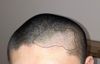
Shedding may indicate potential regrowth when using KX-826, similar to Minoxidil and finasteride. Users report improved hair quality and minor side effects like slight headaches.
A user's experience with Pyrilutamide, which they have been taking for 3 months to treat their aggressive male pattern baldness. The user reported that the medication decreased shedding and was hopeful it would work as advertised.
Treating androgenic alopecia with minoxidil, finasteride, and antiandrogens, alongside exercise, cryotherapy, and natural substances to stimulate cold receptors for better hair growth. The method focuses on enhancing treatment effectiveness by considering environmental and behavioral factors and the role of cold receptors and muscle stress.
The user is experiencing severe hair thinning and is using multiple treatments including topical finasteride, minoxidil, tretinoin, latanoprost, oral minoxidil, dutasteride, saw palmetto, and derma wounding. They are considering adding RU58841 and are contemplating a hair transplant and exosomes due to frustration with current results.
The conversation discusses using minoxidil, finasteride, spironolactone, and RU58841 for hair loss treatment. Users share experiences with these treatments, noting side effects and varying effectiveness.
The user is experiencing diffuse thinning and has tried treatments like topical and oral finasteride, oral dutasteride, topical minoxidil, microneedling, melatonin, and caffeine without success. Despite using these treatments for over four years, the user reports continued hair thinning and is considering trying RU58841.
The conversation is about a female seeking advice on using bicalutamide for female pattern hair loss (FPHL) and considering switching from pumpkin seed oil pills to a stronger treatment. She is looking for dosage information to discuss with her dermatologist.
Latanoprost is discussed as a potential hair loss treatment, noted for its synergy with minoxidil and 5-AR inhibitors, but concerns include its effectiveness on scalp hair, cost, and potential skin darkening. Some users express interest in trying latanoprost or bimatoprost despite limited real-world evidence.
A 25-year-old is experiencing hair thinning despite using oral minoxidil, finasteride, and dutasteride, and is considering adding topical minoxidil. They also have seborrheic dermatitis and are advised to try ketoconazole shampoo or cream and possibly CBD with MCT oil.
User gained hair with topical minoxidil and finasteride, then experienced shedding after starting pyrilutamide. After 12 weeks, new hairs grew and existing hairs thickened, hoping for more improvement in a year.
A user is starting a hair loss treatment with a 3-in-1 spray containing finasteride, minoxidil, and tretinoin. They are concerned about whether to continue shaving their head and how to determine if hair follicles are dead.
The user is using minoxidil, finasteride, dermarolling, and other treatments for hair regrowth, showing promising results in the temple area. Despite some skepticism, there is optimism about potential improvement.
The DNA Trichotest is considered unreliable for predicting hair loss treatment responses, and topical spironolactone is questioned for its effectiveness and safety in cis males. Finasteride and Dutasteride are recommended as more reliable treatments for androgenic alopecia.
A user is seeking advice on the efficacy and side effects of homemade topical solutions for hair loss, specifically bicalutamide, estradiol, cyproterone acetate, and spironolactone, as they cannot access RU58841 or pyrilutamide.
RU58841 users report mixed results, with some experiencing no benefits and others noting regrowth but potential side effects. Many prefer finasteride and minoxidil due to better-studied safety profiles.
A 21-year-old experiencing significant hair loss despite using dutasteride, oral minoxidil, ketoconazole shampoo, and low-level laser therapy seeks advice. Suggestions include adding microneedling, checking for vitamin deficiencies or thyroid issues, and considering a scalp biopsy for other conditions.
A user's 12 month progress on finasteride and 10 months of microneedling for hair loss treatment, which has resulted in improved temple areas with no side effects from the finasteride. They have not used minoxidil yet but are considering it for further gains. DHT blocking drugs such as finasteride and dutasteride are recommended to maintain regrowth results.
After 8 months of using topical finasteride, hair miniaturization continues, raising concerns about its effectiveness. Microneedling is suggested as a possible complementary treatment.
Dutasteride may not be effective for everyone due to underlying issues, suggesting scalp biopsies for further diagnosis. Users discuss using higher doses of dutasteride, topical treatments, minoxidil, and pyrilutamide for hair loss management.
A 25-year-old experiencing hair thinning all over the body and head, despite using minoxidil and having low vitamin D levels, is advised to seek a second opinion from a dermatologist specializing in hair loss. The likely diagnosis is diffuse alopecia areata, which may require treatment with a JAK inhibitor.
Nutrafol progress for 8 months is discussed, with skepticism about its effectiveness. Finasteride and Minoxidil are mentioned as alternative treatments.
MaximusDurkimus shares experience with 0.25mg Finasteride, Minoxidil-induced lupus, and less than 10mg RU58841 for hair loss. Plans to try 0.025% topical Finasteride with 5% Stemoxydine and possibly Tretinoin, Fluridil, or CB-03-01 in the future.
PP405 shows promise for hair regrowth, with new hairs observed in 66% of patients in just 27 days. The discussion also mentions Minoxidil, finasteride, and RU58841 as potential treatments.
A 24-year-old woman being diagnosed with androgenic alopecia (AGA) who is scared and confused about her hair loss, and the treatment options of Minoxidil, finasteride, RU58841, spironolactone, and possibly a biopsy.
User plans to switch from oral to .005% topical finasteride, using a solvent from minoxidilmax and later Essengen-F. They will monitor DHT levels and seek advice on solvents and sleep caps.
The user has tried RU58841, pyrilutamide, oral minoxidil combined with finasteride or dutasteride for hair loss. They are asking for new and exciting treatments.
The conversation is about a user preparing to join the ABS-201 clinical trial for hair loss treatment, which involves a prolactin inhibitor. The user plans to update others on their progress if enrolled.
Hair transplant recipients are concerned about whether dormant follicles are permanently damaged by incisions, but some believe undamaged follicles could still regrow if a treatment like PP405 is effective. Opinions vary on the impact of transplants on original follicles, with some suggesting treatments like finasteride can help regrow hair.
A user did not respond to finasteride, dutasteride, and oral minoxidil for hair loss after four years of treatment and is considering scalp micropigmentation (SMP). Other users suggest the hair loss pattern may indicate alopecia areata and recommend seeing a dermatologist.