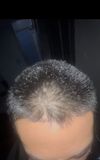
RU58841 is being considered for hair maintenance by someone who can't tolerate finasteride. Alternatives like topical finasteride, dutasteride, and KX826 are also suggested.
Rapamycin, finasteride, and minoxidil are discussed as a strategy for hair loss prevention and reversal. Pulsed dosing of rapamycin is suggested to avoid conflicting effects with minoxidil.
A user's eight-month progress in treating his hair loss using finasteride (1mg daily) and nizoral shampoo (2x a week), as well as microneedling every 10 days; other users have also reported success with finasteride, minoxidil, and microneedling.
User experienced good results with topical finasteride, noting reduced DHT and increased testosterone. They plan to revert to a lower dosage after observing slight libido reduction.
Ro mane spray, containing finasteride, minoxidil, and tretinoin, is discussed as a topical treatment for thinning hair. Users believe it should be effective due to its ingredients.
The user has been using Finasteride 1mg, 5% Minoxidil, Nizoral, and derma stamping for one month. Opinions on hair regrowth are mixed, with some seeing new growth and others attributing changes to longer hair.
The user is seeking alternatives to Minoxidil for hair growth, currently using 0.1% topical finasteride and 2% ketoconazole shampoo. Suggestions include microneedling, red light therapy, rosemary oil, and other topical treatments like cetirizine, Stemoxydine, and Latanoprost.
The user reports that using topical Dutasteride has stopped their hair loss, and they are curious about potential side effects and regrowth. They also mention having scalp psoriasis and past SSRI use affecting libido.
The user is dissatisfied with the results of using 0.3% finasteride and 6% minoxidil for hair thinning and is considering a topical treatment combining finasteride, dutasteride, minoxidil, melatonin, caffeine, and latanoprost. Another user suggests that high topical concentrations can lead to systemic exposure and recommends using oral dutasteride and microdosing topical finasteride.
Be skeptical of claims about new baldness cures; current treatments like finasteride, dutasteride, and minoxidil remain the best options. New products like Breezula and PP405 lack compelling evidence and may not be available soon.
OP shared 9-month hair regrowth progress using 1mg finasteride, 5% minoxidil, 2% ketoconazole, and a dermapen. Users discussed side effects, application methods, and additional treatment suggestions.
The user started balding at 16/17 and tried various treatments including minoxidil, finasteride, and dutasteride with little success. They recently started applying diclofenac gel to their bald areas and noticed some hair regrowth, attributing this to diclofenac's ability to lower prolactin levels and its anti-inflammatory effects.
A user shared their experience using 5% topical Minoxidil for 18 months and recently added 1 mg oral Finasteride daily, noting minimal results so far but expecting improvement. They mentioned challenges with application consistency and technique, and are hopeful for increased hair density.
An 18-year-old with diffuse hair thinning is considering switching from a topical Minoxidil 10% + Finasteride 0.1% solution to Minoxidil 5% foam and oral Finasteride 0.5mg, while also addressing vitamin D deficiency and potential scalp inflammation. Users suggest using Nizoral shampoo for inflammation, considering dutasteride for better results, and maintaining vitamin D levels to protect hair follicles from DHT.
The conversation is about creating a topical finasteride solution without minoxidil, using an alcohol-based base like ethanol. The discussion includes using finasteride in powder form and mentions adding ingredients like glycerol, salicylic acid, or castor oil.
Topical finasteride can be effective for some, especially if oral finasteride causes side effects, but results may vary and can be slower. Combining topical finasteride with minoxidil is common, though some users switch to oral treatments for better results.
The user experienced significant hair improvement using rosemary and peppermint oils, alongside minoxidil, after other treatments like finasteride and pyrilutamide showed no results. They noticed reduced hair shedding and thicker hair, particularly in the mid and crown areas.
Finasteride is a controversial hair loss treatment, with some users experiencing positive results and others facing side effects like erectile dysfunction. The discussion emphasizes the importance of personal choice and informed decision-making.
The user is considering switching from topical finasteride to RU58841 or KX826 due to side effects like low libido and ED. They are also using oral minoxidil and considering low-dose saw palmetto to maintain their hairline.
Improving hair health involves not only using treatments like finasteride, minoxidil, and ketoconazole but also focusing on a healthy lifestyle, including diet, exercise, and stress management. A balanced approach enhances treatment effectiveness and overall well-being.
A 19-year-old is experiencing worsening hair loss and severe seborrheic dermatitis despite using finasteride for six months. Nizoral (ketoconazole) is no longer effective, and they are seeking over-the-counter solutions and advice for an upcoming dermatologist visit.
This user experienced improvements in their hair density and texture through the use of finasteride (1.25mg) and minoxidil (5%) applied topically once a day over 8 months, with no reported side effects other than slightly lowered libido.
The conversation is about finding non-alcoholic minoxidil options in India due to irritation from propylene glycol-based formulations. Suggestions include Tugain 5% foam, Morr Max 5%, minoxidil gel, and Morr F Aqua plus, with OP avoiding finasteride due to side effects.
The conversation discusses a botanically derived treatment for androgenetic alopecia using ingredients like saw palmetto, green tea, and evening primrose, showing impressive results over 270 days. Concerns include the study's uncontrolled nature and potential product motivation, with suggestions to enhance absorption through derma rolling.
Concerns about the effectiveness of DHT inhibitors like finasteride and minoxidil due to potential polymorph issues. Experts suggest these concerns are largely unfounded, especially compared to rare cases like ritonavir.
The user is experiencing hair thinning and bald spots, using Nizoral, rosemary oil, fluocinolone, and receiving PRP treatments. They are considering oral minoxidil and finasteride but are hesitant due to age and financial constraints.
Akinfenrawr experienced negative side effects from oral finasteride and RU58841, and is seeking alternative hair loss treatments. They discuss various options, including raloxifene, oral dutasteride, liposomal finasteride, Breezula, Pyrilutamide, SM04554, and sulforaphane, but have concerns about efficacy, availability, and cost.
A user shared their 10-month hair loss treatment progress using 1mg Fin, 2.5mg oral Min, Keto shampoo, dermastamping, and recently added Dut. Replies noted the user had great hair before and after treatment.
Significant hair regrowth was achieved using a topical combination of 0.3% finasteride and 6% minoxidil, with weekly dermastamping and ketoconazole shampoo, without side effects. Others suggested additional treatments like red light therapy and PRP.