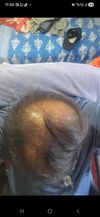
Users discuss using pyrilutamide for hair loss, seeking alternatives to 5AR inhibitors. They mention using minoxidil, ketoconazole shampoo, and RU58841.
A 25-year-old shared progress on hair growth using oral minoxidil 2.5mg, oral finasteride 1mg, and dermarolling over 3.5 months, noting improvements and encouraging others to persist with treatments. Other users discussed their experiences with similar treatments, including topical minoxidil, ketoconazole shampoo, and tretinoin cream, with varying results and side effects.
The conversation discusses a hair loss treatment routine using Minoxidil twice daily, Finasteride once daily, and ketoconazole shampoo twice a week. Users are supportive and curious about the start date of the routine.
A user is quitting ketoconazole shampoo, believing it worsened their hair condition, and plans to use clarifying, keratin, and pH balanced moisturizing shampoos instead. Another user suggests using conditioner after ketoconazole to prevent dryness.
The conversation criticizes the negative attitude towards those concerned about side effects from hair loss treatments like finasteride and minoxidil, or who prefer natural remedies. Specific treatments discussed include finasteride, minoxidil, rosemary oil, and RU58841, with an agreement that finasteride and minoxidil are proven effective.
The user shared progress on hair regrowth using 5% topical minoxidil, 2% keto shampoo, oral finasteride, and recently switched to daily dutasteride. They reported positive results without significant side effects and are hopeful for further improvement.
The user has been using topical Minoxidil (5%) and finasteride (0.1%) twice daily for 2 months, with occasional missed applications. They also use a zinc pyrithione shampoo every 2 days and do not dermaroll.
The conversation discusses using Minoxidil, finasteride, RU58841, and pyrilutamide for hair loss treatment. The user is considering adding a topical treatment and has not experienced side effects from current treatments.
User added RU and pyrilutamide for hair growth and noticed more baby hairs. Others suggest sticking with fin and min, while some discuss the user's self-image and hair loss severity.
Triple Hair Inc. developed a new topical treatment, TH07, combining Finasteride, Latanoprost, and Minoxidil for androgenic alopecia. Users discussed its effectiveness compared to other treatments and shared their own product combinations.
Minoxidil 5% combined with 0.01% tretinoin may be as effective as using minoxidil twice daily. Users discuss switching to oral minoxidil for consistency, with concerns about side effects.
The user has been using 1.25 mg finasteride, 10 mg oral minoxidil, ketoconazole shampoo, and occasional micro-needling for hair loss, noting some regrowth, especially at the temples. Another user expresses relief and encouragement from the post, as they are starting similar treatments.
The user experienced severe side effects from finasteride and is considering a combination therapy including Minoxidil, Tretinoin, microneedling, caffeine, and other ingredients. They are also thinking about adding red light therapy and microneedling once per week.
The user is experiencing hair loss after a hair transplant and is considering using fluridil (Eucapil) and possibly alfatradiol as treatments, as they couldn't tolerate finasteride or minoxidil. The manufacturer of Eucapil confirmed they won't produce higher concentrations due to lack of efficacy.
A user is considering switching from oral to topical treatments for hair loss due to side effects like watery semen and erectile dysfunction. They are currently using oral finasteride and minoxidil and are concerned about potential sexual side effects with topical use.
Ketoconazole shampoo is recommended at a 2% concentration for hair loss, with advice to leave it in the hair for 2-5 minutes. Users discuss different brands, noting that Nizoral contains artificial dyes, and suggest alternatives without dyes.
AH-001 is a new topical treatment designed to degrade androgen receptors, targeting the root cause of androgenetic alopecia without the side effects of oral treatments like finasteride. It has shown a strong safety profile and good local tolerability in early trials.
The user is considering using topical finasteride for hairline recession and thinning, despite having low DHT levels and previous side effects from oral finasteride. They are also taking 2.5 mg of oral minoxidil, which has not resulted in regrowth or stabilization.
Finasteride, minoxidil, dermarolling, and topical antiandrogens are effective for hair regrowth. Future treatments may include CB0301 and hair cloning.
The conversation discusses hair loss treatments, including minoxidil, finasteride, biotin, folic acid, zinc, micro-needling, niacin, and cipaxil, with the user preparing for a hair transplant. The user experiences side effects with topical finasteride and is hesitant to try oral dutasteride.
A user is considering using ketoconazole shampoo for hair loss and is seeking feedback on its effectiveness. They are asking for before and after photos or success stories.
The conversation discusses using Tretinoin for treating androgenic alopecia. Specific treatments mentioned include Minoxidil, Finasteride, and RU58841.
A 22-year-old male is concerned about hair loss and questions the effectiveness of prescribed "Merz special" and "Revalid" products, which lack finasteride or minoxidil. Users suggest seeking a different doctor for finasteride and minoxidil treatments.
The conversation discusses the use of topical finasteride for hair loss, with the user considering whether oral finasteride might be more effective in reducing DHT levels. Other users suggest alternatives like dutasteride, RU58841, saw palmetto, and a combination of Redensyl, Procapil, and Capixyl, while debating the effectiveness and side effects of these treatments.
A 40-year-old started using oral finasteride and topical minoxidil for hair loss, seeing improvements after 5 weeks. They plan to try a dermastamp for better results, as they experienced scalp irritation with dermarolling.
Ursolic acid, found in apple peels, lemongrass, rosemary, and lavender, may have anti-androgen effects similar to finasteride. It might be beneficial for hair health when used with other treatments like Minoxidil, Finasteride, and RU58841.
The user is experiencing hair thinning and bald spots, using Nizoral, rosemary oil, fluocinolone, and receiving PRP treatments. They are considering oral minoxidil and finasteride but are hesitant due to age and financial constraints.
The user experiences scalp itchiness despite using ketoconazole shampoo and is also taking oral finasteride and minoxidil. Suggestions include trying different shampoos like Head & Shoulders, using salicylic acid products, considering allergies, and consulting a dermatologist for alternatives like Ciclopirox.
The conversation discusses the use of topical minoxidil and finasteride for hair loss, with some users combining them with oral treatments. Users share their experiences and opinions on effectiveness, cost, and convenience, with mixed views on whether topical or oral applications are superior.
FCE 28260 (PNU 156765), an under-explored 5α-reductase inhibitor, showcases promising results in research by Giudici et al., outperforming well-known treatments like Finasteride in reducing the conversion of testosterone to DHT. Its superior efficacy, demonstrated through lower IC50 values in both natural and human recombinant enzyme studies, suggests it could offer more effective management of DHT-related conditions. Additionally, its lower molecular weight hints at better potential for topical application, potentially offering advantages in treating conditions such as androgenic alopecia. Despite its potential, it has not advanced in development, possibly due to financial limitations, leaving its therapeutic prospects and side effect profile largely unexplored.