Using 2% ketoconazole daily can dry out the scalp; 1-2 times a week is recommended. Combining ketoconazole with treatments like minoxidil, alfatradiol, and fluridil can help manage hair loss effectively.
People discussed solutions for scalp itching related to hair loss, with treatments including finasteride, dutasteride, ketoconazole shampoo, and Alpecin Hybrid shampoo. Some users found relief by adjusting dosages of finasteride or switching to dutasteride, while others recommended specific shampoos or prescription options like olux foam.
A dermatologist prescribed a topical hair loss treatment containing finasteride, biotin, melatonin, and caffeine without alcohol. The user is skeptical about its effectiveness.
The user shared progress pictures showing improved hair growth at the temples after 2.5 months using oral finasteride/dutasteride, ketoconazole shampoo, minoxidil, tretinoin, and dermarolling. The user reported no side effects from the medications and noted inconsistent microneedling.
The user is unsure if their hair thinning is due to fungal infection/inflammation or genetic factors and is hesitant to start Minoxidil, finasteride, and RU58841. They are currently using Ketoconazole 2% and triamcinolone acetonide and are concerned about potential side effects from other medications.
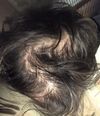
The user has been using a combination of 0.3% topical finasteride, minoxidil, ketoconazole, and microneedling once a week for two months with positive results and no side effects. They apply the treatment daily using a spray and have short hair, which makes application easier.
The user improved diffuse thinning without finasteride by using minoxidil foam, cold showers, gentle hair drying, 2% ketoconazole, sulfate-free tea tree oil shampoo, dermastamping, and supplements like Omega-3, Vitamin-D, Biotin, Keratin, Collagen, B3, Zinc, and Magnesium. The regimen was followed for about six months under dermatologist guidance.
Minoxidil and finasteride are being considered for hair loss due to seborrheic dermatitis and male pattern baldness. The user is also using ketoconazole and zinc pyrithione shampoo.
The user has chronic itchy scalp and dandruff, unresponsive to ketoconazole, selenium sulfide, zinc pyrithione, coal tar, and salicylic acid. Topical steroids were also ineffective for long-term use.
Inflammation on the scalp can hinder hair regrowth and the effectiveness of treatments. The user is using ketoconazole shampoo, Selsun Blue, finasteride, and oral minoxidil.
The user experiences an itchy scalp and finds relief using shampoo and Zyrtec, which helps with inflammation. They are unsure if the issue is related to histamines or seborrheic dermatitis.
The post discusses using a topical tincture containing zinc, azelaic acid, and other ingredients to inhibit 5 alpha-reductase activity for treating hair loss. The user plans to try this natural alternative before using finasteride or RU58841.
A user is seeking advice on using a DIY solution of topical finasteride (Fynzur 2.275mg/ml) mixed with minoxidil for hair loss. They are concerned about achieving full scalp coverage and prefer using a scalp applicator over a spray.
Hair loss treatments including Minoxidil, finasteride, and ketoconazole 2%. The user shared their progress pictures after using these treatments for one year.
OP has been using alfatradiol and a mix of rosemary, peppermint, and jojoba oils for hair loss, with inconsistent dermapen sessions. They plan to add topical finasteride at 0.025% later.
Fucoidan may help regrow hair and reduce inflammation in androgenetic alopecia. It is unclear if simply mixing fucoidan powder into a serum for application is effective.
The conversation discusses the effectiveness of combining Laminaria japonica and Cistanche tubulosa extracts for hair growth. It also mentions treatments like Minoxidil, finasteride, and RU58841.
The user is considering adding 2% ketoconazole to their current treatment of oral minoxidil and finasteride to address scalp itchiness and inflammation. Another user suggests controlling inflammation is important for managing hair loss.
Pirfenidone is suggested to treat fibrosis and baldness by blocking inflammation markers and reducing collagen. It is also available as a gel for scar removal.
Cetirizine 10mg daily reduced hair shedding by 50% and lessened scalp itchiness. The user is considering long-term use for scalp inflammation and hair loss.
Tea Tree Special shampoo and Purador are discussed as alternatives to Ketoconazole shampoo for hair loss. Other anti-dandruff shampoos mentioned include those with Zinc Pyrithione, Salicylic Acid, and Selenium Sulfide.
A 23-year-old user shared progress pictures after 5 months of using 1.25 mg finasteride, 2x daily topical minoxidil, weekly derma stamping, and occasional Nizoral and mixed topical for dandruff. They report reduced shedding and seek advice on when to confidently grow out their hair.
So maybe vitamin D is important here
This conversation discussed the user's successful results from a combination of treatments, including finasteride, minoxidil, ketozolin shampoo, Vitamin D and biotin. The discussion also included advice about frequency and dosages for these treatments.
The user experiences histamine intolerance with alcohol-based hair loss treatments like Rogaine foam and seeks alternatives. Suggestions include alcohol-free and PPG-free topical minoxidil or finasteride, and trying Spectral products with different solvents.
User on finasteride for a decade and oral minoxidil for a month asks about Nizoral shampoo's effectiveness and usage. Dermatologist suggests it may help with seborrheic dermatitis and hair loss, but not necessary; others share mixed opinions.
A 20-year-old male using Minoxidil and finasteride for 6 months and keto shampoo for 5 months saw initial improvement in dandruff, but the condition returned. He recently started using 3% salicylic acid shampoo and seeks advice for persistent dandruff, which is oily and localized to the left side of his scalp.
The conversation discusses using cetirizine (Zyrtec) topically to relieve scalp itch associated with hair loss and suggests it may also benefit androgenetic alopecia (AGA). One person found relief from scalp itch after three months on finasteride, noting the itch was linked to areas where hair was lost.
The conversation discusses hair regrowth using finasteride, minoxidil pills, micro-needling, and Nizoral (ketoconazole) shampoo. Users suggest giving treatments at least a year to show results, with some recommending stronger treatments like dutasteride or a hair transplant.