A user applied a homemade topical finasteride solution daily for 35 days, reducing hair shedding significantly with minimal side effects. They plan to continue for 90 days and will provide further updates.
The user has been using 1mg finasteride daily, 5% minoxidil twice daily, 1.25mm derma-stamping fortnightly, and 2% nizoral shampoo twice a week for two years, seeing significant hair regrowth despite periodic shedding. They plan to consider a hair transplant in the future to address stubborn areas.
The user experienced hair regrowth over three months using oral finasteride daily, topical minoxidil 5-6 times a week, a weekly derma stamp, and tretinoin 2-3 times a week. The regrowth includes small hairs, attributed to the treatments.
A 23-year-old experiencing diffuse hair thinning has chosen a treatment stack including topical finasteride, a blend of rosemary, peppermint, and pumpkin seed oils, procyanidine B2 spray, ketoconazole shampoo, and scalp massages. They avoid minoxidil due to family history of side effects and oral finasteride due to high estrogen levels.
A user received a prescription for a topical solution with Minoxidil 7%, Finasteride 2%, and Tretinoin 0.01%, to be used twice daily for three months. They are concerned about the safety of these dosages compared to commonly recommended lower dosages.
A user is considering a 3-in-1 capsule containing Finasteride, Minoxidil, and Biotin for hair loss. Concerns are raised about Biotin's impact on the effectiveness of Finasteride and Minoxidil, and the cost is unclear without logging in.
Significant hair regrowth was achieved using a topical combination of 0.3% finasteride and 6% minoxidil, with weekly dermastamping and ketoconazole shampoo, without side effects. Others suggested additional treatments like red light therapy and PRP.
The user has been using topical minoxidil 8% and finasteride 0.3% for six months, along with 2% ketoconazole shampoo and microneedling. They are experiencing some hair regrowth and hope for thicker hair by next year.
The conversation is about finding affordable topical anti-androgens for hair loss. The user is currently using finasteride, dutasteride, and oral minoxidil, and is advised that additional topical treatments may not be necessary.
The user wants to try using 0.025% topical finasteride every day by diluting their 0.1% topical finasteride with alfatradiol, and is asking if it's possible to mix them or if there are other options. They heard that alfatradiol might not be suitable for this purpose.
The conversation discusses hair regrowth progress using finasteride, minoxidil, dutasteride, ketoconazole, microneedling, and multivitamins. The user shares their journey and receives advice on haircuts and additional treatments like PRP and RU58841.
BionicBell discussed using Bimatoprost, a medication typically for eyelash growth, for hair loss and mentioned a compounding pharmacy that can mix it with other ingredients like minoxidil and finasteride. They are seeking advice on using topical finasteride for female pattern baldness and are considering a custom foam combination to maximize hair growth results.
The user discovered their previous hair loss medication was counterfeit and switched to Propecia, which significantly lowered their DHT levels. They plan to continue using Propecia and add oral Minoxidil to their routine for better results.
The user is concerned about hair loss despite taking finasteride and has a hair transplant scheduled. They experience scalp itching and burning, which hasn't been relieved by various treatments, and another user suggests using ghk-cu & ahk-cu serum and Koshine kx-826/pyrilutamide for relief.
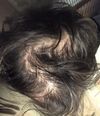
A user shared their 6-month progress using oral dutasteride (0.5mg daily), topical minoxidil (5% once daily), and ketoconazole shampoo (2% weekly) for hair loss, reporting increased libido and no side effects. They chose dutasteride over finasteride due to availability and convenience.
A user is using topical finasteride, minoxidil, and oral finasteride for hair loss but hasn't seen progress yet. They are considering switching to oral finasteride only due to scalp issues from the topical solution, but are advised to continue the current regimen for at least six months to a year.
A user received a topical finasteride solution from a pharmacy, which likely dissolved finasteride tablets instead of using pure finasteride powder, resulting in sediment. The user expressed dissatisfaction, expecting pure powder, and discussed the pros and cons of DIY solutions and the use of minoxidil with finasteride.
The user experiences scalp itchiness despite using ketoconazole shampoo and is also taking oral finasteride and minoxidil. Suggestions include trying different shampoos like Head & Shoulders, using salicylic acid products, considering allergies, and consulting a dermatologist for alternatives like Ciclopirox.
The user improved diffuse thinning without finasteride by using minoxidil foam, cold showers, gentle hair drying, 2% ketoconazole, sulfate-free tea tree oil shampoo, dermastamping, and supplements like Omega-3, Vitamin-D, Biotin, Keratin, Collagen, B3, Zinc, and Magnesium. The regimen was followed for about six months under dermatologist guidance.
A user shared their successful hair loss treatment using 1.25mg finasteride daily, 2.5mm microneedling every 1-3 weeks, zinc pyrithione shampoo, occasional scalp massages, and 40% glycolic acid on temples. They reported significant progress over 21 months.
The user shared their positive experience with hair loss treatment using 1mg finasteride, 0.5mg minoxidil, vitamins, ketoconazole shampoo, and a thickening shampoo, noting significant progress and minimal side effects. They emphasized the importance of trying treatments despite initial shedding and shared their routine for managing frizzy hair.
FOL-005 claims to be more effective than Minoxidil and Finasteride but lacks anti-DHT properties, leading to potential reduced efficacy over time. Concerns are raised about misleading marketing and the safety of alternative treatments like Pyrilutamide and Clascoterone.
The user experienced significant hair thickening after switching from three years of topical Minoxidil and keto shampoo to three months of topical finasteride and derma stamping. They also noted that they're using less than the recommended amount of finasteride, but still seeing great results.
The user has been using a Phoenix 2-in-1 pill (1mg finasteride with 3mg minoxidil), nizoral ketoconazole shampoo, and derma rolling for 9 months but continues to experience hair shedding. They are considering adding Rogaine foam and are curious about low-level laser caps for better results.
The user is using oral minoxidil and finasteride for hair loss and plans to add topical minoxidil and a dermaroller. They also use ketoconazole shampoo to support hair regrowth.
Fucoidan may help regrow hair and reduce inflammation in androgenetic alopecia. It is unclear if simply mixing fucoidan powder into a serum for application is effective.
The user "DaysonDadum" shared their progress pictures after using finasteride and minoxidil for 10 months, along with regularly using Nizoral. They experienced positive results with no noticeable shedding and no side effects. Other users in the conversation asked about dosages and brands of the treatments.
The conversation is about the potential dangers of taking oral minoxidil and grapefruit juice together. Some users express concern about dangerous drug interactions, while others argue that grapefruit juice may inhibit the metabolism of finasteride. The conclusion is that grapefruit juice may make finasteride less effective, but it won't affect minoxidil.
The conversation discusses a user's positive experience with a hair loss treatment using a topical spray containing finasteride and minoxidil. Some users express interest or skepticism, while the original poster also mentions using biotin gummies, fish oil, and a multivitamin.