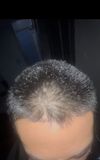
The conversation discusses using Minoxidil with Tretinoin and Fexofenadine for hair loss. Some users doubt its effectiveness, noting Fexofenadine's unproven results for androgenetic alopecia.
The conversation is about finding cheaper alternatives for hair loss treatments. Specific treatments mentioned include finasteride and L'Oréal Paris Elvital Hyaluron Plump Leave-In Spray.
A 21-year-old male used ketoconazole shampoo, 1mg finasteride, 5% topical minoxidil, and 5mg oral minoxidil for hair loss, with no side effects reported. He applied topical minoxidil only to thinning areas to promote hair and beard growth.
The user experiences histamine intolerance with alcohol-based hair loss treatments like Rogaine foam and seeks alternatives. Suggestions include alcohol-free and PPG-free topical minoxidil or finasteride, and trying Spectral products with different solvents.
A user is starting a hair loss treatment with a 3-in-1 spray containing finasteride, minoxidil, and tretinoin. They are concerned about whether to continue shaving their head and how to determine if hair follicles are dead.
Treating alopecia androgenetica with limited options, such as spironolacton, dutasteride, finasteride, minoxidil 5%, Rogaine foam for men, a shampoo with ketoconazol, iron supplement and dermarolling.
The conversation discusses using Biotin 10000mcg with Keratin and DHT blockers for hair growth. The user seeks advice on other community-recommended options.
The user has been using 3mg oral Minoxidil and 1.1mg oral Finasteride for 15 months and plans to switch to 5mg oral Minoxidil, 1.1mg oral Finasteride, and 0.1mg oral Dutasteride. They have also used ketoconazole and salicylic acid shampoo for seborrheic dermatitis and hope to see more hair growth with the increased dosage.
A user who has been using finasteride and minoxidil, as well as a keto shampoo for two and a half months, and believes they are seeing slight improvements in their hair loss.
A user shared their positive hair regrowth results after 4 months using topical minoxidil, a 0.5 dermastamp once a week, and ketoconazole shampoo. Some responses suggest adding finasteride to maintain results, while others praise the effectiveness of the treatments used.
The user is considering using Tacrolimus Solution and topical Dutasteride to avoid shedding caused by Minoxidil, which they fear may lead to facial side effects. They are also concerned about scalp sensitivity and are exploring different treatment bases to manage seborrheic dermatitis.
A user shared their experience with hair loss treatments, including RU58841, ketoconazole shampoo, caffeine shampoo, and topical finasteride. They found RU58841 effective for diffuse thinning but experienced severe hair loss after stopping it; topical finasteride worked well for a receding hairline but caused side effects. They also use a charcoal shampoo and practice scalp massages.
The conversation is about the ineffectiveness of 1% ketoconazole for hair loss, with the user stating that studies support the 2% version and even that has minimal results. The user also mentions using minoxidil, which dries out their scalp, and ketoconazole worsens it.
The user is using dutasteride, oral minoxidil, and ketoconazole shampoo for hair loss but still experiences hair shedding. Despite using these treatments for about 1.5 years, the user jokes about the ineffectiveness and dandruff issues.
A user with scalp psoriasis and hair loss is hesitant to use topical minoxidil and finasteride due to concerns about psoriasis and potential side effects. They are considering alternatives like pumpkin seed and saw palmetto.
The user is experiencing scalp itching from a PG ethanol base in their hair loss treatment, which includes 0.025% finasteride and 2.5% minoxidil, and is seeking alternatives without PG or ethanol. Suggestions include Zeuss non-PG foam and Ulo, which do not use PG or hydrocortisone.
The conversation discusses switching from oral to topical treatments for hair loss, specifically using a mix of retinoic acid, finasteride, and minoxidil, after oral treatments like dutasteride and finasteride were ineffective. The user is concerned about the cost and potential impact of dandruff on the absorption of topical treatments.
The user shared a one-year update on using oral finasteride (1.1 mg) and oral minoxidil (3 mg) along with ketoconazole shampoo, reporting significant hair regrowth and satisfaction with the results despite some side effects like thicker eyebrows and chest hair. The user encourages others to start treatment early and plans to continue the current regimen for further improvement.
The conversation discusses hair loss treatments, specifically using topical minoxidil, oral finasteride, ketoconazole, and derma stamping. Users share their experiences, with one noting improved scalp health and slight regrowth, while another considers switching treatments due to lack of progress.
Hair loss treatment using 1mg Fin daily and Nizoral shampoo twice a week for 10 months showed improvement after 6-10 months. No significant side effects experienced, except slightly watery semen.
The conversation is about a person's hair loss treatment regimen, which includes Minoxidil, low-dose Finasteride, Pyrilutamide, weekly use of a derma roller, and hair loss shampoo. They chose these treatments to minimize systemic effects and plan to share their results for others' benefit.
A 24-year-old male experienced side effects like low libido and ED after starting finasteride post-hair transplant and is seeking alternatives to reduce scalp DHT. Suggestions include topical finasteride, Xpecia, DHT-reducing shampoos, and switching to dutasteride, with some users reporting fewer side effects with these alternatives.
The user shares a 3-month hair loss treatment progress using finasteride, minoxidil, and ketoconazole shampoo. They plan to add a dermatologist pen to their routine for the next 3-6 months.
The user is experiencing white flakes and a greasy look from using a topical solution containing 0.025% finasteride, 8% minoxidil, 0.01% retinoic acid, and 1% hydrocortisone. Suggestions include reducing application frequency, using a brush to clean the scalp, and considering alcohol-free alternatives.
A 19-year-old male with seborrheic dermatitis (SD) experienced significant hair loss and uses keto shampoo, zinc, and Nizoral to manage it. He inquires about the potential for regrowth and whether adding finasteride would help.
The user experienced significant hair regrowth in temples, eyebrows, eyelashes, and beard after one month of using 0.5 mg Dutasteride, 2.5 mg Oral Minoxidil, and Ketoconazole Shampoo, with no side effects. They are still experiencing scalp shedding but expect further progress.
User reports 7 months progress using Finasteride, Minoxidil, and Keto Shampoo & Conditioner, with positive results and no side effects. Others in the conversation congratulate the user and discuss the effectiveness of the treatments.
The conversation discusses using Shatavari, an Ayurvedic treatment, for hair loss. Other treatments mentioned include Minoxidil, finasteride, and RU58841.
A 19-year-old is experiencing worsening hair loss and severe seborrheic dermatitis despite using finasteride for six months. Nizoral (ketoconazole) is no longer effective, and they are seeking over-the-counter solutions and advice for an upcoming dermatologist visit.
Upcoming hair loss treatments for those who can't tolerate DHT blockers, focusing on Minoxidil, microneedling, and ketoconazole. Promising treatments include GT20029, PP405, KX-826, and RU58841, though RU58841 may not be safe.