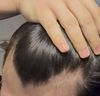
The user used finasteride, minoxidil, and ketoconazole for hair loss prevention. After one year, there was no noticeable hair regrowth, but no further hair loss occurred.
The user experienced reduced hair shedding with Ketoconazole shampoo, suggesting it may help with scalp inflammation and hair health. They also use Minoxidil and Finasteride, and suspect food intolerance and stress contribute to their hair issues.
The user is seeking advice on which treatment to add to their current regimen for male pattern baldness. They have previously tried Dutasteride, Nizoral, and oral Minoxidil, but experienced continued hair loss. They are specifically asking for experiences with RU58841, Stemoxydine, or Alfatradiol.
The user experiences irritation from alcohols in minoxidil and is considering alternatives like trichosol mixed with polyethylene glycol or DMSO. They seek advice on the best nonirritating option.
The conversation discusses a hair loss treatment formulation containing cyclosporin, minoxidil, and tacrolimus, and mentions ongoing research on hair color reversal. The treatment showed high efficacy in restoring hair color in trials with 40 to 50 people.
Ketoconazole shampoo is primarily used to reduce scalp fungus and inflammation, not to block DHT or androgen receptors. It may help with seborrheic dermatitis and improve scalp health, but its effects on hair loss are minimal compared to treatments like finasteride.
The conversation is about a user sharing their blood test results and questioning if it's okay to start a hair loss treatment with finasteride. Specific treatments mentioned are Minoxidil, finasteride, and RU58841.
The user is using topical Minoxidil 5% and Finasteride 0.1% for hair loss and is concerned about potential side effects of oral treatments due to a history of depression and testosterone replacement therapy. Other users suggest that oral Finasteride may be more effective, but results typically take several months to a year to become noticeable.
The user started using finasteride daily and ketoconazole occasionally, noticing reduced hair fall but no regrowth. Others shared mixed experiences with finasteride, some considering switching to dutasteride or adding minoxidil.
An 18-year-old is maintaining a stable hairline using Minoxidil, topical finasteride (Fynzur), and Dermastamp, and is considering adding oral finasteride for prevention. They seek advice on whether starting oral finasteride early is necessary given their family history and current regimen.
The user shared progress pictures showing significant hair growth after using minoxidil, dutasteride, and ketoconazole shampoo. They reported seeing results in 1.5-2 months and discussed the effectiveness of oral treatments over topical ones.
A user shared their 9-month progress using finasteride, minoxidil with peppermint oil, biotin, coconut or almond oil, Nizoral shampoo, and derma stamping. They experienced significant hairline improvement despite some shedding and dry hair.
The user shared positive hair regrowth results using Minoxidil 5% and stinging nettle root over six months. They avoided finasteride due to concerns but are open to using it if needed.
Hair growth success may be linked to addressing scalp fungi issues, with treatments like minoxidil, finasteride, and dutasteride being important. DHT may contribute to scalp microbial issues, potentially causing inflammation and hair loss.
A user shared their 3-month progress using a topical solution containing 0.3% finasteride, 7% minoxidil, 2.2% ketoconazole, and 0.2% biotin, reporting improvements in thinning areas. Another user mentioned using oral finasteride, oral minoxidil, dutasteride, and minoxidil foam, discussing costs and side effects.
A user shared progress pictures after 50 days of using finasteride, topical minoxidil, and ketoconazole shampoo for hair loss, noting significant hair growth and expressing surprise at the results. They plan to continue the treatment and possibly incorporate a dermastamp and increase minoxidil application if growth plateaus.
The conversation discusses hair regrowth using finasteride 0.5mg and ketoconazole shampoo over four months, with no negative effects. The user shares a photo asking if the new growth is baby hairs, and another user encourages them to continue the routine.
Inflammation on the scalp can hinder hair regrowth and the effectiveness of treatments. The user is using ketoconazole shampoo, Selsun Blue, finasteride, and oral minoxidil.
A user shared their positive experience with a 4-in-1 topical solution containing finasteride, minoxidil, ketoconazole, and biotin, along with weekly microneedling using a 1.2mm dermastamp. The user reported no noticeable side effects and mentioned that the biotin likely doesn't contribute to hair growth.
The user shared progress pictures showing improved hair growth at the temples after 2.5 months using oral finasteride/dutasteride, ketoconazole shampoo, minoxidil, tretinoin, and dermarolling. The user reported no side effects from the medications and noted inconsistent microneedling.
The user shared progress in hair regrowth using oral finasteride, topical minoxidil, and ketoconazole shampoo every other day, noting no side effects from finasteride. They expressed satisfaction with the results and optimism for further improvement.
A user shared their experience with hair loss treatments, including minoxidil and finasteride, and their negative side effects. They outlined a new treatment plan involving microneedling, various supplements, minoxidil foam, ketoconazole shampoo, and an anti-inflammatory diet, with plans to document progress over three months. Another user responded, indicating their own similar efforts were a waste of money.
The user reported unexpected hair growth on their crown after using a derma stamp, ketoconazole, and other treatments like rosemary oil and biotin, but before starting finasteride or minoxidil. They questioned if the growth was due to these treatments or an underlying issue besides androgenetic alopecia.
A topical treatment called 1961, containing multiple products, is discussed for its compatibility with finasteride. It is suggested that 1961 does not negatively affect finasteride's effectiveness and may even enhance its absorption.