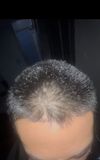
Using topical Minoxidil, Finasteride, and Tretinoin, along with low-dose Accutane, may enhance hair growth. Tretinoin is believed to improve Minoxidil absorption.
Oral minoxidil and finasteride are the main treatments for hair loss, with microneedling as an additional method. Tretinoin gel is not necessary with oral minoxidil but can be used for skincare.
The user is using topical minoxidil and finasteride with good results and is considering adding stemoxydine 5% to their regimen. Another user suggests trying it if financially feasible, as results can vary.
A 21-year-old started treatment for androgenetic alopecia and seborrheic dermatitis with oral finasteride, topical minoxidil, anti-dandruff shampoo, and a corticosteroid solution. After 1.5 months, they noticed increased hair density and are considering switching to oral minoxidil due to scalp issues.
The conversation discusses using 1% cetirizine, an antihistamine, as a potential treatment for androgenetic alopecia (hair loss). One user plans to try cetirizine instead of finasteride, while others are curious or skeptical about its effectiveness, discussing the role of inflammation in hair loss.
A 32-year-old man has been treating his hair loss with daily oral finasteride (1.25g), twice-daily topical minoxidil, weekly ketoconazole 2% shampoo, and weekly microneedling for almost three months, with no side effects from finasteride. He started with a Hamilton Norwood scale rating of 5 and has seen improvement without experiencing pain by using a 0.8mm needle length for microneedling.
The user experienced significant hair regrowth using minoxidil 5%, finasteride 1.25mg, and nizoral 2% ketoconazole shampoo, with the best results appearing after two years. Consistency in treatment was emphasized, and the user plans to continue using minoxidil.
The user has been using topical finasteride and minoxidil for 7 months, seeing better results on the temples than the crown. Others suggest continuing the treatment for up to 18 months and consider additional options like oral finasteride or a derma pen for better absorption.
A user shared their 2.5-year hair loss treatment success using 1mg finasteride daily and switching from 5mg to 2.5mg minoxidil. They reported no significant side effects and emphasized the importance of early treatment.
The conversation discusses using tretinoin for hair loss and whether applying SPF on the scalp is necessary if hair covers the treated areas. The user is considering this treatment despite having no completely bald patches.
A 25-year-old male has been using topical finasteride (0.1%) and minoxidil (5%) for almost two years with no visible improvement but stable hair loss. Suggestions include switching to oral finasteride and minoxidil, considering stronger treatments like dutasteride, and consulting a doctor for personalized advice.
The user experienced good hair growth results using a combination of finasteride, minoxidil, and a topical formulation, but faced temporary numbness as a side effect. They manage this by microdosing oral finasteride and minoxidil and using the topical formulation sparingly.
A 19-year-old has completed 70 days using oral and topical Minoxidil, oral finasteride, a dermaroller, and ketoconazole for hair regrowth. They are seeking feedback on the effectiveness of their treatment.
The user has been using topical minoxidil and finasteride for nearly four months, along with derma rolling and Nizoral, and is seeing noticeable hair regrowth and thickening, especially around the temples and crown. They are considering continuing the treatment and possibly trying oral finasteride, but are cautious due to a history of depression.
The user, who experienced hair loss at the temples due to psoriasis at 17, is now 21 and considering treatment options. They are inquiring about using minoxidil once a day, whether non-AGA hair loss will persist after stopping minoxidil, and if alternative remedies like Detumescence therapy, rosemary and peppermint oils, and microneedling could be sufficient.
The conversation is about a user's hair loss treatment regimen, which includes daily finasteride, topical minoxidil, derma rolling, and Nizoral shampoo. Opinions vary on the effectiveness of the regimen, with some users suggesting additional treatments like oral minoxidil and dutasteride, while others debate the presence of a scalp fungus and the impact of microneedling.
The conversation discusses using a multimodal approach to treat androgenic alopecia, including substances like gamma-linolenic acid, DHA, sulforaphane, melatonin, cetirizine, astaxanthin, fisetin, apigenin, curcumin, limonene, genistein, and berberine. Users also mention using ketoconazole, minoxidil, and low-level laser therapy (LLLT) as part of their hair loss treatment regimens.
A 24-year-old male has been using 1mg finasteride daily, 5% minoxidil twice a day, ketoconazole shampoo, and dermastamping for hair regrowth, noticing progress in crown thickness and some temple regrowth. He is considering adding oral minoxidil to enhance results but is concerned about potential side effects.
The user experiences an itchy scalp despite using finasteride and ketoconazole shampoo for hair loss. Suggestions include trying different shampoos, switching to dutasteride, and using topical treatments for inflammation.
The conversation is about a hair loss treatment regimen including finasteride, oral minoxidil, Stemoxydine, a multi-peptide serum, and ketoconazole. A suggestion was made to add dermastamping and tretinoin.
Finasteride helped stop hair loss progression and slightly thickened hair, but reduced beard and chest hair growth. The user also uses ketoconazole shampoo for scalp itchiness.
Significant hair regrowth was achieved using a topical combination of 0.3% finasteride and 6% minoxidil, with weekly dermastamping and ketoconazole shampoo, without side effects. Others suggested additional treatments like red light therapy and PRP.
The conversation discusses a prescription for hair loss treatment. Minoxidil is mentioned as a treatment that should be used daily, not just two days a week.
The post discusses microdosing finasteride to minimize side effects while treating hair loss. The user also mentions using minoxidil, biotin, and ketoconazole.
The user shared their 10-month hair loss treatment progress using Finasteride, Topical Minoxidil, and microneedling, noting significant improvement in their hairline. They also mentioned that Finasteride helped with acne, and other users discussed additional treatments like tretinoin and observed hair regrowth patterns.
A 19-year-old is experiencing worsening hair loss and severe seborrheic dermatitis despite using finasteride for six months. Nizoral (ketoconazole) is no longer effective, and they are seeking over-the-counter solutions and advice for an upcoming dermatologist visit.
A 23-year-old has been using topical minoxidil for 8 months and recently added finasteride for 1 month to address hair loss. They are also taking "Foilhair A" and have started microneedling.