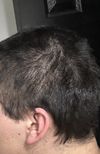
Hair loss possibly caused by a fungal infection might be treated with antifungal shampoos or oral medications. If not fungal, treatments like minoxidil or finasteride may be necessary.
The user started using minoxidil foam daily after two years on finasteride and is managing seborrheic dermatitis with antifungal shampoo. They seek advice on moisturizing products that won't worsen their condition, with suggestions including gentle shampoos and light ceramide serums.
Finasteride stopped scalp itching and improved hair health, likely due to reduced DHT. Users discussed the relationship between DHT, itching, and hair loss, with some mentioning minoxidil and antifungal treatments like ketoconazole.
Seborrheic dermatitis can cause hair loss, and treatments like ketoconazole shampoo, topical steroids, and oral antifungals may help. Some consider using finasteride and minoxidil for hair loss despite dermatitis.
Treating Seborrheic Dermatitis, a fungal scalp condition which can cause hair loss. Treatments discussed include antifungal shampoos, cold showers, exfoliating the scalp, taking Vitamin D, and stimulating the prostate through the anus.
Minoxidil can cause scalp flaking and dryness, often due to its alcohol content. Switching to foam minoxidil or using antifungal shampoos like Ketoconazole may help reduce these side effects.
Natural treatments for hair loss, specifically peppermint oil and rosemary oil; how they can be used as a supplementary or alternative treatment to pharmaceuticals such as finasteride and minoxidil; and the personal experience of the user Divallo, who has seen an increase in density and thickness after using these oils for around 2.5 years. The post also touches on the potential antifungal properties of the oils and their effects on cutaneous blood flow.
The mechanism of Androgenic Alopecia and practical applications of treatments like Minoxidil, Finasteride, RU58841, dermarolling, scalp massages, anti-fungals, progesterone, estrogen, PPAR-γ activators, reducing oxidative stress, and scalp exercises. It explains why DHT is important in AA and how other factors might be involved such as hypoxia, increased DKK-1 expression, morphological changes to the scalp, skull growth during childhood/puberty, and blood flow.
A 19-year-old female with Diffuse Alopecia was advised by a dermatologist to use vitamin supplements, a hair serum, and antifungal drops, leading to some improvement. Other users suggested treatments like minoxidil, microneedling, and consulting a different dermatologist for further advice.
The user is seeking Malassezia-safe treatments for hair loss and currently uses a baby shampoo, a scalp tonic with antifungal ingredients, and aloe gel. They consider using Kirkland Minoxidil 5% drops and possibly consulting a doctor about Finasteride.
The conversation discusses the effectiveness of Urbanman Australia Hair Growth shampoo, which contains rosemary and castor oils, but likely in low concentrations. The shampoo may improve scalp condition but is not expected to significantly impact hair growth; it also contains caffeine and has antibacterial, antifungal, and antidandruff properties.
The conversation discusses managing seborrheic dermatitis (sebderm) and male pattern baldness (MPB) with treatments like finasteride, coal tar shampoo, Nizoral, and oral minoxidil. Users suggest dietary changes, regular shampooing, and using antifungal products to control sebderm before considering minoxidil.
Castor oil is being considered for hair thinning, with some users noting it may prevent hair breakage but not affect DHT-related hair loss. Some users report mixed results, with one mentioning increased body hair growth from oral consumption.
Oral ketoconazole is discussed as a potential hair loss treatment, but it poses significant health risks like liver damage and adrenal insufficiency. Users suggest safer alternatives like topical anti-androgens or spironolactone, emphasizing the importance of consulting a specialist.
The user is using ketoconazole shampoo, organic vinegar, iced aloe vera gel, and sulfur soap to address hair loss, avoiding minoxidil and finasteride unless necessary. Some users see improvement, while others suggest adding finasteride for better results.
Microneedling can cause infections if not done carefully; users suggest using alcohol swabs and reducing needle depth to avoid issues. Proper sanitation and gentle pressure are key to preventing bleeding and infection.
The conversation discusses a hair loss and scalp care routine involving ciclopirox shampoo, benzoyl peroxide, clindamycin gel, clobetasol propionate, and calcipotriol to manage seborrheic dermatitis, folliculitis, and inflammation. It also touches on the role of diet and other treatments like oral minoxidil and pioglitazone for scalp health.
Ketoconazole can slightly improve hair density and is best used as an adjunct to treatments like finasteride and minoxidil. It helps with scalp health but won't stop androgenetic alopecia on its own.
The conversation discusses the safety and use of ketoconazole shampoo for hair loss, with mentions of zinc pyrithione and selenium sulfide. Users debate the safety of these ingredients, particularly zinc pyrithione, and share opinions on regulatory differences between Europe and the US.
The user experienced significant hair improvement with minoxidil and finasteride but later faced shedding and diffused thinning after developing seborrheic dermatitis. They are seeking advice after trying treatments like ketoconazole, coal tar shampoos, fluconazole, and hydrocortisone cream.
Betnovate and mometasone furoate were tried for scalp issues, but Zoryve and Selsun shampoo were recommended for relief. Itraconazole was suggested for stronger treatment if topicals fail.
The conversation discusses managing hair loss and seborrheic dermatitis with treatments like minoxidil, finasteride, and saw palmetto, emphasizing the importance of scalp health and DHT reduction. The user shares personal experiences and suggests a balanced approach, combining topical treatments and lifestyle changes for effective hair regrowth.
The user saw no improvement in hair loss after using Finasteride for a year and Dutasteride for six months. They also experienced scalp inflammation and tried various treatments like Ketoconazole and Salicylic Acid without success.
The conversation discusses using Nizoral 2% for hair loss treatment without having dandruff, with advice on allowing it to absorb for 10 minutes before rinsing and a personal experience of the product causing dry and itchy scalp.
Pyrilutamide's effect on sebum production and scalp inflammation is unclear, with users noting no significant changes. Isotretinoin is mentioned as effective for reducing sebum, while Dutasteride and various shampoos have limited impact on oiliness and seborrheic dermatitis.
Microneedling, ketoconazole, and tretinoin are discussed as hair loss treatments, with tretinoin favored for its long-term benefits and potential to turn minoxidil non-responders into responders. Microneedling is recommended for initial use, ketoconazole for dandruff, and tretinoin for continuous use due to its skin benefits.
Ketoconazole 2% shampoo effectively regrew hair by treating scalp dermatitis and inflammation. The user also used jojoba and oat oil, Aveeno moisturizer, and hyaluronic acid for scalp care.
Ketoconazole shampoo can dry out hair, causing it to become frizzy and less manageable. Users suggest using conditioner, trying different shampoos, or reducing the frequency of ketoconazole use to mitigate these effects.
A 58-year-old uses finasteride for hair loss and has tried various shampoos, finding Equate T-gel effective for controlling itching. Nizoral was previously effective but no longer works, and DermaKB hasn't been used long enough to assess its effectiveness.