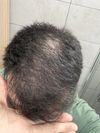
Minoxidil alone is often insufficient for treating hair loss because it doesn't address the DHT-related cause. Combining it with finasteride, a DHT blocker, is generally more effective.
Oral minoxidil dosing should be based on body weight to minimize side effects, with higher doses increasing risks like pericardial effusion. Combining oral minoxidil with topical treatments and finasteride can improve hair growth, but regular heart health monitoring is essential.
Significant hair regrowth was achieved using 5% Minoxidil twice daily and weekly microneedling with a 0.8 mm dermaroller over five months. Finasteride was not used due to concerns about side effects and availability in France.
Minoxidil is highly toxic to cats and can be fatal with minimal exposure. Users suggest switching to oral minoxidil or taking precautions to prevent pet exposure.
Minoxidil is highly toxic to pets, especially cats and dogs, even in small amounts. Many users have switched to oral minoxidil to prevent accidental exposure to their pets.
The conversation discusses a user's two-month hair regrowth progress using Minoxidil and a 0.5mm dermaroller. Some suggest adding a 5-alpha-reductase inhibitor like finasteride or dutasteride to maintain the results.
A user experienced severe side effects, including heart-related symptoms, after increasing their oral minoxidil dosage to 5 mg, leading them to stop the medication and seek medical advice. Many users advised against high doses of oral minoxidil, suggesting anxiety as a possible cause, and recommended consulting a doctor or switching to topical treatments.
The conclusion of the conversation is that the user started using 5% Minoxidil for hair loss and is happy with the progress. They also mentioned being trans and coming off testosterone, which they believe will help prevent further hair loss. Some users suggested using finasteride as well.
User Salty-Peace-577 experienced hair regrowth after 3 months on 0.5mg oral Finasteride and 2.5mg oral Minoxidil. Others in the conversation expressed surprise at the quick results and discussed the effects of these treatments.
Oral minoxidil combined with finasteride can improve hair density, but long-term safety is uncertain due to potential side effects like heart and kidney issues. Users report mixed experiences, with some experiencing side effects and others finding it effective for hair maintenance.
Low-dose oral minoxidil is used for hair loss and does not significantly affect blood pressure but may increase heart rate and cause hypotensive symptoms. Some users experience side effects like palpitations and shortness of breath, while others find it effective; topical minoxidil with tretinoin is also considered.
The user "PowerfulAide6677" shared progress pictures of their hair loss journey, mentioning that they have been on finasteride for 8 years and are considering adding oral minoxidil to fill in their hairline. Some users advised against adding oral minoxidil, suggesting that the user's current maintenance with finasteride is sufficient.
At this point.
In this conversation, users discussed the risks of drinking topical minoxidil and suggested alternative treatments such as obtaining a prescription for oral minoxidil or finasteride.
The user reported positive hair regrowth after 5 months using Minoxidil, red light therapy, and lifestyle changes, including dietary improvements and stress reduction. They chose natural supplements like saw palmetto and beta-sitosterol over pharmaceutical DHT inhibitors like finasteride.
Scalp tension potentially affecting hair loss, and potential treatments for male pattern baldness such as Minoxidil, Finasteride and RU58841. Evidence from a study was discussed which suggests that the cause of MPB lies within the follicle itself and is not dependent on its surrounding environment.
The conversation discusses hair loss treatments beyond the commonly known three, focusing on separating effective treatments from myths. Dutasteride and low-dose oral Minoxidil are mentioned as having clinical evidence for increasing hair counts, but with potential side effects.
A 48-year-old male is experiencing hair loss despite taking finasteride for four months. He is considering oral minoxidil but is concerned about high blood pressure and is unsure about taking spironolactone.
The user has experienced hair regrowth after switching from topical to oral Minoxidil and starting Finasteride. Other users confirm the regrowth and suggest additional treatments like microneedling and Nizoral shampoo.
A 35-year-old is seeking advice on hair loss treatments, considering minoxidil, finasteride, and possibly a hair transplant in Turkey. They have previously tried microneedling for a year.
The user started oral finasteride and minoxidil, along with topical minoxidil, and saw encouraging hair regrowth results after two months without side effects. Some users reported side effects like depression and low sex drive from finasteride, while others shared positive experiences with varying dosages.
Oral minoxidil is gaining popularity due to increased awareness and convenience, despite potential side effects like cardiac issues and unwanted hair growth. Users report mixed results, with some seeing significant regrowth and others experiencing side effects or minimal improvement.
The user plans to lower their oral minoxidil dose from 5 mg to 2.5 mg to reduce side effects like puffiness and hypertrichosis, while also using finasteride and accutane. They are considering caffeine serums for puffiness and discussing dietary changes or switching to topical minoxidil to address bloating.
The conversation discusses Fevipiprant, an asthma drug that may block CRTH2 and potentially stop male pattern baldness (MPB) without inhibiting DHT. It also mentions the use of finasteride and dutasteride for hair loss.
The user has DUPA and suspects autoimmune activity as a cause. They have tried various treatments including finasteride, minoxidil, dutasteride, pyrilutamide, estrogel, hydrocortisone, and clobetasol, and are now seeking a long-term immunosuppressant.
The conversation discusses the use of vasodilators like Minoxidil, L-arginine, and Niacin for hair regrowth, with Minoxidil causing intolerable side effects for the original poster. It also highlights that certain medications, including Lisinopril, antidepressants, and statins, can cause hair loss.
Managing blood pressure can help with hair loss, as seen with the use of medications like Cialis and oral minoxidil, which improved hairline and blood pressure. Lifestyle changes, such as reducing stimulant use and adjusting testosterone replacement therapy (TRT) doses, also play a role in addressing hair loss and overall health.
The conversation is about someone being prescribed Dutasteride for hair loss. Specific treatments mentioned include Minoxidil, Finasteride, and RU58841.
Hair loss treatments discussed include Minoxidil, Finasteride, and RU58841. HMI-115, a monoclonal antibody drug, is in phase 1 and 2 trials for different conditions, but its availability on the gray market is unlikely due to high production costs.
AH-001 is a new topical treatment designed to degrade androgen receptors, targeting the root cause of androgenetic alopecia without the side effects of oral treatments like finasteride. It has shown a strong safety profile and good local tolerability in early trials.