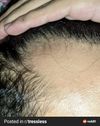
Tretinoin combined with minoxidil is effective for hair loss and can be used once daily. The user seeks a compounding pharmacy to mix these without finasteride.
The user applies a topical solution containing minoxidil, finasteride, dutasteride, retinoic acid, and hydrocortisone to address scalp inflammation and is considering adding cetirizine to the mix. They are calculating the correct amount of cetirizine to add to their formula and have paused this approach to retry oral minoxidil.
A user diagnosed with AGA is seeking advice on hair loss treatments, comparing topical Minoxidil, Spironolactone, and Finasteride to oral medications and natural methods like dermastamping, PRP, and LED light. They are concerned about side effects and effectiveness, especially given their existing fatigue.
The user shared their 3-month progress using topical minoxidil 6% twice daily and finasteride 1mg six days a week, along with a hair and scalp treatment. They reported no side effects and plan to add a dermastamp to their routine.
The user has been using finasteride, minoxidil, and ketoconazole for hair loss, showing good progress without significant side effects. They plan to have a hair transplant in March and hope to eventually stop using oral minoxidil.
The user experienced reduced effectiveness of minoxidil after consistent use, despite using dutasteride to maintain hair. They are considering alternatives like microneedling and exploring options like hair transplants due to dissatisfaction with current hair density.
Users discuss using pyrilutamide for hair loss, seeking alternatives to 5AR inhibitors. They mention using minoxidil, ketoconazole shampoo, and RU58841.
An 18-year-old started taking 1.5 mg oral minoxidil daily for diffuse thinning but is hesitant to use finasteride due to potential side effects. They are questioning if minoxidil alone will be effective.
The conversation is about a person's hair loss treatment regimen, which includes Minoxidil, low-dose Finasteride, Pyrilutamide, weekly use of a derma roller, and hair loss shampoo. They chose these treatments to minimize systemic effects and plan to share their results for others' benefit.
Oral minoxidil is discussed, highlighting potential cardiovascular risks at high doses, but users note that lower doses commonly used for hair loss are generally considered safe. Monitoring by doctors is advised, and some users report taking it without issues, comparing its risks to those of common medications like ibuprofen.
A user discusses using a serum called Dallixa, containing minoxidil-like and bimatoprost-like compounds, for hair loss and greying. The user's dermatologist advised against finasteride and suggested the serum might improve hair pigmentation.
The conversation discusses the use of pyrrolidinyl diaminopyrmidine oxide (triaminodil) compared to minoxidil for hair loss treatment. The user is considering switching from 5% minoxidil to a product containing 5% triaminodil.
A user reported using a topical hair loss treatment containing Minoxidil, Dutasteride, and other ingredients, noting a significant drop in DHT levels and a smaller decrease in testosterone after three months. They also mentioned microneedling, feeling fine with unchanged or increased libido, and taking Cialis as a preventative measure for performance issues.
The individual is using oral minoxidil and finasteride to treat androgenetic alopecia with good results but is considering stopping due to concerns about long-term effects on the heart and potential hair dependency on the medication. They are also contemplating the impact of hair loss on gender dysphoria and considering the use of wigs as an alternative.
The user did not respond to minoxidil and is considering using tretinoin to improve results. They also explored finasteride, microneedling, adapalene, red light therapy, and oral minoxidil as potential treatments.
Minoxidil can cause facial bloat, which some users manage by adjusting sodium intake or using it only on the scalp. Alternatives like finasteride or dutasteride are suggested for those concerned about facial changes.
The user is taking 0.5mg finasteride and 0.5mg Loniten orally daily, using Eucapil twice weekly, and Minoxidil foam once daily for hair loss. They believe Eucapil effectively stops hair loss despite side effects like breast growth.
The conversation discusses natural DHT blockers like rice bran oil, which may reduce 5α-reductase activity similarly to Minoxidil and Dutasteride. One user argues that finasteride is more reliable and effective than natural alternatives.
The user plans to take oral minoxidil 5mg, topical minoxidil, finasteride, dutasteride 0.5mg, and various vitamins for hair loss. A caution was given about the high daily dosage of vitamin D3.
Upcoming hair loss treatments for those who can't tolerate DHT blockers, focusing on Minoxidil, microneedling, and ketoconazole. Promising treatments include GT20029, PP405, KX-826, and RU58841, though RU58841 may not be safe.
The conclusion of the conversation is that the user has experienced significant hair regrowth using a combination of medications, including dutasteride, RU58841, and minoxidil. They have not experienced any noticeable side effects and are considering a hair transplant in the future.
The user is managing hair loss with oral finasteride, recently switching to dutasteride, and topical minoxidil, but faces challenges due to seborrheic dermatitis. They seek advice on effective regrowth methods that don't worsen their condition, with suggestions including various shampoos like Vichy Dercos and ketoconazole.
The conversation discusses hair loss treatments for a woman experiencing androgenetic alopecia and seborrheic dermatitis, with suggestions including low-dose oral minoxidil, dutasteride, and hormone replacement therapy. The user is seeking advice due to intolerance to spironolactone and topical minoxidil, and concerns about low testosterone and DHT levels.
Fluridil, a non-steroidal anti-androgen approved for alopecia in parts of Europe, is noted for its low side effects but is not commonly discussed. The user is inquiring if anyone prefers it over other anti-androgens like Spiro or RU58841.
The conversation is about choosing between RU58841 and topical spironolactone for hair loss treatment. The user is currently using a topical solution with minoxidil, alfatradiol, and progesterone, and is concerned about side effects and effectiveness of both RU58841 and spironolactone.
The user has been taking dutasteride for 7 months with unimpressive results and recently started using minoxidil once a day. They are inquiring about the effectiveness of using minoxidil twice a day and the addition of tretinoin to enhance results.
User "Ant1pal" shares progress pictures of hair regrowth using Minoxidil, Estradiol valerate, and Spironolactone. Users discuss potential side effects and the possibility of localizing estrogen to hair follicles for better treatment.
The user has been using topical finasteride and minoxidil for five months with little progress and is considering oral dutasteride to lower DHT levels, questioning if minoxidil is more effective with reduced DHT. They also use microneedling and tretinoin in their treatment routine.