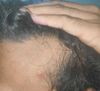
The user is experiencing increased hair shedding after one year of using oral dutasteride. They are seeking opinions on their DHT test results, which show levels below baseline.
The user has been taking finasteride for a year without improvement and added minoxidil and dermarolling recently, but hair loss continues. Blood tests showed normal testosterone and vitamins, except for low vitamin D3 and an allergy, which doctors suggested could be causing the hair loss.
The user has been on finasteride for 17 months and recently switched to dutasteride, sharing bloodwork results showing no side effects. They express a wish to have started treatment earlier to save their hair.
The conversation discusses creating a customized minoxidil formulation with tretinoin, azelaic acid, and caffeine, but there are concerns about foam stabilization due to acidity. The user seeks advice on the best formulation for effective results.
A 35-year-old man shares his positive progress in hair regrowth using a daily routine of 5mg oral minoxidil and 0.5mg dutasteride, along with a low light cap, weekly dermarolling, and biweekly ketoconazole shampoo. He reports noticeable improvements without side effects and aims to inspire others considering similar treatments.
The user is experiencing severe hair loss due to gut malabsorption and is seeking advice on nutrient testing and supplementation. They have low Vitamin D and Ferritin levels and are asking for recommendations on additional nutrients and blood tests to consider.
A user reversed hair loss using 0.5 mg of dutasteride daily without side effects. Others noted hair thickening but questioned the absence of minoxidil use.
The user has been using finasteride for 6 months with decent results and recently added topical minoxidil. They are concerned that salicylic acid in their skincare products might reduce minoxidil's effectiveness.
Quercetin might help with hair loss by inhibiting HSP-70, which increases androgen receptors. Concerns include its staining properties and unclear topical absorption.
The user is considering switching from Minoxidil to Nanoxidil due to severe fatigue while continuing with Topical Finasteride and oral Dutasteride. They hope to maintain hair gains without the side effects of Minoxidil.
User shared 12-month hair loss progress using oral minoxidil, oral dutasteride, and 2% ketoconazole shampoo. They detailed their medication regimen and dosages.
A 27-year-old male is experiencing a recurring pattern of hair loss after 5 months of using oral minoxidil and finasteride, despite initial success. He is considering using topical androgen receptor blockers like RU58841, pyrilutamide, or clascoterone to address potential androgen receptor hypersensitivity.
Redensyl, which is a topical alternative to Minoxidil for hair loss. It may have advantages such as not making the hair greasy and lasting longer after discontinuing use than minoxidil. There are some positive reports from users, but also some negative ones, so it's unclear how effective this treatment will be in comparison to Minoxidil and other treatments like Finasteride or RU58841.
RU58841 may pose cancer risks due to its antiandrogen properties and lack of long-term safety data. Using it is considered a high-risk experiment with unknown potential for harm.
ET-02, a PAI-1 inhibitor, is not proven to be more effective than Minoxidil for hair loss. Other treatments like finasteride, dutasteride, PP405, and AMP-303 are also discussed, focusing on cellular senescence and oxidative stress.
A user did not respond to finasteride, dutasteride, and oral minoxidil for hair loss after four years of treatment and is considering scalp micropigmentation (SMP). Other users suggest the hair loss pattern may indicate alopecia areata and recommend seeing a dermatologist.
After 4 months of using topical finasteride and minoxidil, blood tests showed increased E2, Test, and Prolactine levels. The user is concerned about potential side effects like gyno and is seeking advice on managing these values.
The user has been using finasteride and minoxidil for 11 months but experienced hair thinning after adding topical dutasteride. They plan to continue with Lipogaine, finasteride, and a reduced frequency of topical dutasteride, along with dermarolling and biotin.
An 18-year-old experienced severe side effects, including heart palpitations and high blood pressure, after using RU58841 once, leading to a referral to cardiology for suspected left ventricular hypertrophy. The user regrets using RU58841 and seeks advice on recovery, while others suggest preexisting conditions or genetic predispositions may be factors.
The user switched from finasteride to dutasteride and oral minoxidil after experiencing side effects and worsening hair on finasteride. They report improved hair health with dutasteride and oral minoxidil, noting no side effects with dutasteride.
The user switched from oral minoxidil to topical minoxidil and added JXL-069/PP405-3HP, along with topical dutasteride, melatonin, and tretinoin. They also use low-level laser therapy (LLLT) but doubt its effectiveness.
A 25-year-old male experienced hair loss after taking breaks from oral dutasteride and minoxidil, leading to concerns about losing progress. He is advised to remain consistent with his current regimen and avoid adding spironolactone.
The user shared their 18-month hair loss treatment progress, using finasteride three times a week, daily minoxidil, weekly vitamin D, and bi-weekly nizoral shampoo. They experienced initial shedding and greying, but are satisfied with the results.
The possible increased risk of severe Covid-19 cases in men due to higher androgen levels, and how taking medications such as finasteride, dutasteride, spironolactone, enzalutamide, or canabidiol might help mitigate the severity of the disease.
The user has been using oral finasteride and topical minoxidil for a year, along with biotin, iron, and vitamin D supplements. They were not always consistent with minoxidil but generally maintained the regimen.
A user reported a significant reduction in DHT levels after 3 months of taking 1mg/day oral finasteride, along with using minoxidil foam, microneedling, and Nutrafol vitamins. They hope this will lead to hair growth and less shedding.
The user is using Dutasteride (90.5mg) and Minoxidil (2.5mg) for hair loss since October 2025 and is seeking feedback on progress by comparing photos from October 2025 and January 2026. They are asking for opinions on whether the treatment shows improvement.
Low vitamin D levels can negatively impact hair growth, and supplementing with vitamin D, along with treatments like finasteride and minoxidil, may help improve hair health. Quitting smoking and ensuring adequate vitamin B12 and K2 intake are also suggested to support hair regrowth.