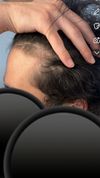
Breezula, a potential new hair loss treatment, may receive FDA approval soon, but it is expected to be a weaker alternative to finasteride and minoxidil. Concerns include its twice-daily application and possible side effects like HPA axis suppression.
The conversation is about hair loss treatments. The user considers natural remedies but is advised that finasteride, dutasteride, and minoxidil are more effective.
The user is using finasteride, RU58841, and various natural supplements and treatments like seamoss, fish oil, and black rice water spray to combat hair loss, avoiding minoxidil due to dependency concerns. They report thicker hair and regained confidence, while discussing the potential risks and benefits of RU58841 with others.
Switching from finasteride to dutasteride led to hair loss despite continued use of minoxidil. Many recommend reintroducing finasteride, as responses to treatments can vary.
The user has been using 1mg finasteride and 2.5mg oral minoxidil daily for 18 months without success in treating hair loss. They are frustrated with their diffuse androgenetic alopecia and unsure of what to do next.
A user increased their dutasteride dose to 2.5 mg and oral minoxidil to 5 mg after losing hair regrowth, and also started using 2% ketoconazole and microneedling. Another user suggested these changes are meaningful and recommended splitting doses throughout the day for better absorption.
Topical finasteride can effectively reduce scalp DHT by targeting local enzymes, despite less systemic impact compared to oral forms. Combining oral dutasteride with topical finasteride and minoxidil may enhance hair loss prevention, though evidence of its effectiveness is limited.
The conversation is about creating a topical hair loss treatment with B6, zinc, and azelaic acid, which is claimed to inhibit 90% of scalp DHT. One user is skeptical about the effectiveness of this treatment and its comparison to other treatments without side effects.
GT20029 and PP405 are discussed as potential alternatives or complements to finasteride for hair loss treatment. GT20029 is entering phase 3 trials, while PP405 is seen as promising for regrowing hair and possibly eliminating the need for other treatments.
The conversation discusses methods to further reduce DHT in the scalp for hair loss treatment, with users suggesting various approaches like using dutasteride, minoxidil, tretinoin, and natural supplements like pumpkin seed oil. Some users also mention using topical applications and scalp massages to enhance the effectiveness of these treatments.
The user is considering switching from topical to oral minoxidil to address thinning hair and a receding hairline. They are currently using topical minoxidil with tretinoin, finasteride, and ketoconazole shampoo without side effects.
Combining minoxidil 5%, tazarotene 0.1% cream, and lumigan for hair loss treatment is discussed. The conversation focuses on the safety and effectiveness of using these treatments together.
The conversation is about someone considering stopping their hair loss treatment, which includes minoxidil, finasteride, ketoconazole, microneedling, and oral minoxidil, due to lack of visible results. Replies suggest continuing treatment, considering a hair transplant, and trying dutasteride.
Hair loss treatments like finasteride, dutasteride, minoxidil, and RU58841. Users discuss "DHT itch" at receding hairlines and suggest using dutasteride or ketoconazole shampoo for relief.
It's safe to take oral dutasteride with pyrilutamide, as many use 5-alpha-reductase inhibitors with topical antiandrogens for better results. Avoid ingesting pyrilutamide.
The user stopped using finasteride due to side effects and switched to RU58841, which seems to be working for hair regrowth. They are considering RU58841 and minoxidil as long-term treatments, while others discuss the safety and effectiveness of these options.
The user tried minoxidil 5% for 3 years with little improvement, then switched to a 15% minoxidil with 0.1% finasteride solution once daily and started using pyrilutamide, resulting in significant hair regrowth over time. They are considering a hair transplant but are continuing with topical treatments to maximize hair growth first.
Using a combination of low-dose oral and topical finasteride, along with minoxidil, may effectively manage hair loss by targeting both systemic and local DHT. Users report positive experiences with this regimen, noting good tolerability and no worsening of hair condition.
Using a combination of low-dose topical finasteride (0.025%) and 0.5% pyrilutamide for hair loss, with a focus on minimizing side effects. The user seeks experiences and results from others who have tried this combination.
A user shared a 10-month hair loss treatment update using oral dutasteride, topical minoxidil, topical finasteride, microneedling, biotin, and saw palmetto. Replies praised the progress and suggested additional treatments like tretinoin and RU58841.
The conversation discusses various treatments for hair loss, including finasteride, minoxidil, keto shampoo, derma stamping, vitamin D, and dutasteride. It also mentions lifestyle changes like exercise, quitting smoking, and dietary supplements.
The user experienced no improvement in hair loss with finasteride and minoxidil but had side effects. They plan to add wounding, scalp massage, vitamin K, and taurine supplements to their regimen and seek feedback on these additions.
A user is seeking a hair-loss shampoo without salicylic acid due to an allergy. Recommendations include using Finasteride, Minoxidil, and Nizoral Anti-Dandruff Shampoo (ketoconazole), while avoiding Nizoral Scalp Psoriasis Shampoo & Conditioner.
The conversation discusses a prescription for hair loss treatment. Minoxidil is mentioned as a treatment that should be used daily, not just two days a week.
Potential treatments for hair loss, including Minoxidil, finasteride, RU58841 and various upcoming pharmaceuticals, gene editing and cloning. It is suggested that a cure, if found, would be highly profitable due to the large number of people affected by hair loss globally.
OP has been using finasteride for almost 2 years and is asking if it's okay to take it with vitamins like vitamin C, multivitamins, and fish oils. Another user mentions taking all vitamins together, usually with a small meal.
Oral minoxidil is more effective than topical for some users, increasing hair density and thickness. Lack of response to topical minoxidil may be due to insufficient sulfotransferase enzyme, which can be upregulated with tretinoin.
OP experienced side effects from finasteride and is considering using RU58841 to prevent hair loss during a testosterone cycle. They have also used minoxidil, Nizoral, alfatradiol, and fluridil successfully.
A user is considering a hair loss treatment lotion containing minoxidil, adenosine, caffeine, melatonin, and azelaic acid, questioning the interaction between caffeine and adenosine receptors. Another user suggests adding a topical anti-DHT ingredient like spironolactone, noting it should not be taken orally by men.