Search
for
Sort by
Community Join
480-510 / 1000+ resultscommunity Aevin hair creme, overwhelmingly positive feedback on website
A user is considering trying Aevin hair creme, which contains ingredients like jojoba oil and saw palmetto, despite skepticism about its effectiveness compared to treatments like finasteride, minoxidil, or hair transplants. They are wary of the product's legitimacy due to the lack of reviews outside the brand's website.
community Breezula Phase 3 Results enough for maintenance?
Breezula shows promise in stabilizing hair loss and potentially promoting regrowth at the one-year mark, offering hope for those who can't tolerate 5AR inhibitors. Its local targeting of androgen receptors could be a significant advancement if it avoids systemic side effects.
community Has anyone found a quality supply of either Procyanidin B2 or annurca apples?
The user is exploring hair loss treatments and is interested in procyanidin B2 and annurca apples but has concerns about the effectiveness and availability of supplements. They cannot use Dutasteride or Finasteride and are considering Minoxidil with microneedling.
community Finasteride and Ketoconazole 2%, 13 months update (Amazing results)
A user shared their 13-month experience using finasteride and ketoconazole 2%, reporting significant improvement in hair growth, especially in the crown and temple areas. They also mentioned occasional use of biotin, multivitamins, and zinc, but noted recent increased shedding and hair loss in unexpected areas.
community Pyrilutamide or RU or cb-03-01?
The conversation discusses using Minoxidil, finasteride, RU58841, and pyrilutamide for hair loss treatment. The user is considering adding a topical treatment and has not experienced side effects from current treatments.
community Been using Dutasteride, Ru58841, Minoxidil, and Ketaconozole for years. Still can't stop shed, recession or loss of density.
Despite using dutasteride, RU58841, minoxidil, and ketoconazole for years, the user continues to experience severe hair loss and thinning. They seek advice after multiple dermatologists confirmed androgenetic alopecia (AGA) but offered no effective solutions.
community What helps y’all with reducing all the dandruff from Minoxidil?
The conversation is about managing dandruff caused by using Kirkland minoxidil, with suggestions including using Kelual DS, Nizoral, and exfoliating with oils. Some users also recommend oral minoxidil and finasteride for better results and convenience.
community Using trichosol as a vehicle for finasteride, minoxidil etc.
User discusses using trichosol as a vehicle for hair loss treatments like finasteride and minoxidil. They ask about others' experiences and the stability of the solutions.
community Comparison of options: topical vs medication
A user diagnosed with AGA is seeking advice on hair loss treatments, comparing topical Minoxidil, Spironolactone, and Finasteride to oral medications and natural methods like dermastamping, PRP, and LED light. They are concerned about side effects and effectiveness, especially given their existing fatigue.
community Anyone try RU58841 from this brand? truth진실
The conversation discusses skepticism about the effectiveness and formulation of a $10 RU58841 gel from a Korean brand, questioning if ethanol is used to hold the active compounds. Concerns are raised about the feasibility of selling it at such a low price.
community I found the solution for the Minox dandruff problem
A user found a solution for Minoxidil-induced dandruff by using a custom NRF 11.121 mixture from a local pharmacy, which includes ingredients like Isopropyl palmitate and Cremophor RH 40. This formulation prevents dryness and allows better penetration when using hair shaders.
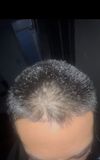
community 19M: Finasteride Not Helping Seb Derm and Hair Loss
A 19-year-old is experiencing worsening hair loss and severe seborrheic dermatitis despite using finasteride for six months. Nizoral (ketoconazole) is no longer effective, and they are seeking over-the-counter solutions and advice for an upcoming dermatologist visit.
community Any experiences with/thoughts on Zeuss sublinguals?
Zeuss sublingual products for hair loss, including finasteride and a finasteride-free option, are discussed for their potential to reduce side effects through sublingual delivery. The inclusion of copper peptides is noted, but the high price is a concern without more user feedback.
community The best Ethanol/Propylene Glycol ratio for home made topical finasteride?
The conversation discusses the best ethanol and propylene glycol ratio for homemade topical finasteride, with a focus on absorption and drying issues. The user shares their experience using a 50% propylene glycol, 30% ethanol, and 20% water solution, and considers adjusting the ethanol content for better results.
community Fin and ketoconazole 3 month update
A 3-month update on the progress using finasteride and ketoconazole as treatments for hair loss, with the routine and dosage discussed.
community Effects of 2% vs 5% min for sebderm
Switching from 2% liquid minoxidil to 5% foam minoxidil reduced scalp irritation but increased eyebrow flakiness and thinning. The user speculates that propylene glycol in the liquid formulation might have been protecting against seborrheic dermatitis while causing contact dermatitis.
community Korea launches 1st OTC hair loss drug
Korea launched its first OTC oral hair loss drug, dexpanthenol B5. Users discuss its anti-oxidative and anti-inflammatory effects but note a lack of efficacy studies.
community I always hear the advice to reduce scalp inflammation. What are some non-steroidal ways to reduce inflammation?
Non-steroidal ways to reduce scalp inflammation include using topical melatonin, urea shampoo, Zyrtec, turmeric with black pepper, omega-3 supplements, a self-made topical solution with cetirizine, melatonin, and piroctone olamine, ketoconazole shampoo, witch hazel shampoo, tacrolimus, and lifestyle changes like a healthy diet and regular exercise. Some users also mentioned unconventional methods like infrared light therapy and a carnivore diet.
community TH07 by Triple Hair entering phase III trial
A new topical treatment, TH07, combining finasteride, latanoprost, and minoxidil, is entering phase III trials with promising early results. Some users express skepticism, noting the treatment uses existing products.
community Anyone tried topical adenosine?
Hair loss discussion includes treatments like Minoxidil, Finasteride, and RU58841. User asks for opinions on topical adenosine as a treatment.
community Help labing up hair preservations
The conversation is about making RU58841 solutions for hair loss treatment and sourcing ingredients for KB solutions. The user mentions using RU58841 powder from Shaanxi Greenyobiotech.
community Cheaper alternative to Roman spray?
A user has had great results with a spray containing 6% minoxidil, 0.03% finasteride, and 0.25% tretinoin from Roman but is seeking cheaper alternatives with the same ingredients. They are looking for suggestions for more affordable sites or pharmacies.
community AttentionHomemade Topical Fin Users- requesting Feedback
A user is seeking feedback on a homemade topical finasteride formula for hair loss, consisting of 7.5 mg of finasteride, propylene glycol, ethanol, and distilled water. They aim to achieve a 0.0125% solution by applying 2 ml daily.
community Thoughts on 5% Topical Minoxidil with 0.01% Tretinoin serum
The conversation discusses using a 5% Topical Minoxidil with 0.01% Tretinoin serum for hair loss, noting its lack of propylene glycol to avoid itchiness and greasiness. Users share experiences with different Minoxidil formulations and discuss the effectiveness and stability of Tretinoin in various forms.
community Fagron TrichoTest says Finasteride won't help
The user received a Fagron TrichoTest indicating that Finasteride, Dutasteride, and Minoxidil are not effective for them, recommending Latanoprost, Spironolactone, IGrantine-F1 TM, and Trichoxidil instead. Other users expressed skepticism about the test's validity and suggested sticking with proven treatments like Finasteride and Dutasteride.
community Try RU or wait till another solution comes to the market
The user is considering adding an anti-androgen, RU58841, to their current hair loss treatment routine due to receding hair. They are also contemplating waiting for Breezula or Pyrilutamide to become more affordable.
community 1 Year on fin/dut + ketoconazole shampoo
The user has been using dutasteride, finasteride, and ketoconazole shampoo for hair loss, recently adding minoxidil and tretinoin, and plans to start microneedling. They advise starting treatments early to maintain hair, as regrowth is more challenging.
community Should I pick Regenepure, Lipogaine Big 3, or Pura d'OR Argan Oil shampoo?
Regenepure is recommended for hair loss due to its gentle formula and beneficial ingredients like Saw Palmetto and Biotin, despite having only 1% Ketoconazole. Nizoral is noted for its higher Ketoconazole content but is considered harsher on the scalp.
community I was very very very very very very very very wrong
Nizoral, a ketoconazole shampoo, can cause scalp dryness and hair shedding if overused. Users discuss alternatives like Selsun Blue, finasteride, and dutasteride for managing hair loss and seborrheic dermatitis.