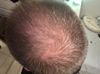
User tried dutasteride, topical finasteride, oral minox, dermawounding, saw palmetto, pumpkin seed oil, and ketacozonole for hair loss. Improvement was temporary, now trying RU58841 and seeking help.
Hair loss treatments like finasteride, minoxidil, and dutasteride require patience, as they can take months or years to show results, with initial shedding being common. Consistency is key, and unnecessary supplements should be avoided to prevent stress and impatience from worsening the situation.
A 3 year journey of hair loss, with recession and diffuse thinning; the user has been taking finasteride for 3 years and is now switching to dutasteride and oral minoxidil, and may start using topical minoxidil soon.
The conversation is about a user experiencing hair shedding after switching from finasteride to dutasteride and increasing their oral minoxidil dose. The user is advised to continue with the current treatment, consider adding topical minoxidil, and consult a dermatologist for potential underlying issues.
Scientists discovered a sugar gel, 2dDR-SA, that increased hair growth in mice. Users discussed its potential, comparing it to other treatments like Minoxidil and finasteride.
A 21-year-old male experienced side effects from topical finasteride and is seeking alternative treatments to maintain hair until Breezula is available. He is considering using minoxidil, Nizoral, micro-needling, and vitamin D supplementation, and may try CB or RU58841 if necessary.
The user switched from finasteride to dutasteride and noticed some hair density improvement after a year, despite initial shedding. Their regimen includes dutasteride, oral and topical minoxidil, Nizoral shampoo, and biotin with vitamin D.
A 31-year-old male experienced significant hair regrowth on his crown after using oral minoxidil (initially 1.25 mg, increased to 2.5 mg, then reduced back to 1.25 mg) and finasteride (1 mg), without side effects except increased hair on arms, beard, and eyelashes. He also used anaphase conditioner and shampoo but no derma rolling or additional multivitamins.
Stemson Therapeutics announced a breakthrough in hair growth technology using stem cells. Users discussed the potential high cost and skepticism about the treatment's accessibility.
The user experienced increased shedding and side effects like oily skin and acne after switching from finasteride to dutasteride, despite initially having success with finasteride. They also tried oral spironolactone, which reduced libido but didn't help with hair loss, and are considering returning to finasteride only.
The user experienced new hair growth after switching from oral finasteride to topical RU58841 with minoxidil and undergoing stem cell therapy. They noticed new hairs at the hairline and temples, but are unsure which treatment is responsible.
A user's hairline recovery after severe hair loss, which was treated with Dutasteride and Minoxidil; other users offered their opinions on the severity of the hair loss.
The user is using oral and topical minoxidil, finasteride, dutasteride, and considering adding rosemary and pumpkin saw palmetto to their regimen. They report significant hair growth, especially with dutasteride, and are considering increasing their dose and adding RU58841.
The user experienced significant hair regrowth using dutasteride daily for six months, then every other day, after stopping minoxidil. They did not use finasteride and reported no side effects.
A 27-year-old is experiencing hair thinning and receding, currently using finasteride and planning to start minoxidil. They seek advice on hairline treatment options, including styling, PRP, peptides, and micro-needling.
A 42-year-old uses dutasteride, topical minoxidil, microneedling, and dermastamping for hair regrowth, reporting no side effects and noticeable progress over two years. The user takes 0.5mg of dutasteride and varies microneedling frequency, seeing early signs of new growth.
The user switched from topical minoxidil/dutasteride to oral dutasteride, resulting in hair loss. They resumed topical treatment without regrowth and are considering switching to finasteride due to poor results with oral dutasteride.
The user experienced significant hair regrowth using 0.5mg dutasteride and 5mg oral minoxidil, with fewer side effects compared to finasteride. They noticed improvements in hair thickness and hairline, despite intermittent use of performance-enhancing substances.
A 17-year-old is frustrated with hair thinning and receding temples, seeking advice after a dermatologist dismissed concerns. Suggestions include starting Minoxidil for regrowth and considering Finasteride if androgenetic alopecia is suspected.
The user experienced hair thickening after two years of using finasteride and minoxidil, despite having a stubborn thin crown. They plan to try microneedling to potentially improve results further.
Redensyl, which is a topical alternative to Minoxidil for hair loss. It may have advantages such as not making the hair greasy and lasting longer after discontinuing use than minoxidil. There are some positive reports from users, but also some negative ones, so it's unclear how effective this treatment will be in comparison to Minoxidil and other treatments like Finasteride or RU58841.
A user experienced significant swelling after a hair and beard transplant, possibly due to an allergic reaction or improper post-surgery care. Despite dissatisfaction with the clinic's handling of grafts and customer service, the user appreciates the clinic's skill in achieving natural hairline density.
The user has high DHT levels despite using dutasteride, which may not be effective due to potential damage or spoilage. They are considering a hair transplant if DHT levels don't decrease after two years.
The user shared progress on hair regrowth after almost 5 months of using oral finasteride and minoxidil, noting improvements in hair thickness, especially around the crown, with some shedding initially. The user reported no significant side effects aside from shedding and sourced the treatment from Hims.
A user experienced heart palpitations and breathing issues while using oral finasteride and minoxidil for hair loss and plans to switch to generic finasteride and topical minoxidil. They also use Nizoral shampoo and are considering a moisturizing shampoo due to dryness and itchiness.
The user started taking oral 0.5 mg dutasteride and 2.5 mg minoxidil daily since July 9. After about three months, they report positive progress in hair regrowth, with others agreeing it looks good.
The conversation discusses hair loss treatments, including minoxidil, finasteride, and dutasteride, with users sharing experiences and side effects. Some users express concerns about side effects like libido issues, while others mention alternative treatments like bee venom and dermarolling.
A user successfully reversed hair loss over 17 months using 0.5mg dutasteride and 5mg oral minoxidil daily, noting significant improvement without a transplant. Minor side effects like headaches and testicular discomfort were reported but resolved quickly.