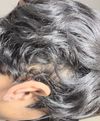
The user follows an intensive hair loss protocol including dutasteride, biotin, black tea, pumpkin seed oil, peppermint shampoo, rosemary conditioner, mukemame, soy milk, lycopene, garlic, magnesium, chamomile, spicy food, citrus bergamot, zinc, multivitamins, kefir, and Greek yogurt. They plan to alternate between pumpkin seed oil and safflower oil and will share before and after pictures.
Transplanting pubic and butt hair to the head is discussed humorously, highlighting pros like DHT resistance and cons like poor blending and appearance. Users joke about using treatments like Minoxidil, Finasteride, and RU58841 on unconventional donor areas.
The conversation is about creating a DIY topical finasteride solution using ethyl alcohol and propylene glycol. A user suggests using a compounding pharmacy instead.
The conversation discusses using cyproterone acetate at 12.5 mg to manage hair loss, with concerns about its effects on testosterone and potential health issues. Other treatments mentioned include finasteride, dutasteride, minoxidil, and RU58841, with varying experiences and outcomes.
Verteporfin treatment shows promise for hair regeneration and reducing scar tissue in hair transplants. Some users plan to try verteporfin with hair transplants, and it may also be combined with PRP in future experiments.
A user is seeking non-transplant hair treatments in Seoul, such as scalp detox, PRP, and exosomes, before considering a future transplant with Dr. Zarev. They want to explore options that improve hair health without undergoing a transplant immediately.
A user is using Fluridil for hair loss and is concerned that styling clay and powder might affect the absorption of the treatment. They apply clay in the morning and Fluridil in the evening and are considering switching to a styling powder.
A user is making their own dutasteride solution using MCT oil but is concerned about its effectiveness and bioavailability. They are considering using propylene glycol or adding ethanol for better results, while others suggest the current dosage might be excessive.
The conversation discusses the role of NADPH in hair loss and the potential impact of creatine and B complex vitamins on hair shedding. The user theorizes that increasing NAD levels with B complex vitamins may reduce hair shedding, despite using finasteride and minoxidil for 9 months.
The user mixed Pyrilutamide with a KB solution and noticed some undissolved powder, questioning if more shaking or liquid is needed. They use Pyrilutamide from Anagenic.
The post discusses the use of latanoprost foam for hair growth, with the user expressing concerns about its efficiency and safety. The user is currently using topical dutasteride, which maintains their hair but doesn't promote regrowth, and is seeking a product that doesn't affect hormone levels.
The user is generally happy with their hair transplant results but has concerns about graft density and placement, particularly on the left temple and hairline. They are using finasteride and minoxidil inconsistently, plan to add Priorin, and are considering microneedling and PRP sessions for future care.
The conversation is about managing an itchy, flaky scalp, possibly due to psoriasis, and the use of a hydrating conditioner to address dryness. The user is concerned about using conditioner due to experiencing telogen effluvium.
The user is considering making a homemade topical finasteride solution using an ethanol-based carrier. They are inquiring if a solution containing partially denatured ethyl alcohol and benzalkonium chloride is suitable.
The user shared progress photos of hair regrowth using copper peptides and NAD+ over five months. Another user commented on the lighting, and another praised the progress.
Hair loss treatments discussed include promising Pyr available online and Verteporfin dosing after FUE for follicle regeneration, but no updates on SCUBE3.
The user is experiencing irritation from using PG with RU58841 and is seeking alternative solutions like K&B in the UK. They report redness, itchiness, and flaky skin from the current treatment.
PP405 is being discussed as a potential hair loss treatment, possibly more effective than minoxidil. There are concerns about its effectiveness and product contamination, but some users report early signs of hair regrowth.
PP405's phase 2a trial results were presented, focusing on safety and pharmacokinetics, with a future meeting planned to share the full dataset. The trial includes a randomized controlled portion and an open-label extension, with no indication of phase 2B completion.
The conversation is about whether stemoxydine can shorten the dormant phase after a hair transplant, known as the ugly duckling phase. There is skepticism about whether it actually works as claimed.
A user plans to experiment with creating new hair follicles using methods like derma rolling, applying lithium chloride, tannic acid, and various other substances including caffeine, ketoconazole, and raspberry ketones. They also consider using anti-inflammatories, immunosuppressants, and DHT inhibitors to potentially improve results.
A user's extreme regimen for hair loss, which includes taking oral and topical medications such as minoxidil, dutasteride, cyproterone acetate and bicalutamide, but still experiencing miniaturization. Suggestions were made to try other treatments such as RU58841 and Pyrilutamide, while also considering mental health treatment and advice on lookmaxxing.
PP405 is a new hair loss treatment advancing quickly in trials, generating excitement and skepticism about its effectiveness and marketing claims. Some see it as a potential alternative to minoxidil and finasteride, but concerns about long-term effects and the need for DHT blockers persist.
The conversation is about using Verteporfin with microneedling as a potential hair loss treatment that may regenerate hair follicles with minimal scarring. There are concerns about the optimal dosage and the DHT sensitivity of the new follicles.
A new topical treatment, PP405, shows promising results for hair regrowth, potentially outperforming existing treatments like finasteride and minoxidil. However, it may still need to be combined with DHT blockers for optimal results, and its long-term effectiveness remains uncertain.
A user created oral minoxidil sugar cubes due to lack of prescription access, leading to a humorous discussion about unconventional and potentially unsafe methods of using minoxidil. The conversation highlights the lengths people go to for hair growth.
A user developed AI software to simulate hair transplants on photos, helping people visualize potential results. The tool offers photo-realistic renderings but advises caution regarding exact outcomes due to various factors.
A user is considering ordering topical finasteride with castor and rosemary oil from a Turkish pharmacy. They are debating whether to include the oils or use only PG and ethanol as the carrier.