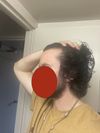
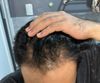
Switching from finasteride and topical minoxidil to dutasteride and oral minoxidil caused a major hair shed, exacerbated by moving stress. Dutasteride may take months to fully integrate, and adding finasteride might help with hair protection during this transition.
A 35-year-old shared a 2-month update on their hair transplant of 3153 grafts, noting redness, itching, and some pimples, while using finasteride for over 12 years to maintain hair. Users discussed the effectiveness and timing of starting finasteride, with some suggesting consulting a doctor for young individuals considering the treatment.
The user has been on a comprehensive hair loss treatment regimen for four years, including Dutasteride, topical and oral Minoxidil, and various other treatments, but has seen little progress and is considering a hair transplant. Despite trying multiple therapies, including PRP and exosome injections, the user is still experiencing hair thinning and is hesitant about trying peptides due to potential cancer risks.
The user is experiencing severe hair loss after surgery and stress, with thinning all over the head, including the sides and neck. They are unsure if it's due to DUPA or alopecia areata incognita, and doctors have not observed miniaturization.
People discussed switching from finasteride to dutasteride for hair loss treatment. They reported satisfaction with dutasteride, noting it was more effective than finasteride, particularly after finasteride's effects diminished, and some experienced additional benefits like cost savings and stabilized hair loss, rating dutasteride highly as a treatment.
The user is asking if using a 10% fluridil formulation would be effective for blocking scalp androgens in addition to their current treatment of oral dutasteride.
A woman with AGA is using spironolactone, dutasteride, finasteride, oral minoxidil, bicalutamide, and anti-androgenic birth control but still experiences worsening hair loss. Steroid shots temporarily stop her hair shedding, leading her to question her biopsy results.
2% fucoidan alleviated AGA symptoms, promoted hair growth, and increased hair density in mice. Fucoidan is considered safe for humans as a supplement and topical skincare product, with potential therapeutic effects against AGA.
Hair transplants, oral finasteride, oral minoxidil, and dutasteride mesotherapy are highly effective for treating AGA hair loss. This combination can maintain and improve hair for most people, except those with very aggressive AGA.
The user switched from Finasteride to Dutasteride due to hair shedding but experienced potential side effects like puffy nipples. They are considering switching back to Finasteride and are concerned about regaining lost hair.
The user experienced positive scalp results with Dutasteride but noticed beard thinning, prompting a switch back to Finasteride. They plan to monitor the situation and may consider combining treatments in the future.
A 30-year-old with diffuse thinning and a balding crown is using a treatment regimen of a 2-in-1 pill containing finasteride, minoxidil, and biotin, along with various supplements. After two weeks, no side effects have been experienced, and updates with pictures will be posted monthly.
The user is experiencing heavy hair shedding and a receding frontal area despite using finasteride and minoxidil. They are considering switching to dutasteride for better results.
The conversation discusses combining oral dutasteride with topical finasteride to further reduce scalp DHT levels for hair regrowth. Users debate the effectiveness and safety of this combination, with some suggesting alternatives like topical antiandrogens such as RU58841, fluridil, and alfatradiol.
A user shared progress pictures 1.5 months after a hair transplant of 3500 grafts, using oral finasteride, topical finasteride, minoxidil, and vitamins. They are concerned about potential shock loss and the thinning appearance.
Epibiotech will offer off-the-shelf allogeneic hair multiplication treatment in South Korea, using dermal papilla cells from donors to grow hair in balding areas. This method is cheaper and less invasive than traditional hair transplants.
A 21-year-old underwent a hair transplant with 1100 grafts and uses oral minoxidil and topical dutasteride to maintain hair. They experienced side effects with oral finasteride but not with their current regimen.
Switching from finasteride to dutasteride may be more effective for hair regrowth due to dutasteride's stronger enzyme inhibition, but combining both drugs could enhance results. Some users report better outcomes with dutasteride, while others recommend a gradual transition to prevent potential hair loss.
Dr. Tsuji's stem cell hair multiplication procedure may offer a future solution for hair loss, but it is initially expected to be very expensive, with prices potentially decreasing over time. In the meantime, users discuss using treatments like finasteride, despite side effects, to manage hair loss.
A user's 8 month progress with treatments including dutasteride, minoxidil, RU58841, derma roller, ketoconazole shampoo and stemoxydine to combat hair loss. Others have shared their own experiences and regrowth results with similar treatments.
The user is using topical dutasteride, finasteride, minoxidil, and tretinoin but seeing no results or side effects. They also microneedle every two weeks but experience little bleeding, questioning if a thick scalp is preventing treatment effectiveness.
The user shared a 6-month update on their hair transplant progress, noting they still use oral minoxidil and dutasteride daily. They are pleased with the results but observe increased hair shedding during showers.
Temporal peaks are crucial for a natural-looking hair transplant, but they are challenging to achieve due to the need for precise angles and appropriate hair thickness. Many users emphasize the importance of finding a skilled surgeon and using finasteride to maintain hairline stability.
The user switched from oral finasteride to dutasteride with minoxidil, but saw no results. They then tried topical finasteride and noticed some potential improvement after four months, theorizing that the topical application bypasses liver metabolism.
Some individuals experience side effects from 5AR inhibitors like finasteride and are considering hair transplants without these medications, with some opting for surgeons like Dr. Zarev. Others are exploring alternative treatments and waiting for new medications in development, while some discuss managing side effects through lifestyle changes or additional medications.
The user is very satisfied with their hair transplant results after six months, using finasteride, minoxidil, and ketoconazole shampoo. They praise Dr. Anuj and consider future touch-ups for a small untouched crown area.
The user experienced significant hair improvement after 7 months of using Dutasteride (DUT) every other day, with no side effects, unlike previous experiences with Finasteride (FIN) and Minoxidil (MIN). The user plans to continue DUT for up to 24 months and is considering a hair transplant for further results.
The conversation discusses concerns that Anagenic's version of GT20029 might not be as effective or safe as Kintor's, with comparisons to issues faced by pyrilutamide. The chemical structure of the drug has been published.
The user plans to switch from dutasteride back to finasteride due to worsening hair loss, possibly due to increased scalp testosterone. Others report mixed results with both treatments, showing individual variability.