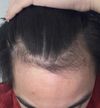
User had a 5000-hair FUT procedure in South Korea in 2014 and is satisfied with results. Uses Minoxidil, dermarolling, and Toppik hair fibers for crown area, and considering Finasteride.
The conversation is about using Sandalore for hair loss and whether to mix it with Morr-F, alcohol, or a scalp oil. Users discuss the effectiveness of different carriers like propylene glycol and hemp oil for better absorption.
A user stopped using minoxidil due to scalp irritation and is now using peppermint oil, noticing improved hair appearance but no growth yet. They are seeking a minoxidil brand that doesn't irritate the scalp and asking if others have had success with peppermint oil for hair loss.
A 22-year-old is experiencing hair loss after transitioning from fem HRT to DIY testosterone therapy and is considering using Dutasteride while also taking Saw Palmetto. They are concerned about the impact on virilization and proper development.
Hair follicle stem cells remain in bald individuals, but progenitor cells do not, raising questions about hair regrowth claims by Pelage. PP405 is discussed as a potential treatment, with skepticism about its effectiveness compared to existing treatments like Minoxidil and Finasteride.
A potential baldness cure, possibly PP405, might be available before the release of GTA 6, which is delayed to 2026 or 2027. There is skepticism about the effectiveness and release timeline of PP405.
Tretinoin can enhance minoxidil effectiveness by boosting the sulfotransferase enzyme. Users suggest sources for affordable tretinoin and mention a product combining tretinoin with minoxidil.
A user has been using Stemoxydine (Kerastase Cure Densifique) along with finasteride, rogaine 5% foam, nizoral, and revian red lllt for hair loss but needs a new Stemoxydine product since Kerastase discontinued theirs. They are seeking recommendations for a similar alternative.
The user shared a 7-year hair progress journey, starting with occasional minoxidil use and later including a finasteride prescription, online prescriptions, and microneedling. Significant hair growth was achieved, but side effects led to a reduction in medication dosage.
The conversation is about a user's four-month progress using finasteride, minoxidil, and weekly dermastamping for hair loss. People occasionally notice improvements in the user's hair.
The user has been taking a daily finasteride pill, applying minoxidil once a day, and using a dermaroller once a week for six months to treat hair loss, showing progress with their treatment. Some users discussed side effects like testicular discomfort with finasteride, which may subside over time.
The conversation discusses a user's three-month progress using topical finasteride once a day, 6% minoxidil at night, and weekly dermastamping at 1.25mm for hair loss. Commenters note the impressive results and discuss application methods and safety precautions for family members.
The user reported positive hair regrowth after 11 months on finasteride and 4 months of microneedling. Opinions in the conversation vary, with some endorsing microneedling as effective and others emphasizing finasteride as essential, while acknowledging that treatments may not work for everyone.
The post and conversation are about a user who made their own Platelet-Rich Plasma (PRP) for hair loss treatment at home, using their own blood and a centrifuge. The responses vary, with some users supporting the DIY approach to save money, others expressing concern about the safety and effectiveness of the method, and a few joking about the lengths people will go to combat hair loss.
User questions credibility of a hair loss "cure" found by a non-expert and warns against wasting money on unproven supplements. Others discuss trying natural extracts and the importance of researching the enzyme 3ADH for potential hair growth benefits.
User discusses a promising topical Procyanidin B2 treatment for hair loss. Users share mixed experiences and mention effective treatments like finasteride, minoxidil, and LLLT.
Various hair growth treatments were discussed, including microneedling, bimatoprost, setipiprant, stemoxydine, PGE2, CB-03-01, WNT Beta-Catenin upregulators, KY19382, topical estrogen, IGF-1, GH, MK-677, oral castor oil, fisetin, resveratrol, cetrizine, and lactic acid. Users shared experiences and sources for these treatments, with some expressing interest in topical solutions and others noting the lack of FDA approval or scientific evidence for certain options.
Using vitamin C in shampoo to adjust pH levels can improve hair health and reduce oiliness and dandruff. The user mixed vitamin C powder with conditioner, achieving positive results.
The user has been using 0.5 mg oral finasteride and recently switched to 2.5 mg oral minoxidil from topical application. They are observing potential early regrowth with longer baby hairs.
The conversation is about concerns regarding the safety of using RU-58841 and oral Minoxidil for hair loss, particularly potential heart-related side effects. The user is using a topical solution with RU-58841 and Minoxidil, along with a pill containing Dutasteride, Finasteride, and oral Minoxidil, and is seeking advice on the regimen.
Finasteride is mainly for maintaining existing hair, while minoxidil is recommended for regrowth. Users suggest combining both treatments for better results, especially if there are signs of hair follicles still being active.
Breezula, a topical treatment, is anticipated to be available in the US by mid-2027 as a potential alternative to finasteride with fewer systemic side effects. There is ongoing debate about its effectiveness and some users report similar side effects to finasteride.
A 43-year-old man noticed hair thinning due to stress and started using Minoxidil, supplements, and specific shampoos, seeing improvement after 7 months. He is hesitant to add Finasteride due to fear of side effects but is managing stress better and feels more confident.
A 17-year-old is experiencing rapid hair loss from NW1.5 to NW3 in six months and feels dermatologists are unhelpful. They are using Minoxidil (Rogaine) and seeking advice on application.
Minoxidil use may cause changes in hair texture, with some users experiencing straighter hair and others noticing darker hair. Users are uncertain if these changes are permanent or temporary.
The user shared positive results after using 5% minoxidil foam nightly and dermastamping weekly for hair growth, noting significant progress after three months. They plan to add finasteride in the future but are currently avoiding it due to age.
Oral minoxidil is more effective than topical for some users, increasing hair density and thickness. Lack of response to topical minoxidil may be due to insufficient sulfotransferase enzyme, which can be upregulated with tretinoin.
Minoxidil is effective for hair growth but may not provide lasting results without addressing DHT, which finasteride or dutasteride can help with. Users report mixed experiences with side effects from these treatments, including acne and itching from minoxidil.