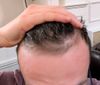
Redensyl improved hair thickness slightly with no side effects, but no regrowth. Minoxidil provided significant regrowth but caused facial side effects like puffiness.
The conversation is about someone experiencing hair regrowth using 1mg finasteride, 5% minoxidil, ketoconazole shampoo, and microneedling twice a week, and considering adding dutasteride to the regimen. They shared progress pictures from September 30th, December 3rd, and December 14th.
A 21-year-old with a family history of early balding is advised to see a dermatologist to confirm androgenetic alopecia (AGA) and consider treatments like finasteride or dutasteride to prevent further hair loss, and minoxidil, possibly with tretinoin, to regrow hair. Caution is advised with oral minoxidil, and a cardiologist should be consulted before use.
A user shared their positive experience with a hair transplant at Moart Clinic, involving approximately 10,000 grafts for a new hairline and crown. The procedure was smooth, with no pain, and the user is very satisfied with the results.
User started minoxidil, noticed forehead lines and dark circles, and asked for non-invasive skin aging prevention methods. Another user suggested using tretinoin and hyaluronic acid for long-term benefits.
The user has DUPA and suspects autoimmune activity as a cause. They have tried various treatments including finasteride, minoxidil, dutasteride, pyrilutamide, estrogel, hydrocortisone, and clobetasol, and are now seeking a long-term immunosuppressant.
RU58841 is discussed as a hair loss treatment, with concerns about its effectiveness diminishing after two years due to androgen receptor upregulation. The user is hesitant to start using it, fearing it may worsen their condition over time.
A user on finasteride, minoxidil, dermastamp, and Nizoral is seeing baby hairs and asks if it's regrowth. Another user confirms it is regrowth and encourages them to continue.
A user is seeking a Minoxidil Response Test kit in the EU without bundled consultations. They mention alternatives like oral minoxidil and tretinoin but prefer the test alone.
Ibrox1972 shared an 8.5-month update on their 2,689-graft hair transplant by Dr. Raghu Reddy in London, along with using oral finasteride, oral minoxidil, and microneedling. Users praised the natural-looking results and discussed the importance of choosing a skilled doctor.
Comparing the effectiveness of minoxidil 5% and adenosine 0.75% for treating male androgenetic alopecia, and measuring patient satisfaction rate; results showed that adenosine is comparable to minoxidil but provides quicker results, however availability of products with adenosine is much less than those with minoxidil.
A drug that regrows body parts, but not hair, sparking debate on hair loss treatments. Discussions include the use of finasteride, dutasteride, and the potential for new methods to restore hair.
The user is using spironolactone for AGA and is concerned about obtaining it in the U.S. without a prescription. They are seeking advice on how to get a prescription in the U.S. as an immigrant.
The user was rejected from participating in a clinical trial for an extended-release oral Minoxidil due to having rheumatoid arthritis, despite initially being accepted. They had stopped using Dutasteride and Minoxidil to qualify but continued using other treatments like RU58841 and red light therapy.
The conversation discusses hair regrowth using 2-deoxy-d-ribose (2DDR) combined with minoxidil, with some users noting new hair growth. The original poster has been using minoxidil for 12 years and is considering combining 2DDR with finasteride, despite past side effects.
A 27-year-old is experiencing hair thinning and receding, currently using finasteride and planning to start minoxidil. They seek advice on hairline treatment options, including styling, PRP, peptides, and micro-needling.
A user shared their positive 3-month results using a treatment for hair loss that includes Dermaroller, Minoxidil, and Amplexe Shampoo. They avoided using finasteride due to its risks.
The conversation is about a hair regrowth regimen that includes using minoxidil, peppermint oil, a red light hat, and microneedling. The user is seeking advice on the effectiveness and frequency of these treatments.
The conversation discusses the potential availability of a new hair loss treatment, GT20029, on the grey market, with users suggesting it could be within a year but advising against using grey market products due to safety concerns and complexity of the drug.
The conversation discusses hair loss treatments, specifically using Minoxidil, finasteride, and RU58841. The focus is on progress observed at the temples after one month of treatment.
The user is seeking a topical minoxidil and finasteride combination without propylene glycol due to scalp irritation. They are looking for a supplier in the US.
A user taking dutasteride and minoxidil for hair loss is considering adding RU58841 to their regimen due to unsatisfactory results. Other users suggest alternatives and discuss the potential temporary benefits and limitations of RU58841.
The user is dissatisfied with their hair transplant results from Asli Tarcan, citing poor donor area management and insufficient graft density. They advise against opting for cheaper procedures and express hope for future hair cloning solutions.
The launch of Pyrilutamide as a potential hair loss treatment, with people discussing whether it is better than treatments like finasteride and minoxidil. Some participants have also discussed the risks associated with importing drugs from China.
Adding exosomes to a treatment of dutasteride and minoxidil for hair loss increased hair count by 55% at 6 months and 46% at 1 year compared to the control group. The control group did not receive exosomes or PRP.
The user is experiencing hair loss with symptoms of receding hairline, extreme shedding, and low density, possibly due to androgenic alopecia, diffuse thinning, retrograde alopecia, or telogen effluvium. They have used minoxidil and noticed changes in shedding patterns related to different water qualities and seborrheic dermatitis.
A user successfully regrew hair using finasteride, minoxidil, ketoconazole shampoo, biotin supplements, and rosemary mint oil, despite initial side effects. They highlighted the need for commitment, a healthy lifestyle, and being a "hyper responder" to treatments.
A user experienced severe dry eyes as a side effect of using topical and oral Finasteride for hair loss and is seeking alternative treatments. They are considering other anti-androgens like Dutasteride, RU58841, Pyrilytamide, and Fluridil, despite mixed results and potential side effects.
Hair loss treatments discussed include dermarolling, minoxidil, finasteride, and RU58841. Some users find dermarolling sad, while others mention the complexity of biological systems and limited research funding for hair loss.