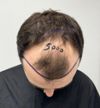
The user, on testosterone replacement therapy, found finasteride and minoxidil ineffective for hair loss. They are trying a new topical gel with dutasteride, tretinoin, and a higher concentration of minoxidil, and plan to document the results.
N-Acetyl-Cysteine (NAC) was found to improve hair parameters in men with early-onset androgenetic alopecia, showing increased terminal hair count and decreased vellus hair count, with good tolerability. NAC, used alone or with minoxidil, may help due to its antioxidant properties, though its effectiveness can vary among individuals.
The conversation discusses the potential of a new hair loss drug, CB-03-01, with users sharing their experiences and seeking advice on dosages and application methods. One user mentions using topical finasteride, minoxidil, dermarolling, and a clean diet for hair maintenance but is interested in CB-03-01 due to side effects from finasteride.
The group buy for CB-03-01, a topical anti-androgen for hair loss, was postponed and refunded due to issues with the product's form and solubility. The product, also known as Breezula, is an alternative to finasteride with fewer side effects, but its official release is delayed until 2021.
Eleven days after a hair transplant, the user has removed all scabs and plans to resume Oral Dutasteride and Oral Minoxidil. They will also start using a serum provided by the clinic and are sharing progress and clinic information privately to avoid negative comments.
The conversation discusses hair loss treatments, including Minoxidil, finasteride, and RU58841. It highlights an interview with Stemson Therapeutics CEO Geoff Hamilton about advancements in hair cloning technology.
JXL082 is not the same as PP405, leading to a halt in sales and a plan to synthesize the real PP405. There is skepticism about the safety and effectiveness of JXL082 and PP405, with concerns about patent issues and the long-term impact on hair growth.
The conversation humorously suggests that doing daily handstands can regrow hair by improving blood flow to the scalp, dismissing traditional treatments like finasteride and minoxidil. It satirically claims that gravity is the real cause of hair loss, with users joking about the effects of gravity on hair growth.
User shared progress pictures after 9 months of using minoxidil, finasteride, spironolactone, and estradiol for hair loss. Significant regrowth was noted, especially after starting estradiol.
LagRag revived their hair using finasteride, minoxidil, derma rolling, dermapen, and biotin shampoo. Users discussed the effectiveness and requested photos with different hair positions.
The conversation discusses hair regrowth using Scandinavian Biolabs products, biotin pills, a dermaroller, rosemary oil, and a silicone head cleaner. The user observes weak hair regrowth and seeks opinions on the results.
User shared a 10-month update after a 4000-graft hair transplant, using finasteride, minoxidil, hair density shampoos, hair oils, and vitamins. Replies suggest patience as crown growth can take up to 18 months.
OP is experiencing significant hair loss despite GFC and PRP treatments and has abnormal lab results. They are advised to consult a hair-focused dermatologist for further evaluation.
Hair cloning is being developed by companies like Kangstem Biotech and Stemson, with potential availability in a few years. Initial costs are expected to be high, but prices may decrease over time.
Pelage Pharmaceuticals raised $120M for their hair loss treatment, PP405, showing strong investor confidence despite limited data. There is skepticism about its efficacy and long-term effects compared to treatments like GT20029.
A hair transplant experienced by FC Barcelona goalkeeper Ter Stegen, who reportedly saw improved confidence and performance following the procedure. People discussed finasteride as an alternative treatment option for those unable to afford a transplant.
A female user's diagnosis of androgenetic alopecia, and the advice shared in response which suggests taking spironolactone and minoxidil together to prevent hair loss.
The conversation humorously discusses hair loss treatments like finasteride, minoxidil, and dutasteride, referencing a "Smiling Friends" episode. It includes jokes about hair loss, AI-generated images, and the show's satire on societal perceptions of baldness.
HMI 115 did not work as expected for hair regrowth in humans, unlike in macaque monkeys. There is anticipation for further research on prolactin's role in hair loss, with expectations that pharmaceutical companies will likely solve this before universities.
A phase 3 trial for Breezula (clascoterone solution) to treat male pattern hair loss has been listed, with 726 participants and a completion date of January 2025. Other treatments mentioned include Aneira Pharma's combination of minoxidil and latanoprost, Triple Hair's combination of minoxidil, latanoprost, and finasteride, and a new microneedling and LLLT device called StimuSIL.
A user shared an 18-month update on their crown hair transplant, performed by Jason Sorgi at Boston Hair Restoration, expressing satisfaction with the results. They continue to use oral minoxidil and finasteride to maintain hair health.
A user shared impressive progress at 4 months post-hair transplant with 5120 grafts by Dr. Ahmet Yildirim in Istanbul. The user expressed satisfaction with the results, which exceeded expectations.
A user shared their progress using liquid minoxidil for hair regrowth and plans to switch to foam minoxidil due to flaking. They asked if the foam version would maintain their results and mentioned considering adding finasteride and a derma pen soon.
The conversation is about creating a natural hair loss topical using ingredients like cetirizine, Zinc Sulphate Heptahydrate, Safflower Extract, Ricinoleic Acid, and others. The user is seeking input and collaboration on this topical formula.
The conversation discusses GT20029, a compound by Kintor Pharma that degrades androgen receptors and is in trials, with potential as a hair loss cure. Another promising treatment mentioned is an antibody that blocks prolactin and has shown positive results in macaques.