Mixing RU58841 with cetosomal minoxidil is discussed due to scalp irritation from ethanol PG vehicles. A mixture of the two turned bright pink when left to dry.
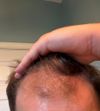
The user shared progress in hair regrowth using finasteride, minoxidil, a dermaroller, hair/nails gummies, and rosemaryoil. They expressed gratitude for the support from the group and relief about their appearance for an upcoming wedding.
The user has been using minoxidil, finasteride, ketoconazole shampoo, biotin, and microneedling for hair regrowth, noticing some improvement with baby hairs and a fuller front hairline. They are considering adding rosemaryoil and a dermastamp to enhance results, particularly around the thinning temple areas.
A 23-year-old is experiencing severe hair loss and has been using oral minoxidil for 5 months without success. They plan to use ketoconazole cream, emu oil, peppermint oil, evening primrose oil, taurine, black currant oil, and a microneedle roller, and are seeking advice on their routine.
The conversation discusses incorporating peppermint oil into a hair loss treatment routine alongside minoxidil and possibly considering other second line options before using peppermint oil. Some people apply peppermint oil after minoxidil's absorption period or use shampoos containing peppermint oil.
User applied topical Minoxidil 5% and Finasteride 0.1% daily, with rosemaryoil weekly, and saw initial baby hair growth. They plan to add derma stamping and Redensyl serum.
The post discusses a hair loss treatment regimen using saw palmetto, pumpkin seed oil extract, EGCG (green tea) extract, grape seed oil extract, rosemaryoil extract, and Zix. The user plans to use these DHT-blockers and 5AR inhibitors for six months and report the results.
Hair loss treatment involves gland treatment with iodine, liver extract, wild American ginseng, and black cohosh, along with crude oil scalp massage. The approach aims to stimulate hormones and improve blood circulation to promote hair growth.
Hair fall has stopped, but growth is slow after 4 months of using topical minoxidil and finasteride, along with weekly rosemary and peppermint oil. No side effects have been experienced so far.
The user has been using finasteride, nizoral, microneedling, and recently added 3% peppermint oil to their hair loss treatment, experiencing regrowth similar to minoxidil. They suggest peppermint oil as a potentially effective, low-cost alternative or addition to minoxidil, with the added benefit of a pleasant smell and ease of use.
The post and conversation are about a user seeing hair regrowth after using Rogaine, rosemaryoil, pumpkin seed oil, saw palmetto, microneedling, and LLLT. The user plans to add Nizoral soon and is hopeful about continued progress.
A user reports significantly reduced hair shedding by using a topical mixture containing 10% Minoxidil, 0.1% Melatonin, 5% Azelaic Acid, 5% RosemaryOil, and 5% Peppermint Oil, and attributes the success mainly to Melatonin. They also use a copper peptide serum (AHK-Cu) for hair growth and Ketoconazole shampoo for scalp cleaning, but have stopped using other treatments like Finasteride and RU58841.
The conversation discusses the use of Minoxidil and finasteride for hair loss and explores the potential of Geranium sibiricum extract as a safer alternative. It highlights the difficulty in finding this specific extract and suggests considering other plants with similar compounds, like Indian gooseberry.
The user found success in treating hair loss by using a derm stamp with castor oil, vitamin E oil, and rosemaryoil, alongside finasteride. The derm stamp, used every other day at 0.5 mm, significantly improved hair thickness and growth.
The conversation is about someone's hair regrowth after 1.5 months using natural treatments, specifically a dermaroller and a mix of peppermint, pumpkin seed, and rosemaryoils. A reply congratulates them and encourages them to maintain their routine.
A natural compound called C3A from Aronia Chokeberry can help prevent hair loss by counteracting the effects of DHT. The user has been taking 50 grams of dried organic Aronia Chokeberry daily for 30 days and will update with photos in 60 days.
A user discusses using dermastamping for hair loss and questions the timing of applying a mixture of peppermint oil, spearmint oil, rosemaryoil, and castor oil due to their anti-inflammatory effects. They wonder if waiting 10 hours after stamping would be more effective.
The conversation discusses a hair loss treatment routine involving daily minoxidil, finasteride, micro-needling, rosemaryoil, and biotin supplements. The user shares personal experiences, noting no side effects from finasteride and emphasizing the importance of a healthy lifestyle in preventing hair loss.
The user has been on finasteride for 16 months and is considering natural remedies like peppermint oil, rosemaryoil, saw palmetto, green tea extract, l-lysine, and oral castor oil to enhance hair growth in addition to finasteride. They are interested in the potential benefits of combining these natural treatments with finasteride to improve hair loss outcomes.
The conversation is about someone experiencing hair thinning at the temples and seeking alternative treatments to Minoxidil due to side effects. They are inquiring about the effectiveness of peppermint oil and dermarolling for hair growth.
The conversation is about a homemade hair loss treatment serum containing Procyanidin B2, Aloe Vera Gel, Coconut Oil, Castor Oil, and Rosemary Essential Oil. The main concern is finding an affordable source of Procyanidin B2 and ensuring its stability in the serum at room temperature.
Oleic acid and ethanol are being considered for hair regrowth, with some users planning to self-experiment. There is skepticism about their effectiveness, and ongoing use of treatments like finasteride and minoxidil is mentioned.
The conversation discusses a natural alternative to Minoxidil for hair loss, with users suggesting peppermint oil and rosemaryoil as potential weaker substitutes.
Using essential oil roller bottles makes applying minoxidil easier and more convenient. Oral minoxidil has potential side effects, including heart issues, while topical application is considered safer.
The user experienced side effects from using 1% finasteride and 2% minoxidil, including dermatitis, erectile dysfunction, and heart palpitations. They switched to using 2000mg pumpkin seed oil, saw palmetto capsules, and applying pumpkin seed oil and rosemaryoil twice a week, seeking feedback on results.
Hair loss progress discussed with 4.5 months on topical fin (0.025% liposomal). User uses rosemaryoil for scalp health, and others think there might be some thickening or maintenance.
Sulfur soap may help with hair thickening and reducing scalp inflammation, but it can cause dryness. Nizoral, containing ketoconazole, is noted for its potential to reduce seborrheic dermatitis but may also cause scalp dryness and hair loss.
The conversation discusses hair regrowth using Nizoral weekly and 1000mg of pumpkin seed oil daily. Users also mention using finasteride, rosemaryoil, and nutritional yeast for hair loss treatment.
The user has been taking oral minoxidil and finasteride for 10 months with no hair growth but no further hair loss. They are considering adding rosemaryoil and possibly returning to a topical solution.