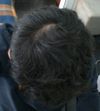
The conversation humorously discusses hair loss treatments, mentioning Minoxidil, finasteride, and RU58841. It jokingly suggests the creation of a new chemical called RU99999.
Actifolic RU-58841 powder and GhK-Cu peptide were tested and found to be accurate. The user is satisfied with the product's authenticity for hair loss treatment.
Female with aga tried minoxidil 5% and spironolactone, no success yet. Gladyator96 suggests waiting 6 months, adding tretinoin or dermarolling with minoxidil.
A user is seeking a new source for RU58841 in the EU after their previous supplier stopped selling it. They mention considering Anagen, Actifolic, Minoxidilmax, and rudirect, and are using a treatment mixing RU58841 with Stemoxydine and Alfatradiol.
Azelaic acid is discussed for its anti-inflammatory and anti-fungal properties, which can improve scalp health and potentially boost hair growth. It is suggested for topical use, especially alongside minoxidil.
The conversation discusses a new product from Actifolic, which combines RU58841 and GHK-CU for hair loss treatment. The participants are considering whether it's worth trying.
Minoxidil can cause face bloating, especially when combined with microneedling, as it may increase systemic absorption. Alternatives like Stemoxidine or Aminexil are considered, and some users find relief by adjusting application timing or switching brands.
The conversation is about using DIY copper peptide (GHK CU) serum for microneedling to address hair loss, with additional treatments including Nizoral for DHT reduction and red light therapy. The user is considering adding Minoxidil but is concerned due to having cats.
A user is seeking experiences with adenosine for hair loss, asking about its effectiveness, usage duration, and combination with treatments like minoxidil, finasteride, or RU58841. Another user mentions difficulty sourcing adenosine and comments on the mixed quality of research.
Intradermal botulinum toxin (BTX) injections effectively treat androgenetic alopecia (AGA) by inhibiting TGF-β1 secretion from hair follicles. Further research and long-term follow-up are needed to confirm these findings.
The user is experiencing hair loss, initially diagnosed as Telogen Effluvium due to stress, but is concerned it might be Androgenetic Alopecia (AGA). A suggestion was made to consider using Minoxidil or Finasteride if the condition worsens.
Pumpkin Seed Oil and Perilla Oil (with alpha-lipoic acid, linoleic acid, and oleic acid) are discussed as potential 5alpha-reductase inhibitors. The conversation focuses on their effectiveness for hair loss treatment.
A user shared their hair regrowth success using microneedling with a dermaroller every 6 days and minoxidil, recommending betadine (povidone-iodine) before microneedling to sterilize the scalp and enhance results. Another user noted the potential risks of iodine toxicity.
L. reuteri, a probiotic, is being explored for its potential benefits in treating androgenic alopecia, possibly enhancing finasteride's effects and reducing inflammation. The user combines this with finasteride, oral minoxidil, and other supplements, noting some improvement in hair loss.
The conversation is about the difficulty in obtaining GT20029, a hair loss treatment, due to patent issues and the need to resort to group buys or Chinese labs for acquisition. Specific treatments mentioned include Minoxidil, finasteride, and RU58841.
Minoxidil may age skin by slowing collagen synthesis, but using collagen peptides and a basic skincare routine might counteract this. Foam minoxidil could reduce systemic absorption and avoid alcohol-related side effects.
A user is seeking a European supplier for a 3-in-1 hair loss medication containing Minoxidil, Finasteride, and Biotin. Suggestions include using forwarding services and a UK-based provider, with discussions on potential import taxes.
Chime Biologics and Hope Medicine are speeding up the launch of a first-in-class antibody drug, HMI-115, for endometriosis and androgenic alopecia. The treatment involves a series of subcutaneous injections, has shown promising results in phase 1, and continues to promote hair regrowth even after the treatment is stopped.
Natural vitamins like pumpkin seed oil, saw palmetto, and ecklonia cava are discussed for their potential to lower DHT levels. They may work similarly to finasteride but are significantly weaker.
The user mixes their own RU58841 solution and found that increasing the ethanol content improved absorption and reduced scalp itching. A study on minoxidil showed that penetration increased with higher ethanol concentrations, reaching maximum penetration at 90% ethanol.
The user is experiencing significant hair thinning on the front scalp while taking oral finasteride and minoxidil. They are unsure if it's androgenetic alopecia or related to seborrheic dermatitis.
Minoxidil and finasteride are effective for hair loss, but natural oils like pumpkin seed oil and saw palmetto are not proven to be effective. Topical finasteride may be an option for those who cannot tolerate oral finasteride.
The user experiences histamine intolerance with alcohol-based hair loss treatments like Rogaine foam and seeks alternatives. Suggestions include alcohol-free and PPG-free topical minoxidil or finasteride, and trying Spectral products with different solvents.
Clascoterone in Winlevi, a topical AR antagonist, is being re-examined due to concerns about HPA axis suppression in adolescents, but it's unlikely to be banned for adult use in androgenetic alopecia (AGA). The European Medicines Agency recommended refusing Winlevi for acne vulgaris, but this may not affect Breezula's approval for AGA.
The user is seeking a new source for RU58841 in the EU after their previous supplier stopped selling it. They mention considering Anagen, Actifolic, Minoxidilmax, and rudirect, and ask for advice on shipping within the EU and product quality, while also mentioning their current hair loss treatment involves mixing RU with Stemoxydine and Alfatradiol.
A 33-year-old female with androgenic alopecia experienced alopecia areata patches after PRP treatment. She is seeking others' experiences with PRP worsening alopecia areata.
Laser caps are found to be more effective than 5% minoxidil for treating hair loss, and when combined with minoxidil, they are even more effective. Some users report positive results with laser treatments, while others see no change; the devices are FDA approved, but opinions on their efficacy vary.
GT20029 is a new hair loss treatment in Phase 3 trials in China, using PROTAC technology to target androgen receptors, potentially with fewer side effects than finasteride and minoxidil. VDPHL01, a second-generation minoxidil, is also mentioned as potentially more effective.
Minoxidil 5%, finasteride 1 mg, and L-arginine are discussed for male pattern baldness. L-arginine may help with blood flow but its effectiveness for hair loss is uncertain.