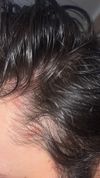
Combining Minoxidil with Peppermint or Rosemary Oil may enhance hair growth. Users discuss the potential benefits of this combination for treating hair loss.
Kintor plans to release pyrilutamide foam and a plant-based Koshine by year-end, with GT20029 progressing in their pipeline. Users are pleased about the absence of propylene glycol (PG) in the new products.
A user is using a mix of 15ml coconut oil and 6 drops of rosemary oil applied to the scalp three times a week for an hour before washing, seeking natural hair growth methods before considering medications. The user asks if this technique is effective and requests respectful advice.
The conversation discusses using 1% cetirizine, an antihistamine, as a potential treatment for androgenetic alopecia (hair loss). One user plans to try cetirizine instead of finasteride, while others are curious or skeptical about its effectiveness, discussing the role of inflammation in hair loss.
The conversation is about someone experiencing hair thinning at the temples and seeking alternative treatments to Minoxidil due to side effects. They are inquiring about the effectiveness of peppermint oil and dermarolling for hair growth.
The conversation discusses using peppermint oil for hair loss, with one user applying it undiluted to the scalp and another combining it with finasteride and microneedling. Some believe in its effectiveness despite limited scientific evidence, and also mention rosemary oil as potentially beneficial.
A user shared their experience with a homemade essential oils shampoo for hair loss after stopping finasteride due to side effects. They reported healthier, shinier hair and new body hair growth but no scalp regrowth yet.
The conversation is about choosing a topical antiandrogen for hair loss, with options including RU58841, CB0301, Pyrolutamide, Alfatradiol, and Fluridil. Users discuss their preferences and reasons for selecting specific treatments.
A user shared progress pictures showing hair improvement after using a dermaroller and a mix of rosemary oil with jojoba oil three times a week for less than six months. Another user asked for clarification on the frequency of dermarolling and oil use.
The treatment for androgenetic alopecia involves using finasteride and minoxidil with intense exercise and cold exposure to boost metabolism and reduce androgenic effects, potentially leading to hair regrowth. This approach may activate biological pathways for improved hair and overall health.
RootBioTec, a basil hairy root extract, claims to reduce hair loss by 31% in two months by inhibiting 5α reductase II and stimulating hair follicles. There is limited independent information available about its effectiveness.
The user is experiencing scalp irritation and hair thinning, possibly due to stress, with red patches on the face and dry skin. They are considering seeing a dermatologist and have used tea tree and rosemary oil.
The post discusses allergens in everyday shampoos and skincare products, listing yearly allergens from 2000 to 2023. It suggests that these chemicals might contribute to acne and hair loss.
The user experienced significant hair improvement using rosemary and peppermint oils, alongside minoxidil, after other treatments like finasteride and pyrilutamide showed no results. They noticed reduced hair shedding and thicker hair, particularly in the mid and crown areas.
Pyrilutamide, a potential topical treatment for male pattern baldness, and the user's anticipation of its Phase 2 trial results. Several users discussed their experiences with Finasteride and RU58841, while others voiced skepticism about the efficacy of Pyrilutamide.
The conversation is about finding a legitimate online source for 17α-estradiol (Alfatradiol) powder to make a 0.1% solution for hair loss treatment. A user suggests Anagenica as a source.
The user experiences an itchy scalp and finds relief using shampoo and Zyrtec, which helps with inflammation. They are unsure if the issue is related to histamines or seborrheic dermatitis.
Orient Bio is developing a PLGA formulated version of Cyclosporine A to stimulate hair growth without its immunosuppressant effects. Users discuss various treatments like Clascoterone, PP405, minoxidil, and tacrolimus, expressing hope for new developments and sharing personal experiences with these treatments.
The user applies a topical solution containing minoxidil, finasteride, dutasteride, retinoic acid, and hydrocortisone to address scalp inflammation and is considering adding cetirizine to the mix. They are calculating the correct amount of cetirizine to add to their formula and have paused this approach to retry oral minoxidil.
The conversation discusses using a combination of DHT gel, dutasteride, pyrilutamide, and minoxidil to promote beard growth while minimizing hair loss. Users suggest consulting a doctor and considering genetic factors before proceeding.
The conversation discusses using gartanin from mangosteen mixed with castor oil to degrade the androgen receptor for hair loss treatment. Alternatives like setipiprant, minoxidil, and dermastamping are also mentioned, with concerns about cost and potential side effects.
Pyrilutamide, a potential hair loss treatment that has recently been released for sale, and is thought to have similar efficacy to Dutasteride without side effects. It was discussed in terms of its effectiveness compared to Finasteride, its use by females, and whether it can be safely mixed with RU58841.
Pyrilutamide, a possible hair loss treatment, ceasing to be traded due to patent laws; and the hope that this indicates it may be a legitimate treatment.
FCE 28260 (PNU 156765), an under-explored 5α-reductase inhibitor, showcases promising results in research by Giudici et al., outperforming well-known treatments like Finasteride in reducing the conversion of testosterone to DHT. Its superior efficacy, demonstrated through lower IC50 values in both natural and human recombinant enzyme studies, suggests it could offer more effective management of DHT-related conditions. Additionally, its lower molecular weight hints at better potential for topical application, potentially offering advantages in treating conditions such as androgenic alopecia. Despite its potential, it has not advanced in development, possibly due to financial limitations, leaving its therapeutic prospects and side effect profile largely unexplored.
The user has been using minoxidil for 5 months, and added peppermint oil and dermarolling with a 0.5mm roller to their routine 2 months ago. They are happy with the hair regrowth observed since starting the new treatments.
A user's experimentation with various hair loss treatments, including medications and topical applications; as well as their desire to experience unusual sensations through the use of drugs.
The user is trying Hair + Me's 5% minoxidil and 0.1% finasteride topical, which has a different carrier and pleasant smell compared to traditional alcohol-based formulas. They are seeking feedback on its effectiveness compared to classic formulas.
The user experiences side effects from minoxidil and is considering alternatives like stemoxydine and adenosine for hair regrowth and density, but finds options like caffeine and various oils unreliable. They are also using a 5AR inhibitor (finasteride).
Alfatradiol is used by some for hair loss, often alongside treatments like finasteride, RU58841, and minoxidil, but its effectiveness is unclear. Some users report no significant improvement, while others note reduced sebum production but experience side effects like gallbladder pain.