Hair regrowth treatments for cis-males include Minoxidil, Finasteride, and RU58841. Estrogen and testosterone blockers can help restore hair loss but may not suit everyone.
A user experienced puffy nipples and lumps from finasteride, leading to a dilemma between continuing treatment with potential surgery or accepting hair loss. They restarted finasteride at a lower dose with supplements but still face side effects and are seeking advice on whether to persist or stop.
A new technique developed by scientists in Japan to reverse balding using hair follicle cell transplants, and the discussion around the effectiveness of this approach compared to other treatments such as Minoxidil, finasteride, RU58841, Replicel, and Hairclone.
The conversation is about using a 1mm derma roller for hair loss treatment, including cleaning the scalp with isopropyl alcohol and using castor oil mixed with coconut or olive oil afterward. The user seeks advice on the routine and mentions expected gains.
The conversation discusses hair loss treatments, specifically Minoxidil, finasteride, and RU58841. It also mentions a new hair transplant therapy approved by the government.
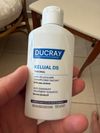
The user treated seborrheic dermatitis by cutting sugar, improving sleep, using four different shampoos, and occasionally using steroids. Their hair is growing back thicker and new hair is appearing.
Peppermint oil and olive oil are being used to potentially improve hair growth, with some initial observations of stronger, thicker hair. Another user is using a mix of peppermint, coconut, castor, and rosemary oils, noting healthier and softer hair but no significant regrowth yet.
Minoxidil can cause facial side effects like puffiness and dryness, but using facial moisturizers, cleansers, and drinking water can help improve skin appearance. Despite hair shedding and quality concerns, the user resumed Minoxidil while maintaining a skincare routine for better facial health.
Hair loss can stabilize at a certain level and may not be permanent, especially if hormonal. The user experienced hair regrowth after using fish oil and derma rolling, but is hesitant to use Minoxidil or finasteride.
The conversation discusses the appearance of new baby hairs with treatments like castor oil, finasteride, minoxidil, and dermarolling. Users note that baby hairs often go unreported after initial excitement, with some seeing growth and others losing interest in updates.
The user tried various treatments for hair loss, including finasteride, vitamins, Saw Palmetto, beta sitosterol, pumpkin oil, borage oil, stinging nettle, and emu oil. They recently noticed tiny black hairs, suggesting some improvement.
A user stopped using 1mg finasteride and 5% minoxidil due to cost and fear of side effects but experienced increased hair loss after discontinuation. They restarted the treatments, hoping to regain lost hair, and were advised that while finasteride is better for maintenance and minoxidil for regrowth, results vary and green tea is unlikely to affect hair loss.
A 33-year-old man is concerned about potential hair loss, comparing his hairline to his father's and noticing increased shedding and thinning. He is considering treatments like Minoxidil and Finasteride but is unsure if he has male pattern baldness.
A 22-year-old's experience with receiving a hair transplant and the use of Minoxidil, finasteride, RU58841, Lidocaine shots, and platelet injections to treat hair loss.
The user felt pressured during a hair transplant consultation at Bosley, where they were advised to undergo FUT surgery and use a laser cap for maintenance, but did not meet with a doctor. Other users recommended seeking a second opinion from reputable doctors like Dr. Rassman and suggested trying finasteride first.
Dutasteride often stops hair loss quickly, with some users noticing reduced shedding and thicker hair within a few months. Some users combine it with minoxidil for better results, though side effects like lower libido and initial shedding are common.
A user shared their positive experience with MoriTint, a Korean scalp micro pigmentation technique that enhances the appearance of hair density without being permanent. They now offer this service in Los Angeles and emphasize its benefits for those with thinning hair, while clarifying it is not suitable for those with significant hair loss or baldness.
Oral dutasteride and topical Minoxidil are used to treat hair loss, with the goal of suppressing DHT and improving hair density. The effectiveness depends on genetics and the duration of baldness, and lifelong treatment may be necessary to maintain results.
Adding an LLLT laser cap to a routine of finasteride, minoxidil, and ketoconazole shampoo significantly reduced hair shedding from 200+ hairs a day to around 80, improving scalp health. The user attributes the laser cap as the key factor in stabilizing hair loss after two years of using other treatments.
The user shared their 10-month hair loss treatment progress using Finasteride, Topical Minoxidil, and microneedling, noting significant improvement in their hairline. They also mentioned that Finasteride helped with acne, and other users discussed additional treatments like tretinoin and observed hair regrowth patterns.
A 26-year-old male with early hair thinning is using finasteride, topical minoxidil, and supplements for deficiencies in iron, B12, and vitamin D3. He is considering adding oral minoxidil to his treatment plan.
Hair loss treatments like minoxidil, finasteride, dutasteride, and RU58841. Users stress early prevention and discuss challenges with different hair loss patterns.
The user has been using Minoxidil since 2024 and topical finasteride since January 2026, but their hair continues to thin, and they are seeking hairstyle advice. They have also tried a dermastamp and ketoconazole shampoo, and are considering buzzing their hair for a more balanced look.
A participant using Veradermics VDPHL01, an extended-release oral minoxidil, experienced significant hair regrowth from Norwood 6 to Norwood 3V without side effects. They plan to use dutasteride after the treatment to maintain results.
The user has been using finasteride for three years and topical minoxidil, and while they feel they've lost some ground in the last 18 months, most responses suggest their hair looks the same or even fuller. The general consensus is that the treatments have maintained the hair well, with some users suggesting additional treatments like derma stamping or dutasteride for further improvement.
Minoxidil is effective for many users, with some experiencing initial shedding before seeing regrowth, while others report side effects like facial edema and heart pain. Combining minoxidil with finasteride or other treatments can enhance results, but individual experiences vary widely.
Hair loss treatments like finasteride and minoxidil take time to show results, often requiring 6-12 months for noticeable improvement, especially at the temples. Users suggest patience, as initial shedding is common, and full benefits may not be seen until a year of consistent use.
Finasteride is likely causing beard thinning due to its anti-androgen effects, which reduce DHT levels necessary for thick facial hair. Some users suggest using minoxidil to potentially counteract this effect, while others note that stopping finasteride may allow the beard to regrow.