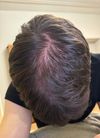
The user is seeking advice on preserving hair follicles at Norwood stage 6 or 7 while waiting for new treatments. They are considering using treatments like Minoxidil, finasteride, or RU58841.
A user shared progress pictures 7 months after a hair transplant of 4600 grafts at Medart Hair in Istanbul, costing $2850 USD. They are using finasteride, vitamins, Procapil spray, a derma roller, and plan to start minoxidil soon.
The conversation is about hair regrowth and treatments for hair loss, specifically discussing the use of minoxidil, dermarolling, and finasteride. Users suggest starting finasteride to prevent further hair loss and potentially regrow thicker hair, while some express concerns about its effects on sperm count.
A dermatologist prescribed alternatives to Minoxidil and Finasteride for hair loss. Users recommend sticking with Minoxidil, Finasteride, or Ketoconazole shampoo and suggest seeking a second opinion.
A user experienced hairline improvement after four weeks on 1.5mg dutasteride but had side effects like reduced libido and sensitive nipples. They plan to switch to finasteride to manage these side effects.
A dermatologist advised stopping minoxidil due to heavy shedding, suggesting alternative treatments like Betaval Lotion and supplements, but many users disagreed, recommending continuing minoxidil and adding finasteride for better results. The conversation highlights skepticism about the dermatologist's motives and emphasizes the importance of understanding the type of hair loss before choosing treatments.
Creatine may cause hair loss in some individuals, especially those on finasteride, despite no scientific link. Personal experiences suggest individual sensitivity to DHT could be a factor.
Switching from dutasteride to finasteride caused increased hair loss, dandruff, depression, and erectile dysfunction. The user plans to return to dutasteride, possibly with minoxidil, and is considering dosing strategies to manage side effects and regrowth.
A 45-year-old male used topical Minoxidil 12.5% and Finasteride 0.5% nightly for a year, with noticeable hair improvement and no side effects. He also used a dermal roller monthly and continued using creatine, attributing his hair's healthier appearance to the treatment.
A 19-year-old experiencing hair loss for two years is using Minoxidil and considering starting Finasteride immediately. A user advises starting Finasteride quickly, as Minoxidil alone won't stop hair loss.
A 23-year-old experiencing severe diffuse thinning after scalp inflammation is considering finasteride as a last resort after stopping minoxidil and using anti-inflammatory medication. Users suggest that inflammation causes temporary shedding and recommend consulting a dermatologist, with some advocating for finasteride as a reliable treatment option.
Minoxidil regrowth may be slowed by low vitamin D and ferritin levels. The user is experiencing slow hair regrowth and is considering addressing these deficiencies.
The user is experiencing increased hair shedding, scalp sensitivity, and itching despite using finasteride for four months, and has tried various shampoos without relief. They are advised to consult a dermatologist for potential scarring alopecia and consider other treatments like adding Dutasteride.
The user has been using oral finasteride and topical minoxidil for three years, seeing some regrowth initially but mostly maintenance afterward. Suggestions for further improvement include trying dutasteride, RU58841, or a hair transplant.
A 21-year-old male has been using dutasteride, minoxidil, ketoconazole shampoo, and microneedling for hair loss, with plans to increase minoxidil dosage. He is experiencing no side effects and is planning a trichoscopy to assess hair regrowth.
Minoxidil 5% alone is not enough for significant hair regrowth; combining it with finasteride or dutasteride is advised. A hair transplant might be needed, depending on baldness extent and donor area quality.
A 20-year-old engineering student discusses balding experiences with barbers, mentioning treatments like PRP and rosemary oil masks, which slowed but didn't stop hair loss. The conversation humorously touches on the stereotype of engineers balding due to stress and suggests considering treatments like finasteride.
Microneedling, combined with finasteride and minoxidil, appears to enhance hair growth, with users reporting noticeable improvements. The process involves using a 0.5mm derma roller, which some believe increases blood flow and stimulates hair follicles.
The conversation discusses hair loss treatments, specifically the use of topical minoxidil and derma-stamping, with suggestions to add finasteride or dutasteride for better long-term results. Ketoconazole shampoo is also considered for scalp health.
A user shared their positive experience with finasteride and minoxidil for hair regrowth, reporting no side effects and recommending early treatment for hair loss. Others discussed their experiences, side effects, and questions about dosages and application methods.
A 19-year-old using finasteride for hair loss seeks advice on additional treatments. Suggestions include microneedling, minoxidil, and ketoconazole shampoo, with concerns about side effects discussed.
A 35-year-old man used minoxidil 5% and biotin 5000 mcg for six months, resulting in significant hair regrowth. He experienced initial shedding but avoided finasteride due to potential side effects.
An 18-year-old is using a high-dose treatment for hair loss, including 2.5 mg dutasteride, topical minoxidil, and injectable GHK-Cu, despite minimal hair loss. Many users suggest reducing the dutasteride dose due to potential side effects and recommend starting with finasteride instead.
GT20029 and PP405 are discussed as potential alternatives or complements to finasteride for hair loss treatment. GT20029 is entering phase 3 trials, while PP405 is seen as promising for regrowing hair and possibly eliminating the need for other treatments.
A user experienced significant hair regrowth after 3.5 months using topical minoxidil and weekly derma rolling. Others discussed enhancing results with finasteride, ketoconazole shampoo, and microneedling.
A humorous discussion about a newborn's hair loss, jokingly suggesting treatments like Minoxidil, finasteride, and various other hair loss remedies. Participants humorously debate extreme measures, including shaving or using a "nuclear stack" of treatments.
A 21-year-old male uses minoxidil, finasteride, and dutasteride for hair loss but still experiences progression with high DHT levels. Suggestions include increasing dosages, checking for deficiencies, considering a hair system, or consulting a specialist.
PP405 significantly improves hair density, outperforming finasteride, with 31% of users seeing over 20% improvement in four weeks. Concerns exist about its availability, cost, and long-term effects.
The user experienced noticeable hair regrowth after using 2.5mg minoxidil and 1mg finasteride for three months. Other users suggested adding dermarolling and discussed the benefits of combining treatments like finasteride and minoxidil for hair loss.
The conversation is about a user's hair transformation using a routine that included dermastamping, minoxidil, finasteride, ketoconazole, and rosemary oil. The user later stopped using minoxidil and rosemary oil due to greasiness, continuing with finasteride, dermastamping, and ketoconazole.