TWIST-1 gene's role in hair loss and potential as a treatment target. Inhibiting TWIST-1 may prolong hair growth and reduce hair follicle sensitivity to DHT.
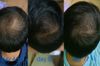
User's 2-month progress with hair loss treatment includes Ket 3x a week, Min 2x a day, Dut 0.5 every other day, Vit D 125mcg daily, and PRP once a month. Users discuss treatment effectiveness, side effects, and alternative solutions.
The conversation discusses hair loss and specific treatments like Minoxidil, Finasteride, and RU58841. It also highlights Procyanidin B-2 as a secret ingredient for hair growth.
Intradermal botulinum toxin (BTX) injections effectively treat androgenetic alopecia (AGA) by inhibiting TGF-β1 secretion from hair follicles. Further research and long-term follow-up are needed to confirm these findings.
A dermatologist recommended a new supplement containing annurca apple, which reportedly doubles hair density and increases keratin after 60 days, to be used with finasteride. Some users are skeptical, considering it potentially ineffective or a marketing ploy, while others are open to trying it if it proves effective and affordable.
User experienced hair thickening with pyri but also side effects like reduced sex drive. Stopping pyri and returning to CB restored sex drive, suggesting pyri may go systemic or be incorrectly formulated.
GHK-Cu is being considered for hair growth, but users report mixed results. Some use it alongside other treatments like 5AR inhibitors, making it hard to determine its effectiveness.
The user has been using finasteride for years with little regrowth and recently started using Cécred edge drops, which have significantly improved their scalp condition. Another user mentioned combining Cécred with derma stamping for better results.
Hair loss treatment should target dermal white adipose tissue (DWAT) to restore hair follicles. Potential remedies include tocopherol (vitamin E), botox, rosiglitazone, niacin, kojyl cinnamate esters, and ADP355.
A user shared their 2-month progress using a topical solution with 6% Minoxidil and 0.3% Finasteride, applied nightly with a dropper. They reported no side effects and plan to update every 2 months.
The conversation discusses skepticism about the effectiveness of scalp tension theory and scalp massagers for hair regrowth, contrasting it with treatments like finasteride and minoxidil, which have more user-reported results. Participants question the belief in scalp tension theory, suggesting it may be a marketing tactic, while others argue for a multifactorial approach to hair loss.
Hair loss may be linked to the TRPS1 gene and protein, not just DHT. Amplifica's AMP-303 targets mesenchymal stem cells and shows promise in treating hair loss, unlike Pelage's PP405.
Kintor's Phase II U.S. trials for pyrilutamide and the process of pharmaceutical drugs coming to market, with a reply from someone who has just ordered 500mg of Pyrilutamide to start their own phase trials.
Hair loss treatments discussed include microneedling, minoxidil, tretinoin, finasteride, dutasteride, pumpkin seeds, saw palmetto, and scalp massage. The consensus is that finasteride or dutasteride is necessary for significant regrowth, while other methods may only slow hair loss.
The conversation is about choosing an anti-androgen for hair loss treatment, with options being alfatradiol and pyrilutamide. Alfatradiol is considered a better choice due to its established use, while pyrilutamide is more experimental.
The user reports that using topical Dutasteride has stopped their hair loss, and they are curious about potential side effects and regrowth. They also mention having scalp psoriasis and past SSRI use affecting libido.
The post and conversation discuss different methods of applying hair loss treatments directly to the scalp. The original poster suggests using a 1ml TB Syringe & Ophthalmic Cannula for precise application, while others share their own methods, including sprays, droppers, and simple syringes.
The conversation discusses the potential market release of a hair loss treatment called GT20029 by Anageninc, with users expressing interest and discussing the importance of safety and effectiveness. Some users plan to contact Anageninc to show demand for the product.
The conversation discusses GT20029, a compound by Kintor Pharma that degrades androgen receptors and is in trials, with potential as a hair loss cure. Another promising treatment mentioned is an antibody that blocks prolactin and has shown positive results in macaques.