User wants to make homemade topical finasteride to minimize side effects and asks about using glycerin, stirring time, storage, and alternative solvents. Another user's comment is unclear.
High-dose Lysine and Histidine supplements caused curly/kinky hair and shedding due to Elastin dysfunction. Minoxidil, white tea, and dark grape juice were mentioned as treatments to inhibit Elastase and mimic Lysyl Oxidase.
Mixing ketoconazole 2% shampoo with coal tar and salicylic acid for seborrheic dermatitis is discussed, with users sharing experiences and alternative treatments like sulfur soap and scalp massage. Some users report success with these methods, emphasizing the importance of avoiding irritants and maintaining scalp health.
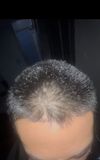
The conversation discusses treatments for scalp inflammation, suggesting options like scalp massage, changing shampoos, using aloe vera, Tgel, nizoral shampoo, topical cetirizine, and consulting a dermatologist. Finasteride was mentioned as helpful for reducing inflammation, but with side effects.
A young male in his twenties discusses hair loss, mentioning the use of Minoxidil, topical finasteride, and occasional derma rolling. He inquires about scalp inflammation, fibrosis, and the potential benefits of magnesium oil and scalp massages for improving blood flow and hair health.
A user shared their experience with hair transplant scab removal, noting that most scabs came off easily without bleeding by using oil and shampoo. They sought advice on whether any hair was lost during the process, and others reassured them that no hair was lost and to trust the healing process.
Tretinoin and microneedling both enhance hair growth through different mechanisms, with microneedling being considered safe for long-term use. Optimal microneedling needle length varies, but 0.8 mm is suggested for hair growth, and a Dermastamp is recommended to avoid skin damage.
The potential of verteporfin to heal wounds without scarring; however, despite its promising preclinical trials and coverage from a major media outlet, there is still no official clinical trial result and the drug has only garnered attention from hair loss communities.
The post argues that Post-Finasteride Syndrome (PFS) is likely not real and suggests symptoms may be due to mental health issues or the nocebo effect. The conversation includes personal experiences with finasteride, highlighting both positive and negative effects, and emphasizes consulting doctors and using reliable sources for medication.
Managing seborrheic dermatitis using ketoconazole shampoo, Nizoral, and oils like MCT and coconut oil. The user considers shaving their head and consulting a dermatologist.
The conversation discusses the differences between PG/Ethanol and KB solutions for RU58841 application, focusing on potential scalp irritation. KB solution is suggested for those allergic to PG, though both contain ethanol which can dry the scalp.
Switching from 2% liquid minoxidil to 5% foam minoxidil reduced scalp irritation but increased eyebrow flakiness and thinning. The user speculates that propylene glycol in the liquid formulation might have been protecting against seborrheic dermatitis while causing contact dermatitis.
A 37-year-old male resolved scalp folliculitis by adopting a low-histamine diet and taking Vitamin A, Zinc, and Fish Oil, leading to better skin health and thicker hair. He warns about the potential toxicity of excessive Vitamin A intake.
A person with hair loss due to seborrheic dermatitis saw improvement after treating the condition and using 5mg oral minoxidil, topical minoxidil, collagen, biotin, and vitamins. They are asking if the progress is real, and others have noted the oral minoxidil as a significant treatment.
Microneedling does not prevent future hair transplants, but some surgeons report the skin becomes "harder" in treated areas. There is no clear evidence to confirm this effect.
A user reversed hair loss using 10% sulfur soap, which reduced scalp inflammation and possibly demodex mites. The user did not use finasteride or minoxidil, suggesting inflammation may contribute to hair loss.
Disinfecting microneedlers is important to prevent infection, with suggestions to use high-percentage alcohol or denture tablets for sterilization. Rollers may cause skin damage, so stamps or pens are recommended for safer microneedling.
Concerns about the potential systemic effects and safety of PP405 for hair loss, with discussions on its comparison to existing treatments like finasteride and minoxidil. Users express skepticism about untested research chemicals and emphasize the importance of clinical trials to ensure safety and efficacy.
Norwood 7 hair loss is often excluded from trials to ensure treatments appear more effective and to reduce costs. Some believe treatments effective for Norwood 5 could work on Norwood 7, but companies prioritize market readiness.
A user is seeking a sodium lauryl sulfate-free ketoconazole shampoo for hair loss treatment. They are unable to find one and are asking for recommendations.
The hair transplant at Eugenix in New Delhi resulted in poor density and texture, with only about 2,500 grafts surviving out of 4,500. The user is considering holding the clinic accountable and exploring options like shaving, using hair fibers, or seeking another transplant.
A dermatologist prescribed Betnovate scalp, a corticosteroid, for a 21-year-old male's hair loss due to DHT. The individual is considering using Nizoral shampoo, topical finasteride, a derma roller, and minoxidil, but is unsure about the effectiveness of two other products suggested by the dermatologist.
The conversation discusses preventing infection from derma stamping for hair loss treatment, with suggestions to reduce needle depth and consider alternatives like tretinoin. The user experienced irritation possibly from zinc chloride and stopped using the shampoo and derma stamping.
A 32-year-old male with diffuse thinning and seborrheic dermatitis has been using finasteride for 8 months without improvement. He is considering COQ10 + PQQ supplements for scalp inflammation and hair loss.
The user experienced severe scalp itching after using RU58841 and ketoconazole shampoo, despite trying moisturizing treatments. They suspect the issue is related to the propylene glycol in the vehicle and are seeking alternatives.
User experienced scalp irritation from Kirkland 5% liquid minoxidil, likely due to propylene glycol. They are seeking non-PG liquid alternatives that are affordable.
Someone's brother tried Platelet-rich plasma (PRP) for hair loss; it had minimal effect on hair but improved skin appearance. Microneedling at home was suggested as a more sustainable alternative.
