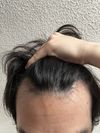
Clascoterone 5% solution is not yet commercially available, with only the 1% solution currently sold for acne. Users discuss the potential of Clascoterone as a hair loss treatment, comparing it to other anti-androgens like RU58841 and Eucapil.
Pyrilutamide (KX-826) is discussed as an anti-androgen treatment for hair loss, with mixed user experiences. Some users report no results, while others find it mildly effective.
Clascoterone is promising for hair loss, showing 24.5% improvement in satisfaction compared to placebo. Users consider it an alternative to finasteride, with concerns about absorption and side effects.
CB-03-01 is a topical anti-androgen with low absorption, offering potential as a side-effect-free alternative to Finasteride/Dutasteride for hair loss. It's in stage 2 clinical trials for acne and showing promise for male pattern baldness.
The user is using 1mg oral finasteride, 1.25mg oral minoxidil nightly, and ketoconazole shampoo weekly for hair loss, reporting no side effects. They self-prescribed after inconsistent use of topical minoxidil, using Lonitab from Intas pharmaceutical.
Amplifica's new injectable treatment for androgenetic alopecia shows a 15% increase in hair thickness and coarseness in 60 days. The treatment is in early human trials and offers a promising alternative to hormone-related hair loss treatments.
A new product, Minoxidil booster, which enhances sulfotransferase enzyme activity in the scalp, is now available. The user has started using this product, applied before Minoxidil, to improve their hair loss treatment results.
Tretinoin combined with minoxidil is effective for hair loss and can be used once daily. The user seeks a compounding pharmacy to mix these without finasteride.
A user developed a rash after 3 years of using Kirkland minoxidil foam, possibly due to a change in ingredients. They are considering switching to Foligain or Rogaine foam to avoid further issues.
A user shared their progress using liquid minoxidil for hair regrowth and plans to switch to foam minoxidil due to flaking. They asked if the foam version would maintain their results and mentioned considering adding finasteride and a derma pen soon.
A user discusses an Iranian hair loss treatment brought by their mom, questioning its effectiveness. Replies mention that Kopexil, an ingredient in the product, is different from Minoxidil and less tested.
The conversation discusses using a hair wax containing propolis and Eruca sativa seed oil for hair growth. It also mentions treatments like Minoxidil, finasteride, and RU58841.
Dr. Muñoz's discovery suggests that targeting potassium channels in fibroblasts could reactivate hair growth, offering new treatment possibilities for alopecia. Potential strategies include using minoxidil, diazoxide, and other potassium channel openers, as well as bioelectric devices and direct growth factor applications.
The user started a hair loss treatment with a topical solution containing 0.1% Dutasteride, 7.5% Minoxidil, 0.0125% Tretinoin, and Biotin, along with a multivitamin, Ashwagandha, CBD oil, Retinol, and Caffeine Solution. They experienced some shedding and scalp irritation, leading to a reduction in the use of the caffeine solution.
The user experienced significant hair shedding despite long-term use of finasteride and minoxidil, considering switching to dutasteride and increasing minoxidil dosage. Suggestions included trying topical minoxidil and adding a topical antiandrogen, but avoiding RU58841.
The conversation is about a user assessing their hair loss as Norwood 1.5 and discussing their use of oral minoxidil and finasteride for 2.5 years, which improved their hair density. They are content with their current progress but hope to reach Norwood 1.
User "Number_Worried00" is using a treatment stack for hair loss, including Minoxidil, Finasteride, Dutasteride, Estradiol, Cetirizine, and Pyrilutamide. Another user suggests that if the cause is vitamin deficiency or inflammation, the stack may not be effective.
The user is experiencing an itchy scalp after six months of using dutasteride and minoxidil, suspecting dutasteride as the cause. They are seeking advice on how to alleviate the itch without stopping the treatment.
A user is considering mixing 5% topical minoxidil with Alpecin Caffeine Liquid to enhance its effect, while also using oral finasteride. They seek feedback on potential efficacy loss and downsides of this mixture.
The user improved their hair loss from a Norwood scale 2.5/3 to 1.5/2 using treatments including 2.5 mg dutasteride, RU58841, 15 mg oral minoxidil, isoflavones, NAC, pumpkin seed oil, NAD+, and Vipelin, but still experiences temple recession. Other users expressed concern over the high dosages of oral minoxidil and dutasteride.
A user discusses using a mixed solution with minoxidil 2%, hydrocortisone butyrate, and estrone in the morning, and considering adding 5% minoxidil at night. They also use Restax softgel but avoid finasteride.
Minoxidil alone is just as effective as when combined with tretinoin and azelaic acid for hair loss. People adding tretinoin and azelaic acid to minoxidil may not see the expected benefits.
User made progress with hair loss using Fin, Min, and microneedling. Experienced side effects like improved skin, brain fog, and memory issues, but adjusting Fin dosage helped.
After jaw surgery caused intense hair shedding and scalp itch, using pyrilutamide significantly reduced these symptoms. It's suggested to test pyrilutamide for authenticity before use, despite positive personal experience with the product from MV Supplements.
, I’m on fin as well.
This conversation discussed the user's successful results from 5 weeks of taking an oral minoxidil medication and their experience with hair shedding while using it in combination with finasteride.
A 39-year-old shared a 17-month hair loss treatment update using Dutasteride, Minoxidil, Nizoral shampoo, and a 1.5mm derma roller, noticing significant results after 9-12 months. They also maintain a healthy lifestyle and manage side effects like dry skin with moisturizer.
Hair loss discussion focuses on adding an anti-androgen to stack with topical finasteride. Eucapil (fluridil) is suggested for its safety and minimal side effects.