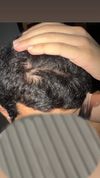
User starts Nuclear Stack treatment for hair loss, including Dutasteride, Minoxidil, RU58841, Derminator 2, and supplements. Seeks advice on storing and dosing RU58841.
The conversation discusses diffuse unpatterned alopecia (DUPA) and its possible causes, including sensitivity to DHT, not being androgenic alopecia, being diffuse alopecia areata, or hormonal issues. Treatments mentioned include topical melatonin, Clobetasol Propionate for alopecia areata, and the lack of results from using finasteride, dutasteride, and minoxidil.
Male androgenetic alopecia is commonly treated with topical minoxidil and oral finasteride, both requiring continuous use. Other options include hair restoration surgery, dutasteride, light therapy, and camouflaging agents.
The user switched from finasteride to dutasteride for hair loss treatment, but experienced increased libido, itchy scalp, and accelerated hair loss. Another user suggested that genetic variations might cause dutasteride to be less effective and recommended checking for specific genetic markers.
Low testosterone and estradiol may contribute to hair loss, and blocking DHT without sufficient hormone levels might hinder regrowth. The discussion highlights the importance of hormone balance, with some considering supplements and lifestyle changes to support hair health.
Hope Medicine's announcement of the HMI-115 Phase II clinical trial for androgenetic alopecia in China; other related trials have been conducted or are ongoing in different countries, including Australia, US, and Europe. There is speculation that the product may be accepted across borders without additional testing.
User experienced severe brain fog and anxiety from oral dutasteride and is considering dutasteride injections with PRP for hair loss, while currently using finasteride and oral minoxidil. They seek others' experiences with dutasteride mesotherapy and its side effects.
Dutasteride can drastically reduce sebum production, leading to dryer hair and shedding. Alternating shampoos and periodic silica supplementation can improve hair quality and thickness.
White rice may lower DHT and potentially cause symptoms similar to post-finasteride syndrome. The user experienced muscle wasting, depression, and other symptoms after consuming large amounts of white rice.
A 15-year-old experiencing hair loss and anxiety is using minoxidil and microneedling but is advised against starting finasteride or dutasteride due to age. The discussion emphasizes consulting a doctor, considering hormonal evaluations, and exploring non-medication coping strategies.
The conversation is about finding a solution for scalp inflammation related to AGA, with the user expressing frustration that Minoxidil and Finasteride do not address inflammation. The user has researched glucocorticoids and topical NSAIDs for reducing inflammation and seeks advice from specialists.
A 33-year-old male is experiencing thinning at the temples and hairline, with increased shedding over the past year. The user suspects androgenetic alopecia (AGA) despite AI suggesting a maturing hairline.
The user is concerned about hair loss despite taking finasteride and has a hair transplant scheduled. They experience scalp itching and burning, which hasn't been relieved by various treatments, and another user suggests using ghk-cu & ahk-cu serum and Koshine kx-826/pyrilutamide for relief.
Lichen Planopilaris (LPP), a form of permanent hair loss, which can be mistaken for seborrheic dermatitis and is characterized by scalp itching, burning, redness, and dandruff. Treatment options discussed include steroidal creams, finasteride, minoxidil, and RU58841.
Woman uses antiandrogens for hair thinning prevention, experiences severe dry eye with finasteride. Asks if dutasteride could be better despite potential for worse dry eye.
The conversation is about a person experiencing treatment-resistant androgenic alopecia despite using high doses of dutasteride and minoxidil, along with other treatments like microneedling and purilutamide. Suggestions include considering a hair transplant, checking medication authenticity, and exploring other treatments like RU58841 or topical estradiol.
The conversation is about treatments for androgenetic alopecia, focusing on hyperresponders. Treatments include Minoxidil, finasteride, RU58841, leg training, and cold therapy.
The user is experiencing increased hair shedding after 6 months of using Dutasteride and oral minoxidil, despite previous regrowth and satisfaction with the results. They are considering shaving their head again and discuss the effectiveness of their treatment routine, which includes Dutasteride, oral minoxidil, and Nizoral, while also addressing concerns about side effects like erectile dysfunction and body composition changes.
A 19-year-old male is experiencing accelerated hair recession after two months on oral Dutasteride, despite no noticeable shedding, while also using topical Minoxidil and Finasteride. He is unsure if the treatment is effective and is unable to access RU58841.
A 43-year-old experienced hair loss and used Finasteride successfully for 18 years before switching to Dutasteride due to renewed thinning. After 6 months on Dutasteride, they experienced itching and increased hair loss, leading to concerns about prolonged shedding and considering switching back to Finasteride.
Dutasteride and finasteride can cause watery ejaculate, which may persist for some users. Zinc supplements or switching to topical treatments are suggested to alleviate this side effect.
The user experienced continued hair loss and scalp itch despite using finasteride and switching to dutasteride. They sought advice on managing these issues, with suggestions including adjusting medication frequency and trying different shampoos.
The user is experiencing an itchy scalp and acne while using oral dutasteride and minoxidil for hair loss. They are considering stopping minoxidil to see if symptoms improve and possibly switching to finasteride if needed.
Dutasteride can cause hair shedding, which may start around the fourth month of treatment. The user is concerned about whether this shedding is due to the medication or the progression of hair loss.
Treating the itch associated with male pattern baldness, which is believed to be caused by DHT. Potential treatments discussed include salt water, finasteride, ketoconazole, and RU58841.
The user experienced anxiety, dizziness, and fatigue after starting finasteride and is seeking advice on whether to continue, adjust the dose, or consult a doctor. They stopped taking finasteride and are unsure if it caused their symptoms.
A 21-year-old is experiencing aggressive hair loss and dandruff, possibly due to seborrheic dermatitis, and is using pumpkin seed oil, scalp massages, and anti-dandruff shampoo as treatments. They are hesitant to use prescribed Finasteride and Minoxidil and have noticed some improvement after stopping Serenoa capsules.
Clascoterone 5% solution is not yet commercially available, with only the 1% solution currently sold for acne. Users discuss the potential of Clascoterone as a hair loss treatment, comparing it to other anti-androgens like RU58841 and Eucapil.
A 34-year-old male is experiencing hair loss on the sides of his head, with inflammation and itchiness, while the top remains thick. He is using topical dutasteride and keto shampoo to address the issue.
The user experienced hair shedding after starting testosterone replacement therapy (TRT) and is considering using DHT blockers like finasteride or dutasteride to address potential DHT-related hair loss. Low ferritin levels due to frequent blood donations may also contribute to hair issues, and the user is working on stabilizing iron levels.