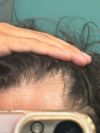
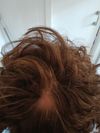
User found Annurmets, an Italian supplement with apple extract for hair loss treatment. Many reported incredible results using Procyanidin B2 from apple extract.
The user is experiencing a burning sensation on their scalp despite using finasteride and nizoral for hair loss, and is unsure if they should switch to dutasteride. They have reduced their testosterone dose but the burning persists, and a trichologist suggested it might be telogen effluvium.
A 25-year-old male has been using oral Finasteride 1mg daily and topical Minoxidil 5% twice daily for 1.5 years without seeing hair growth improvement. He is considering switching to oral Minoxidil and is uncertain about starting Dutasteride.
A user shares progress on hair thickening using finasteride, minoxidil, RU58841, and dermastamping. Another user notes slow but ongoing improvement with a similar treatment routine.
A user experienced worsening hair recession after adding 0.5 mg daily dutasteride to their regimen of topical minoxidil and finasteride, despite no initial shedding. They plan to continue monitoring the situation, as others suggest it may be too early to see results and recommend blood tests to check DHT levels.
Despite using 5% minoxidil, 0.1% finasteride, and other treatments like microneedling, MK-677, and Cialis, hair loss continues with high testosterone and DHT levels. Considering oral dutasteride but concerned about further increasing testosterone levels.
User tried topical fin, dut, min, tret, hydrocortisone, microneedling, nizoral, collagen, propidren supplements, and laser helmet for hair loss with slow progress. They ask if topical spironolactone is a safer, effective alternative to RU for suppressing testosterone and treating hair loss in men.
A user has been using finasteride and minoxidil for hair loss but is experiencing increased shedding and is considering using topical melatonin with a product called Rizn. Another user is skeptical about the effectiveness of topical melatonin due to issues with the research and lack of replication of results, while a third user expresses interest in the outcome of using Rizn after not seeing results from topical finasteride and minoxidil.
A user is considering starting spironolactone for androgenetic alopecia but is concerned about stopping it before pregnancy. Another user suggests trying topical treatments as an alternative.
Dutasteride works for most men, but some may experience worsening due to reasons like shedding, paranoia, non-androgenic alopecia, genetic variations, or smoking. Smoking can increase scalp DHT levels and damage follicles.
The user shared positive progress in hair regrowth using dutasteride, topical minoxidil, and Keeps shampoo, with a unique minoxidil application schedule and glycolic acid exfoliation to maintain scalp health. They reported no side effects from dutasteride and are pleased with the results.
The user is experiencing diffuse thinning and inflammation despite using 2.5mg dutasteride daily, ciclopirox, and ketoconazole shampoos. They are considering treatments like hydroxychloroquine and JAK inhibitors due to suspected scarring alopecia and have faced challenges in obtaining a scalp biopsy.
A user shared their hair regrowth progress using Dutasteride, topical Minoxidil, Spironolactone, and Estradiol Valerate injections as part of hormone replacement therapy for transitioning. They experienced significant hair improvement and personal satisfaction but caution against this approach for non-transitioning individuals due to irreversible changes.
The conversation is about someone's experience with hair loss and their progress using dutasteride, a treatment for hair loss. Specific treatments mentioned include Minoxidil, finasteride, and RU58841.
The user is using RU58841, Revivogen, Regenepure ketoconazole shampoo, and plans to use a stimufield cap to address hair loss. They aim to avoid finasteride and minoxidil while hoping to stop hair loss and regrow hair.
A user is experiencing uneven hair thinning and has tried topical minoxidil without success and finasteride with adverse effects. They are considering microneedling and PRP treatments while avoiding finasteride, and another user suggests trying dutasteride as an alternative.
Kintor's GT20029, a treatment for hair loss, has completed Phase 1 successfully, showing promise as an androgen receptor degrader that could potentially regrow hair. It is considered more effective than Pyrilutamide, with infrequent dosing and minimal systemic absorption.
A 22-year-old has been using finasteride (1.25mg), topical minoxidil once a day, and dermastamping weekly for three months with no side effects. The user is seeking feedback on hair regrowth progress, but results are inconclusive due to lighting and hair length differences in photos.
A 21-year-old is using 5mg Minoxidil, 1mg Dutasteride, Nizoral, and occasional microneedling for hair loss, seeing improvement on the left side of the scalp. They stopped microneedling due to scalp inflammation and are awaiting a dermatologist appointment.
A 21-year-old experienced severe hair loss after stress and tried PRP, mesotherapy, and a topical finasteride + minoxidil solution, which was costly and inconvenient. They switched to dutasteride, experienced heavy shedding, and are considering switching to finasteride, with advice to consult a qualified doctor for further guidance.
The conversation discusses the pros and cons of dutasteride for male pattern baldness, with a focus on its long half-life. The user, a physician, also mentions that switching from finasteride to dutasteride can cause temporary hair loss until dutasteride reaches effective levels or accelerates the hair cycle.
A user's personal hair loss progress with treatments, including finasteride (1.25mg), minoxidil, needling, and Nizoral; and advice from other users on how to perform the needling correctly.
A user shared a 10-month update on treating hair loss with 1 mg Dutasteride and 2.5-5 mg oral Minoxidil daily, showing significant improvement. Some responses praise the results, others discuss dosing and side effects, and a few comments address the user's previous hostile interactions.
A user underwent a hair transplant at Moart Clinic in Seoul, receiving 1100 grafts in the crown area after Dutasteride and oral Minoxidil failed to improve a stubborn bald spot. The procedure was successful, with minimal pain and good post-op recovery, costing $6900 USD before a tax refund.
User asks about two topical dutasteride solutions and wonders if 1% concentration is overkill compared to 0.1%. They also consider trying standard topical dutasteride before using Minoxidil.
Dutasteride can be obtained through Amazon for $13.60 a month with Prime, and some users prefer it over finasteride due to its effectiveness and similar side effects. Finasteride is also available for $16 for a 3-month supply, and some users report no side effects, while others experience issues like tenderness and swelling.
After one month of treatment for hair loss, which included Dutasteride, oral Minoxidil, PRP with Dutasteride mesotherapy, microneedling, supplements, and a shampoo with finasteride and minoxidil, the user observed thicker hair and signs of new hair growth with no bad side effects. They plan to provide another update at the three-month mark.
The user is exploring hair growth stimulants other than Minoxidil, mentioning Stemoxydine, various peptides, drugs like Latanoprost and Bimatoprost, and natural remedies such as Rosemary Oil and Caffeine. They express concerns about the long-term effectiveness and safety of these alternatives and seek more information on viable options for hair regrowth.
A 20 year old male's experience with hair loss treatments, including finasteride, minoxidil, microneedling, nizoral shampoo, dutasteride, alfatradiol, stemoxydine and RU58841, over the course of two years. The user reported losing ground overall but their hair becoming curly, which helped hide more scalp.