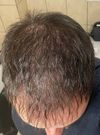
The conversation discusses a topical hair loss treatment containing 0.1% dutasteride, 6% minoxidil, tretinoin, and ketoconazole. The user is asking for opinions on the effectiveness of this solution.
A user is seeking alternatives to **Curatio Triclenz Hair Cleanser** and **Triflow Hair Conditioner** due to issues with hair weight and scalp pimples. They need recommendations for mild shampoos available in Europe, preferably Sweden.
The user plans to mix Kirkland minoxidil with spironolactone tablets for hair loss. They cannot use finasteride, saw palmetto, or spearmint tea due to side effects like insomnia and low testosterone.
Glycosaminoglycans are important for hair growth, and combining minoxidil with tretinoin and Biopeptide-CL may enhance hair growth by boosting glycosaminoglycan levels and improving the hair follicle environment. Users discussed the potential effectiveness and future of these treatments.
Spironolactone and dutasteride are compared for effectiveness in treating hair loss. The focus is on which treatment works better, regardless of side effects.
The user reports taking high dosage oral minoxidil (10mg/day) for hair growth, which causes facial bloating. They tried using the diuretic furosemide to reduce bloating, but it was ineffective.
The conversation discusses using minoxidil, finasteride, a dermastamp, and botanical oils like peppermint, rosemary, and pumpkin seed oil for hair growth. The user is considering using Alpha Infuse, which combines microneedling with plant oils, to enhance results.
L-Arginine and other vasodilators are discussed for hair health, with L-Arginine being less effective than topical treatments like Minoxidil. Topical sildenafil or Cialis are suggested as potentially effective treatments for hair regrowth.
Topical dutasteride may have limited absorption due to its higher molecular mass compared to finasteride, potentially affecting its efficacy in suppressing DHT locally. Microneedling might enhance dutasteride absorption, possibly offering stronger local DHT suppression with fewer systemic effects.
The conversation provides tips to reduce facial skin side effects from Minoxidil, such as changing pillowcases, sleeping on the back, careful application, hydration, and taking breaks. One reply suggests that alcohol in Minoxidil formulations, not Minoxidil itself, may cause skin aging.
The user is exploring alternatives to finasteride and dutasteride due to concerns about side effects, and is using rosemary and jojoba oil, ketoconazole, minoxidil, microneedling, multi-peptide serum, saw palmetto, and stinging nettle for hair loss. They are also considering CB 03 01 and spironolactone.
Minoxidil can cause dark circles and skin issues, and users suggest reducing dosage or switching to foam. Supplements like vitamin C, glycine, and MSM may help with collagen production to reduce these side effects.
A user is considering starting spironolactone for androgenetic alopecia but is concerned about stopping it before pregnancy. Another user suggests trying topical treatments as an alternative.
A user found that antihistamines stop their hair loss and related symptoms, but they experience side effects like sedation and chest pain. They are seeking alternative solutions or topical antihistamines to avoid systemic side effects.
The user is using oral dutasteride, oral minoxidil, topical minoxidil, finasteride solution, tazarotene, calcipotriol, and a peptide serum for hair loss but is concerned about continued hair shedding. They are advised to stop smoking as it may worsen hair loss and to give the treatments more time to work.
Minoxidil 5% combined with 0.01% tretinoin may be as effective as using minoxidil twice daily. Users discuss switching to oral minoxidil for consistency, with concerns about side effects.
The user experienced side effects from oral minoxidil and is seeking alternatives like Stemoxydine, Aminexil, and Redensyl + Procapil. They have been using finasteride for four years and are considering other treatments due to concerns about side effects.
A user is considering trying Aevin hair creme, which contains ingredients like jojoba oil and saw palmetto, despite skepticism about its effectiveness compared to treatments like finasteride, minoxidil, or hair transplants. They are wary of the product's legitimacy due to the lack of reviews outside the brand's website.
A user inquired about Cipla Tugain Men, a topical solution containing Minoxidil 5% and Finasteride 0.1%, noting its less greasy texture and good price. Responses suggest it's similar to other products with the same ingredients, questioning the effectiveness of additional components.
Hair loss treatments that avoid significantly lowering systemic DHT levels, focusing on topical options like dutasteride mesotherapy, minoxidil, and ketoconazole. The user is exploring alternatives like KX-826 and RU58841 due to concerns about hormone levels.
Finasteride and Dutasteride do not cause dry eyes by damaging meibomian glands, as these glands continue to function normally even when DHT is blocked. Some users report dry eyes with these medications, but others suggest supplements like Omega-3 or krill oil as potential remedies.
Azelaic acid is discussed as a DHT inhibitor with no reported sexual side effects, but its effectiveness and absorption as a topical treatment are questioned. The user is interested in azelaic acid due to concerns about finasteride affecting penile health.
Woman uses antiandrogens for hair thinning prevention, experiences severe dry eye with finasteride. Asks if dutasteride could be better despite potential for worse dry eye.
The conversation is about creating a topical finasteride solution without minoxidil, using an alcohol-based base like ethanol. The discussion includes using finasteride in powder form and mentions adding ingredients like glycerol, salicylic acid, or castor oil.
Topical melatonin may help reduce hair loss and increase hair thickness in people with androgenetic alopecia (AGA), with some studies showing positive results. It can be mixed with minoxidil for application, and its effectiveness might be enhanced when used with micro-needling, but results may vary among individuals.
Dutasteride and finasteride can cause watery ejaculate, which may persist for some users. Zinc supplements or switching to topical treatments are suggested to alleviate this side effect.
A user experienced dark under-eye bags while using Minoxidil, which improved after switching from liquid to foam but led to hair loss. They also used retinol cream and a dermastamp but are seeking advice on effectively combating eye bags.
The conversation discusses confusion about how Minoxidil promotes hair growth compared to other substances like Menthol, which have similar actions. The user mentions personal positive results with peppermint oil extract and is currently trying L-citrulline for its vasodilation effects.
Mixing RU58841 with cetosomal minoxidil is discussed due to scalp irritation from ethanol PG vehicles. A mixture of the two turned bright pink when left to dry.
The conversation discusses the use of vasodilators like Minoxidil, L-arginine, and Niacin for hair regrowth, with Minoxidil causing intolerable side effects for the original poster. It also highlights that certain medications, including Lisinopril, antidepressants, and statins, can cause hair loss.