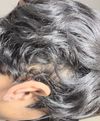
Hair loss has slowed, but uneven growth and kinking persist despite using keto/nizoral shampoo and clotrimazole. Stress and anxiety might be contributing factors.
The struggles of hair loss at a young age and available treatments, such as medication (Finasteride, Minoxidil, Dutasteride, Derma Rolling) and potential options for hair systems or cloning in Japan. People discussed their own experiences with trying to cope with the emotional aspects of this condition.
A user shared their experience with hair loss and a hair transplant at the Scandinavian Hair Institute, using finasteride every other day as part of their regimen. They expressed satisfaction with the transplant results and decided against using minoxidil due to its inconvenience and potential side effects.
A user is concerned about using Alpicort, which contains Prednisolone and Salicylic Acid, for male pattern baldness. They are unsure if it will help or worsen their condition and are seeking advice.
User experienced hair loss from Norwood 3.5 to Norwood 5 with diffuse thinning after using a hair system for 2 years. Tried Redensyl, Capixyl, Bicapil, Biotin, multivitamins, Fin, and Min without significant improvement, seeking advice for hair recovery.
The user feels treated better with a comb-over than when bald due to cancer. They are considering a hair transplant and using finasteride and minoxidil for hair loss.
Hair loss is linked to cellular physiology and the IGF-1 to TGF-B1 ratio, not just androgen sensitivity. The theory lacks evidence, while finasteride and minoxidil are effective treatments.
The conversation discusses using hair follicle dermal papilla exosomes for hair loss treatment. It inquires about purchasing options for this treatment.
The conversation discusses the progress and potential of hair cloning by Stemson Therapeutics, questioning if it will be realized in the next 5-10 years or if it's just false hope. Specific treatments mentioned include Minoxidil, finasteride, and RU58841.
Scalp massages may improve hair growth, with noticeable results in a few months. The technique involves detaching the skin from the skull, similar to detumescence therapy, and may be combined with other treatments for better results.
Baldness is difficult to cure because current treatments like finasteride, dutasteride, and minoxidil only prevent hair shedding, and new developments are mostly ineffective. Botox shows potential in aiding skin regeneration and hair growth, but maintenance therapy with treatments like dutasteride and minoxidil may still be necessary.
HairClone is offering a Dermal Papilla Cell Hair Multiplication procedure in Guatemala, raising questions about its effectiveness and regulatory reasons for the location. Users express skepticism and curiosity about the treatment's success and potential costs.
Hair loss treatments, ranging from topical minoxidil and finasteride to taking hormones such as estradiol or nandrolone, as well as a controversial suggestion of an orchiectomy. A hair system is also mentioned as an alternative solution.
Hair loss is linked to scalp fibrosis and tension, which result from chronic mechanical stress and androgenic signaling. Treatments include blocking androgens with finasteride, promoting hair growth with topical minoxidil, and improving scalp mobility through exercises.
Hair loss treatments are difficult because hair follicles react differently to hormones and have varying growth cycles. Treatments mentioned include Minoxidil, finasteride, and RU58841.
The conversation discusses a hair loss treatment formulation containing cyclosporin, minoxidil, and tacrolimus, and mentions ongoing research on hair color reversal. The treatment showed high efficacy in restoring hair color in trials with 40 to 50 people.
The conversation discusses a botanically derived treatment for androgenetic alopecia using ingredients like saw palmetto, green tea, and evening primrose, showing impressive results over 270 days. Concerns include the study's uncontrolled nature and potential product motivation, with suggestions to enhance absorption through derma rolling.
Cbum's hair transplant is criticized for looking unnatural and not blending well, with some suggesting better results were expected given his resources. Discussions also cover the effects of steroids and finasteride on hair loss and muscle growth.
Avoid layering thin or thinning hair, as it can make hair appear thinner and uneven. Proper framing and minimal layering can help maintain a fuller look, especially when using treatments like Minoxidil and Finasteride.
The user has been using a regimen including finasteride, minoxidil, various oils, and supplements for hair regrowth over 9–10 months. They observed fine hairs returning and a change in scalp texture after adding cinnamon oil, questioning if this change is a positive sign.
A woman with alopecia universalis shares her positive experience of being bald, finding it freeing and less worrisome. She also discusses her skincare routine using Korean products.
Male pattern baldness (MPB) may be influenced by androgen receptors in scalp hair follicles and potentially poor blood flow. Transplanted hair is not immune to DHT, and factors like inflammation and scalp tension might also contribute to hair loss.
Hair loss treatments like finasteride, minoxidil, and hair transplants have side effects and limitations. There is hope for future advancements in stem cell therapy and hair follicle regeneration, though skepticism about their effectiveness and timeline persists.
The user is experiencing hair thinning on the sides and back of the head while the top remains thick. A reply suggests it might be retrograde alopecia.
Hair loss can begin in early adolescence and cause mental anguish. Treatments mentioned include eating cruciferous vegetables, engaging in physical activity, and maintaining scalp hygiene.
Hair appearance fluctuates due to factors like styling, product buildup, and humidity, causing frustration for those with diffuse thinning. Treatments mentioned include minoxidil, finasteride, ketoconazole shampoo, and RU58841, with mixed results.
Hair cloning was predicted to be a baldness cure within 3-4 years in 2004, but it has not materialized. Users express frustration and skepticism about the delay.
The conversation reassures a woman concerned about thinning hair on her crown, suggesting her hair appears normal and not thinning. Some users recommend prenatal vitamins for hair health, while others attribute the appearance to contrast between dark hair and a pale scalp.
Low testosterone and estradiol may contribute to hair loss, and blocking DHT without sufficient hormone levels might hinder regrowth. The discussion highlights the importance of hormone balance, with some considering supplements and lifestyle changes to support hair health.