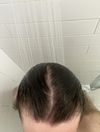
User shared 126-day progress using Fin/Min/Niz/Microneedling for hair loss. Others discussed microneedling depth, results timeline, frontal coverage, and switching to Dutasteride.
Anxious_Bee_67's 4 month progress with a hair loss treatment regimen of 1 mg oral finasteride once a day and topical minoxidil twice a day, which has brought "hope" to others who are fighting the Norwood Reaper. Replies include encouragement for further progress and advice on other treatments that can be used in conjunction with the current ones.
The user is using 5% minoxidil, 1mg finasteride, and a 1.5mm dermaroller 1-2 times a week for hair growth, noting improved growth speed and density. They avoid applying minoxidil immediately after dermarolling due to skin irritation.
The user experienced hair improvement using a topical finasteride, minoxidil, and tretinoin combo, along with supplements like zinc, copper, magnesium, vitamin D3, K2, iodine, and boron. They believe these changes are due to addressing mineral deficiencies and possibly thyroid issues, despite skepticism from others.
User experienced significant hair growth in 3 months using finasteride, minoxidil, microneedling, and scalp massages. Others questioned the authenticity of the results due to the rapid progress.
The conversation is about starting a hair loss treatment using a topical solution containing RU58841, Minoxidil, and Copper Peptides. The user plans to test the product and share updates on its effectiveness.
The conversation discusses hair loss treatments, specifically the use of finasteride and minoxidil in a topical compound, along with microneedling. Users share progress and experiences, noting significant hair growth and improvements over time.
The user shared progress pictures showing hair growth after six months of using topical minoxidil twice daily, finasteride once daily, derma rolling every four days, and initially taking zinc and vitamin D. They also used scalp massaging techniques with minoxidil.
Microneedling combined with minoxidil is more effective for hair growth than microneedling alone. Optimal results are seen with weekly microneedling using 0.5 - 1mm needles and regular minoxidil application, avoiding minoxidil on the needled area for 24 hours.
The conversation discusses using 1.5mm microneedling to improve responses to Minoxidil for hair loss. One user humorously suggests more aggressive microneedling.
User discusses group buy for finerenone, a third-gen mineralocorticoid antagonist for hair loss treatment. Finerenone inhibits TGFb, NOX, and ROS, and improves renal and cardiac function; topical dose should be no more than 10mg per day.
Using a microdose of finasteride on the scalp with minoxidil as a carrier may have positive effects with minimal side effects. The user is also considering the effects of sulforaphane or broccoli sprouts on hair loss.
The user is seeking Malassezia-safe treatments for hair loss and currently uses a baby shampoo, a scalp tonic with antifungal ingredients, and aloe gel. They consider using Kirkland Minoxidil 5% drops and possibly consulting a doctor about Finasteride.
A 30-year-old MTF individual shared a 6-month update on hair loss improvement using minoxidil, retinol, and microneedling, along with lowering testosterone to reduce DHT. They reported positive results, feeling happier and more confident.
A user shared an 8-month hair regrowth progress using finasteride, topical minoxidil, and microneedling, and others reacted positively, asking for details about the treatment regimen. The user also mentioned taking cod liver oil and a hair multivitamin with biotin and collagen.
The conversation discusses concerns about the potential risk of cancer from creating new hair follicles through microneedling, due to stem cell division. Specific treatments mentioned include microneedling, caffeine-containing anti-hair loss shampoos, and other unspecified topicals.
User shared a 5-month progress update on using topical minoxidil 6% and finasteride 0.05% once daily, with microneedling and vitamins. They experienced initial shedding but no side effects, and increased the treatment to twice daily after month 4.
Switching from liquid to foam minoxidil may cause mild shedding, possibly due to differences in absorption. Returning to the original liquid formulation typically stabilizes shedding within a few weeks.
A user shared their 2-month progress using 5% minoxidil and microneedling for hair loss, noting no significant changes yet. The discussion includes opinions on minoxidil, finasteride, and personal experiences with hair loss treatments.
The conversation is about seeking recommendations for clinics in Los Angeles that offer dutasteride mesotherapy for hair loss treatment. The user is asking for experiences and suggestions from the community.
User is using a homemade topical treatment with .015% finasteride, 5% minoxidil, and microneedling at .75mm depth. They also use 2% ketoconazole shampoo, various oils, and are considering increasing finasteride concentration due to mixed results.
Dutasteride mesotherapy is being considered for hair regrowth, with one user reporting significant success when combined with oral dutasteride, oral and topical minoxidil, and vitamins. Another user suggests using topical finasteride and oral dutasteride instead, as mesotherapy results are inconclusive.
A 20-year-old male experienced mental fog after resuming topical minoxidil for hair loss, questioning if it's due to interactions with antidepressants. Suggestions included trying a lower concentration of minoxidil or alternatives like copper peptides.
The user "EscapeNo3518" shares their positive results after using topical minoxidil and dermarolling for almost 5 months. They also made changes to their hair washing routine. Another user asks about when the results started to show.
Significant hair regrowth was achieved using 1 mg Finasteride, 5% Minoxidil, and dermarolling, with a switch from a 0.5 mm to a 1 mm roller after two months. The user is happy with the results but is still considering a hair transplant for more density.
The user is using 0.5 mg finasteride, 2.5 mg oral minoxidil, topical minoxidil, and 1.5mm microneedling with topical dutasteride for hair loss treatment. They report hair thickening without side effects, except for temporary water retention, and are considering increasing finasteride dosage and microneedling frequency.
A 26-year-old is undergoing dutasteride mesotherapy with cuticapil serum and minoxidil tablets for hair loss, expecting results in a few months. The treatment is monthly, costs 4750 INR per session, and has shown no noticeable side effects so far.
The user regrets not using medication after a failed hair transplant and is now using a combination of minoxidil, finasteride, derma rolling, oils, and ketoconazole shampoo to try to improve hair regrowth. They are seeking feedback on progress and considering further treatment options.
The user has been using 1mg finasteride daily and 5% minoxidil foam twice daily for a year, along with weekly microneedling for the past few months. They are providing an update on their hair loss treatment progress.
A stem cell and adenosine triphosphate cocktail showed promising results in hair regrowth for male and female mice, with potential for future clinical trials. Users humorously reacted to the success in mice, expressing hope for human application.