Search
for
Sort by
Community Join
960-990 / 1000+ resultscommunity Ways to prevent hair from becoming grey or delaying the greying of hairs? (Have You Heard of Catalase!?)
Catalase is discussed as a potential treatment for delaying or reversing grey hair, but no reliable medicine currently exists. Other mentioned treatments include Imatinib, senolytics like Quercetin and Fisetin, He Shou Wu, Argan oil, and reishi mushroom extract, though their effectiveness varies.
community Procyanidin B2 Supplement
User seeks Procyanidin B2 supplement source and asks for dosage comparison. Another user requests study details and apple type importance.
community 3 months update on meds post HT
The user started using 1mg finasteride and Regaine foam post-hair transplant, noticing significant hair growth at three months. They experienced testicular cramps as a side effect but no other issues, and are considering microneedling for further improvement.
community PP405 (JXL069) Is Confirmed: Here’s Everything I’ve Learned After a Year of Testing
community *16 month update* Comparisons 16 months apart.. 1st pic is front view. 2nd pic top view wet hair. 3rd pic is top view damp/dry hair. Last pic is trying out an undercut look I’ve never done before.
A user shared their 16-month progress using a minoxidil and finasteride spray combo, showing significant hair regrowth. The discussion includes praise for the results, questions about treatment specifics, and debates on the effectiveness of topical versus oral finasteride.
community I Get Side-Effects from Anti-Androgens
Someone looking for solutions to their hair loss, who has tried and failed to tolerate anti-androgen treatments such as finasteride, CB-03-01, RU58841, and Eucapil. The user is seeking advice and understanding of their extreme sensitivity to these treatments.
community New update. 16 months on finasteride, 25 year old, 1.25mg daily. The first picture is a screenshot from a video taken in February 2023, hence the quality is kinda poor.
A 25-year-old user shared progress pictures after 16 months of using 1.25mg daily finasteride for hair loss, reporting noticeable results around months 4-5 and some initial side effects that resolved. The user experienced thickening and slight regrowth of the hairline.
community The transplant is easier and more worth than you think
community TH07 by Triple Hair entering phase III trial
A new topical treatment, TH07, combining finasteride, latanoprost, and minoxidil, is entering phase III trials with promising early results. Some users express skepticism, noting the treatment uses existing products.
community Source for Pyrilutamide has disappeared
Anageninc stopping the sale of Pyrilutamide due to a cease and desist order from Kintor, with some speculating that it was either a hoax or subpar product.
community Been diagnosed with mpb and acute TE
A 21-year-old male diagnosed with telogen effluvium and male pattern baldness started taking finasteride, which initially slowed hair shedding and slightly thickened hair. The doctor recommended iron and vitamin D supplements, and the user is considering minoxidil but wants to stabilize shedding first.
community There will not be any new treatments anytime soon. Address the issue now, do not wait.
community PP405 is a game changer. One for the history books. Era defining moment and Pelage know it
PP405 is considered a potential new treatment for hair loss, compared to finasteride and minoxidil. There is skepticism about its effectiveness in humans, with anticipation for more information from an upcoming conference.
community What do we think about this one bros? 0.1% Alfatradiol compunded by my Pharmacy
The conversation discusses using 0.1% Alfatradiol compounded by a pharmacy for hair loss treatment. It also mentions Minoxidil, finasteride, and RU58841 as other treatments.
community Just started my journey, wish me luck
A user's journey to treat hair loss with a combination of oral medication, topical treatments, microneedling and different shampoos and supplements. It includes warnings about an OGX biotin shampoo potentially causing further hair loss.
community This is the treatment protocol i'm going to take and i'd love to hear what you think
The user is experiencing hair loss and plans to use a treatment protocol including Saw Palmetto Berries, MCT Oil, Zinc, testosterone balancers, L-tyrosine, and L-theanine. They also use a specific dandruff shampoo and are open to non-prescription treatments.
community AMA: I travelled to Turkey to get an FUE Hair Transplant: 5000 Grafts, Dr Koray Erdogan, ASMED Clinic
A user traveled to Turkey for a 5000-graft FUE hair transplant at ASMED Clinic with Dr. Koray Erdogan. They used finasteride before and after the surgery and shared detailed experiences, costs, and recovery tips.
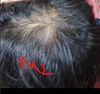
community M 21 trying to get hair after never having them
A 21-year-old male is using finasteride, minoxidil, and had a hair transplant to address lifelong thin, diffuse hair loss. Progress pictures show changes over two months.
community Any other non-responders to most medications?
The user has not seen results from various hair loss treatments including finasteride, dutasteride, minoxidil, and others over several years and is considering adding RU58841 and starting hormone replacement therapy. They are also experiencing anxiety and contemplating moving to a more accepting environment for their nonbinary identity.
community Verteporfin day 119 update - donor hair regeneration human trial
A human trial involving the use of Verteporfin as a treatment for hair loss, which has been ongoing for 119 days with an update on its progress. Treatments such as Minoxidil, Finasteride and RU58841 have also been discussed.
community Considering Topical Finasteride for AGA: Concerns About Oral Side Effects and Minoxidil Allergy
The conversation is about concerns regarding starting finasteride for AGA, with a preference for topical finasteride due to worries about oral side effects. The user is considering adding oral minoxidil later due to an allergy to topical minoxidil.
community I've been taking medicines for my hair loss at 18? Read description
A 22-year-old from India is using finasteride, Trichoton AT, and a multivitamin to address hair loss, noticing some regrowth. They are concerned about weight gain and the psychological effects of masturbation but find no strong evidence linking it to hair loss.
community Went for hair transplant. 3200 grafts.
A user underwent a hair transplant with 3200 grafts and plans to update others on their progress. They previously used minoxidil and finasteride to stabilize hair loss but opted for a transplant for better results.
community Alfatradiol to combat hair loss
Hair loss discussion includes treatments Minoxidil, Finasteride, and RU58841. Alfatradiol is suggested as another potential solution.
community 5m progress pics after transplant
community Likelihood of new treatments in the next few years?
New hair loss treatments like Shiseido/Replicel and Histogen were discussed, with cautious optimism about their availability by 2018. Setipiprant, Replicel, and Bimatoprost were mentioned as potential treatments expected around 2016-2017.
community Should I get back on RU58841??
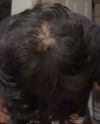
community 16 year old Hairloss, Min for 6 months
A 16-year-old noticed hair thinning on the crown and sides of the head, with minimal temple thinning. After using Minoxidil for 6 months, some areas improved, but the crown worsened, and they seek advice on the irregular hair loss and treatment options.
community Hair transplant at 23-24
A 23-year-old plans a hair transplant and uses finasteride, Essengen 6 Plus, ketoconazole shampoo, dermarolling, vitamins, and Foligain capsules. He seeks advice on his regimen and the timing of the procedure, considering family history and potential future hair loss.