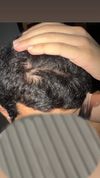
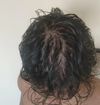
Finasteride can quickly raise estradiol levels by blocking DHT, allowing testosterone to convert to estrogen. Taking finasteride for just a few days can affect blood test results.
Minoxidil caused side effects like chest pain and tinnitus for the user, leading them to stop using it and consider switching to finasteride with microneedling. Other users shared similar experiences with minoxidil, while some reported no issues, highlighting varied individual reactions.
2-Deoxy-D-Ribose is discussed as a potential hair loss treatment, but skepticism exists due to lack of human testing. The original poster uses a combination of topical Minoxidil, oral Finasteride, topical RU58841, and other treatments, reporting some hair regrowth but not significant results.
The user has been using finasteride for over two years with mixed results and is considering starting dutasteride and oral minoxidil, though both are hard to obtain. They are also contemplating a hair transplant in the future due to diffuse thinning.
The conversation discusses the safety of using 2.5mg oral minoxidil and 1mg topical minoxidil twice daily, along with finasteride, for hair loss treatment. Concerns are raised about potential blood pressure changes from oral minoxidil, suggesting a personalized risk assessment with a doctor.
The user has been using finasteride, dutasteride, minoxidil, and a dermaroller/dermastamp for hair loss, reporting positive results and no significant side effects. They switched from finasteride to dutasteride for better results and apply topical minoxidil despite having braids.
The user has been using finasteride and minoxidil, then switched to dutasteride and minoxidil for six months without significant results, noticing thinning after increasing creatine dosage. They plan to consult a dermatologist to explore potential causes beyond androgenetic alopecia.
The conversation is about someone's progress with hair loss treatment using a combination of topical finasteride and minoxidil, and dermastamping once a week. They are considering increasing the dermastamp needle size from 1.25mm to 1.5mm.
17-alpha-estradiol may work for hair loss by inhibiting 5-alpha reductase, similar to finasteride. It might lower testosterone in the scalp, reducing DHT conversion.
Autologous exosome treatment for hair loss is being discussed as an emerging option. Minoxidil, finasteride, and RU58841 are also mentioned as treatments.
A user is experiencing rapid hair loss and has been diagnosed with telogen effluvium by multiple dermatologists, but doubts the diagnosis due to the severity and speed of the hair loss. They are considering various treatments like spironolactone, estradiol, and possibly finasteride, while also exploring the possibility of hormonal imbalances or autoimmune issues.
The user is using a mixture of crushed finasteride tablets and alfatradiol as a topical treatment for hair loss, applying 1 ml daily, and is asking if this is an effective method or if alfatradiol is a suitable solvent. They mention that others often mix finasteride with minoxidil, but they want to try without it.
The person is using 1mg of finasteride daily, 2mg of minoxidil, and weekly dermarolling with a 1mm needle. They sometimes use topical minoxidil as well.
Topical minoxidil can cause water retention, making the face appear swollen. Switching from liquid to foam and reducing application frequency may help; using dandelion root extract as a diuretic is also suggested.
The conclusion of the conversation is that the user, Michael_Scott1234, has been using topical minoxidil for a long time and recently started using oral finasteride and dermarolling. They have not experienced any side effects from finasteride and are happy with their progress.
The user is using RU58841, finasteride, dutasteride, and minoxidil to slow down aggressive hair loss but is still experiencing hair shedding due to high testosterone levels. They plan to use ostarine to lower testosterone and prevent hair loss while maintaining muscle mass, and will continue using the other treatments.
The user is experiencing hair thickening with oral minoxidil but notices worsening hairline and considers starting finasteride despite concerns about gynecomastia. They are also considering using Latisse on their hairline and seek advice on potential outcomes and experiences with these treatments.
HMI-115, a newly discovered hair loss treatment that could potentially be effective for those with diffuse thinning and telogen effluvium. It is based on prolactin receptor antagonist signaling and has already undergone Phase I trials in women, with potential commercialization by 2027.
Current hair loss treatments include finasteride, dutasteride, minoxidil, and derma rolling. New treatments like TDM-105795, GT20029, and others show promise but require more testing and time before approval.
A user named "tresslessinseattle" receiving a mysterious package of Eucapil hair loss treatment, which they are considering in combination with Minoxidil and Finasteride treatments to boost the regrowth they have been seeing.
A 24-year-old experiencing severe hair thinning has been using minoxidil for 2 years but is still shedding hair. A doctor recommended plasma treatment over a DHT blocker for better and healthier results.
Using tretinoin with minoxidil can cause burning and flaky skin due to alcohol in minoxidil and tretinoin's effects. Solutions include using minoxidil foam, starting with low tretinoin doses, moisturizing, and gradually increasing usage.
A 22-year-old male has been experiencing hair thinning since 18 and was prescribed 50mg oral spironolactone for hair loss and high blood pressure, despite inquiring about finasteride. A reply suggests that spironolactone is less effective than finasteride and minoxidil for hair loss and recommends seeking a second medical opinion.
A 21-year-old male with a thyroid condition noticed his hair thinning uniformly without a receding hairline. He is considering using a 5ARI to prevent further baldness if he starts TRT.
The user switched from topical Minoxidil and Finasteride to oral Finasteride and reduced testosterone, expecting to lower DHT, but instead, DHT increased and hair loss worsened. The user is seeking advice on whether to return to the previous topical treatment or if others have experienced similar issues with oral Finasteride while on TRT.
A 22-year-old is frustrated with ongoing hair loss despite using treatments like topical minoxidil, finasteride, microneedling, oral dutasteride, and oral minoxidil. Their dermatologist suggests treating scalp inflammation with oral tretinoin and using exosomes for alopecia.
The conversation is about using adenosine, finasteride, and minoxidil for hair loss treatment. The user ordered a 0.75% adenosine solution and is currently using finasteride 1mg and minoxidil 5%.
Pyrilutamide is a selective AR antagonist with a high binding affinity, making it effective in competing with DHT for androgen receptors. The 1% concentration is more effective than the 0.5%, but the latter may suffice for mild hair loss; the drug is considered a good option for those avoiding 5AR blockers due to side effects.
The user received hormone test results showing normal estradiol and testosterone levels, low SHBG, and normal free androgen index. They are considering starting finasteride but are concerned due to being slightly overweight.
A 26 year old female diagnosed with androgenetic alopecia who is interested in treatments such as spironolactone, finasteride and Minoxidil to help her hair loss but is worried about side effects like muscle gain, sex drive and effectiveness.