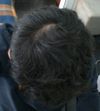
The conversation is about hair loss treatment using finasteride, ketoconazole, and sulfur soap, with consideration of starting dermastamp. The user prefers not to use minoxidil.
The user is frustrated with dermatologists who dismiss Minoxidil and finasteride as unsafe, instead recommending mustard oil, PRP, zinc supplements, and hair products. The user feels these suggestions are ineffective and is considering starting Minoxidil and finasteride despite the dermatologists' advice.
The user is allergic to minoxidil and seeks alternatives for hair regrowth. They have been using finasteride for two years, which stopped hair loss but did not promote regrowth.
The user has been using oral dutasteride and topical minoxidil for 8 years, added oral minoxidil 6 months ago, but continues to experience hair thinning despite reduced shedding. They are considering checking iron levels, switching medication brands, and exploring other treatments like RU58841.
New hair loss treatments PP405 and VDPHL01 are discussed with skepticism and hope, alongside existing treatments like minoxidil and finasteride. Users express frustration over limited progress since the 1980s but remain cautiously optimistic.
The conversation is about choosing between Ketoconazole/Nizoral 1%/2% or selenium for dandruff. The user also mentions starting finasteride soon for androgenetic alopecia.
Vitamin D deficiency is linked to hair loss, and supplementation with vitamin D can improve conditions like androgenic alopecia and telogen effluvium. Users discussed various dosages of vitamin D, emphasizing the importance of getting blood tests to determine the appropriate amount.
The user experienced significant hair improvement using daily dutasteride (0.5mg) and oral minoxidil (5mg), along with ketoconazole shampoo twice a week. They reported no significant side effects, except for mild hypertrichosis, and plan to continue the regimen for a few years before reducing the dosage.
Minoxidil may cause wrinkles and dark circles, which some users report can be mitigated by adjusting dosage. Reactions vary, and while some dismiss these side effects, others experience significant changes.
A 26-year-old is experiencing unexpected hair shedding on the scalp, eyebrows, eyelashes, and body, along with greasy skin, and has decided to see a doctor. They are seeking advice and support.
Fatty acid metabolic signaling can activate epithelial stem cells for hair regeneration. Oleic and palmitoleic acids showed the best results, but practical application on humans remains uncertain.
Oleic acid and microneedling are being explored for hair regrowth, but results are mixed. Addressing DHT and fibrosis is crucial, with treatments like finasteride, minoxidil, and scalp massage also discussed.
The post and conversation are about a user's 6-month progress using topical dutasteride, 8% minoxidil, tretinoin, 2% ketoconazole shampoo, microneedling, oral finasteride, pumpkin seed oil, Vitamin D3, a men's multivitamin, rosemary oil, and 5% minoxidil foam for hair loss treatment.
A 20-year-old user experienced worsening hair loss despite using various treatments including topical and oral minoxidil, finasteride, and dutasteride. Other users suggested additional treatments like JAK inhibitors, RU58841, and lifestyle changes, but the user remains skeptical and frustrated.
Minoxidil may not be effective due to low sulfotransferase activity, and the user considers adding tretinoin to the regimen. They are unsure about the timing and combination with microneedling.
The user is experiencing hair loss with possible causes including chronic telogen effluvium, diffuse alopecia areata, and androgenic alopecia. They have tried treatments like Nizoral shampoo, minoxidil, and finasteride, and are considering a biopsy for further clarity.
Sprocketshead asks if pyrilutamide can be applied with minoxidil, and inquires about its consistency and odor. They want to know if it's more high maintenance than topical minoxidil.
The conversation discusses a clinical trial for Setipiprant in the US, starting June 29th, with eligibility excluding recent users of minoxidil or finasteride. It encourages informed decision-making before signing up.
The user is preparing for potential future hair loss treatments and currently uses topical minoxidil, derma rolling, and ketoconazole shampoo. They are concerned about shedding, side effects, and the possibility of starting finasteride or dutasteride along with testosterone.
The user experienced gradual hair thinning since 2021 and tried various treatments including topical minoxidil, rosemary oil, oral finasteride, oral minoxidil, RU58841, and oral dutasteride. They are considering switching to daily finasteride and adding topical dutasteride, tretinoin, and microneedling due to side effects from oral dutasteride.
The user is experiencing hair loss, initially diagnosed as Telogen Effluvium due to stress, but is concerned it might be Androgenetic Alopecia (AGA). A suggestion was made to consider using Minoxidil or Finasteride if the condition worsens.
The user is experiencing hair thickening with oral minoxidil but notices worsening hairline and considers starting finasteride despite concerns about gynecomastia. They are also considering using Latisse on their hairline and seek advice on potential outcomes and experiences with these treatments.
Hair cloning and new treatments like ET-02, Veradermics (vdphl01), and wound-induced hair neogenesis show promise but are not yet widely available. Current effective treatments include minoxidil, finasteride, and dutasteride, with early intervention being crucial for better outcomes.
The user reports progress in hair regrowth using topical finasteride/minoxidil, microneedling, topical dutasteride, latanoprost, and MSM supplements. They express frustration over the lack of interaction on progress posts compared to trivial topics.
BionicBell discussed using Bimatoprost, a medication typically for eyelash growth, for hair loss and mentioned a compounding pharmacy that can mix it with other ingredients like minoxidil and finasteride. They are seeking advice on using topical finasteride for female pattern baldness and are considering a custom foam combination to maximize hair growth results.
Avoid home-compounding topical minoxidil due to potential risks and complications. Use proper equipment and techniques to prevent aerosolization and ensure effective dissolution.
The user is considering using CB or clascoterone for hair loss, potentially as an alternative to RU. They're also contemplating asking a dermatologist for topical clascoterone cream to apply to their temple.
The Derma Harmony Sulfur/Salicylic acid soap bar shampoo caused significant hair shedding, oily scalp, and cystic acne. The user experienced better results with rosemary shampoo.
The user is using dutasteride, finasteride, and RU58841 for hair loss but is allergic to minoxidil. Suggestions include dropping finasteride, increasing dutasteride dosage, and considering alternatives like microneedling, laser treatments, scalp massage, and supplements.