The conversation discusses using topical cetirizine for hair loss and questions its effectiveness and preparation. A user expresses interest in trying it if it can be dissolved in minoxidil.
Minoxidil can cause flaky skin, and users suggest using ketoconazole 2% shampoo three times a week and a pH-balanced shampoo on other days to help manage it. Argan oil was considered but may leave hair oily.
The user is experiencing hair loss and is using Minoxidil once a day. They suspect Vitamin D deficiency and Seborrheic Dermatitis might be contributing factors.
OP saw significant hair growth after starting scalp exfoliation and using 5% topical minoxidil for 4.5 months, along with microneedling initially. Users discussed the benefits of exfoliation and inquired about experiences with finasteride and dutasteride.
A user with Androgenetic Alopecia is seeking advice on hair growth treatments while planning for pregnancy. Current routine includes LaserCap, Nizoral Shampoo, scalp massage, The Ordinary Multi Peptide Serum, vitamin D, prenatal vitamins, and SEEN shampoo.
The user experienced significant hair regrowth using dutasteride 0.5 mg daily, 5% topical minoxidil twice a day, and microneedling over several months. They also used ketoconazole shampoo and rosemary oil, reporting some side effects but overall positive results.
The user is addressing hair loss with finasteride, dutasteride, oral and topical minoxidil, dermarolling, and shampoos. They are considering adding essential oils to improve circulation.
Finasteride can cause oily skin and acne due to increased testosterone or sensitivity of androgen receptors. Some users find dutasteride results in less oily skin compared to finasteride.
Clascoterone 5% solution is not yet commercially available, with only the 1% solution currently sold for acne. Users discuss the potential of Clascoterone as a hair loss treatment, comparing it to other anti-androgens like RU58841 and Eucapil.
OP shared a 1-month progress update on using a topical solution with dutasteride, minoxidil, and tretinoin for hair loss. Users noted regrowth and discussed tretinoin's availability.
User experienced hair regrowth after eliminating scalp itch with RU58841. Others discussed itch and hair loss connection, and effectiveness of combining RU58841 with 5AR inhibitors.
The user experienced hair thinning and was diagnosed with alopecia incognito and male pattern baldness. They are using minoxidil, finasteride, and dutasteride scalp injections, reporting gradual improvement with no side effects.
The conversation discusses using tretinoin for hair loss and whether applying SPF on the scalp is necessary if hair covers the treated areas. The user is considering this treatment despite having no completely bald patches.
A 23-year-old experiencing severe diffuse thinning after scalp inflammation is considering finasteride as a last resort after stopping minoxidil and using anti-inflammatory medication. Users suggest that inflammation causes temporary shedding and recommend consulting a dermatologist, with some advocating for finasteride as a reliable treatment option.
User made progress with topical Finasteride/Minoxidil and topical Dutasteride for hair loss. Microneedling at 1.5mm daily was also mentioned as part of the treatment.
Using tretinoin with minoxidil can cause burning and flaky skin due to alcohol in minoxidil and tretinoin's effects. Solutions include using minoxidil foam, starting with low tretinoin doses, moisturizing, and gradually increasing usage.
The conversation is about the safety of using a product with azelaic acid and other ingredients on a receding scalp for hair loss. Specific treatments mentioned are Minoxidil, finasteride, and RU58841.
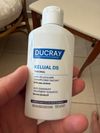
A user discusses using topical dutasteride 0.025% once a week for hair maintenance, alongside fortified minoxidil, RU58841, and Reviv Hair Serum. They seek feedback on the effectiveness of this regimen.
The user reported hair thickening after two months of using topical 7% minoxidil and 0.1% dutasteride, with no side effects. They previously experienced side effects with oral finasteride and switched to the topical treatment.
A user shared their 7-month progress on hair regrowth using a regimen of dutasteride, minoxidil, stemoxydine, microneedling, and keto shampoo. They noted significant improvement, particularly in vellus hair growth, and discussed the potential addition of RU58841, though they experienced side effects with it previously.
Finasteride can cause scalp itch and inflammation, possibly due to DHT changes, but these effects are often temporary and part of the shedding phase. Consistent use of finasteride may show results after 6 months, with potential hair regrowth and slowed hair loss.
A user shared progress on treating female pattern baldness with a topical solution containing Minoxidil, Dutasteride, Tretinoin, Ketoconazole, and Hydrocortisone, along with supplements like Collagen Peptides, NAC, Vitamin C, and Keratin. Another user commented on the impressive results, noting the use of topical Dutasteride.
PP405 is a topical gel being tested for hair regrowth in adults with androgenetic alopecia. Volunteers aged 18-55 are needed for a 16-week trial in several US locations.
The user is using topical finasteride 0.1%, minoxidil 5% twice daily, red light therapy, a multi-peptide serum, and a weekly oil hair mask with various oils and ingredients. They also use ketoconazole shampoo, condition their hair, and microneedle with a dermapen, seeking advice on any changes to their routine.
A user named Mmherak is experiencing hair loss, with low B12 and iron deficiency, and has been recommended minoxidil and spironolactone by dermatologists. Other users suggest seborrheic dermatitis or dandruff, recommending treatments like Nizoral shampoo, ketoconazole, and Selsun Blue.
The user improved diffuse thinning without finasteride by using minoxidil foam, cold showers, gentle hair drying, 2% ketoconazole, sulfate-free tea tree oil shampoo, dermastamping, and supplements like Omega-3, Vitamin-D, Biotin, Keratin, Collagen, B3, Zinc, and Magnesium. The regimen was followed for about six months under dermatologist guidance.
A user shared progress pictures after using a topical solution containing Minoxidil 5%, Tretinoin, and Azelaic acid for two months. The conversation discusses the effectiveness of this treatment for hair loss.
Tazarotene may be more effective than tretinoin when combined with topical minoxidil for hair loss due to its selective binding to RAR-beta and gamma, though it can cause irritation. Tazarotene's potency can lead to indirect inflammatory reactions despite potentially causing less irritation than tretinoin.
The conversation discusses hair loss and treatments like finasteride, minoxidil, and ketoconazole shampoo. Users suggest scalp massages, warm showers, and other methods to address scalp tension and tight spots, with some mentioning the potential effects of medications like escitalopram and probiotics.
