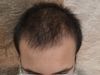
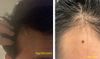
A user shared their hairloss journey, showing improvement after starting finasteride, dutasteride, minoxidil 5%, and microneedling. They are curious about their degree of baldness and why their hair has thinned.
A user expressed frustration with hairloss treatments, including finasteride, minoxidil with micro-needling, and RU58841, which all failed to stop hair thinning and miniaturization. Suggestions from others included accepting baldness, considering hair systems, and continuing prescribed antidepressants for depression.
The user is experiencing severe hair thinning and is using multiple treatments including topical finasteride, minoxidil, tretinoin, latanoprost, oral minoxidil, dutasteride, saw palmetto, and derma wounding. They are considering adding RU58841 and are contemplating a hair transplant and exosomes due to frustration with current results.
A 43-year-old male has been using oral minoxidil, finasteride, and dutasteride for hairloss, with some stabilization and thin hair growth but no significant cosmetic improvement. He is considering increasing microneedling frequency and exploring other options, as he is concerned about the lack of terminal hair growth.
The user is using oral minoxidil, ghk-cu, and HGH for hair regrowth, noticing small vellus hairs on the crown. They avoid traditional DHT blockers like finasteride due to side effects, despite skepticism from others about the effectiveness of ghk-cu.
Quitting minoxidil can lead to significant hairloss, even in areas that were not thinning before, as hair becomes reliant on the treatment. Some users also report losing hair gains when stopping minoxidil despite taking finasteride.
The user has severe diffuse thinning on the scalp and is using finasteride, topical minoxidil, dermarolling, tretinoin, and Nizoral without satisfactory results. They are considering a hair transplant but are concerned about the cost and the number of grafts needed.
Diffuse thinning can result in varied regrowth, with some users experiencing better results at the hairline and others at the crown. Treatments mentioned include finasteride, minoxidil (oral and topical), RU58841, microneedling, and dermarolling.
The conversation discusses hairloss treatments, focusing on the use of topical minoxidil, microneedling, finasteride, and dutasteride, while debating the role of testosterone and DHT in hairloss. It also touches on the potential liver health impacts of these treatments and the genetic sensitivity of hairfollicles to androgens.
Hairloss treatments discussed include Minoxidil, Finasteride, microneedling, red light therapy, and biotin pills. The most proven treatments are Minoxidil, Finasteride, and microneedling, while other methods are considered less effective or satirical.
DHT affects hairfollicles, contributing to hairloss, but the exact mechanism is unclear. Treatments like finasteride and minoxidil are used to manage hairloss, though they may have side effects and varying effectiveness.
Peptides like GHK-Cu, BPC-157, and TB-500 have significantly reduced hairloss, with GHK-Cu being particularly effective. The discussion also covers the high cost of these peptides and explores more affordable purchasing options.
A 16-year-old female experiencing severe hairloss and sebum buildup, likely due to telogen effluvium and PCOS, is currently using vitamin D3 supplements, Redenser serum, and T follihair supplements. Recommendations include addressing PCOS first and consulting a doctor.
A 19-year-old is experiencing early hairloss, possibly due to oily skin, stress, poor diet, and lack of sleep. They have tried ketoconazole shampoo without success and plan to visit a dermatologist for further advice.
After 7 months of a hair transplant, the user is experiencing significant hairloss despite using a minoxidil and finasteride topical solution daily. Losing around 100 hairs daily might be normal, but if it persists, other causes should be considered.
The user began experiencing hairloss at 14 and is now starting treatment at 18 with a topical solution of 10% minoxidil-finasteride and ketoconazole shampoo. Oral finasteride was not recommended due to potential effects on growth, and microneedling will be considered after four months.
The user has been using a combination of treatments including Dutasteride, Minoxidil, RU58841, ketoconazole shampoo, microneedling, and low-level laser therapy to address hairloss but continues to experience shedding and density loss. Despite high testosterone and iron levels, the user is frustrated with the lack of improvement and is considering adjusting treatment or exploring other options like a hair transplant.
The user experienced stable hairline but diffuse thinning after switching from oral finasteride to a topical solution of minoxidil and finasteride. They are concerned about the effectiveness of the topical treatment and are considering other options due to a recent decline in hair density.
Hairloss may be linked to DHT, which can both suppress and increase inflammation, potentially as a defense mechanism. Treatments like Minoxidil, Finasteride, and RU58841 are discussed, but the exact cause of hairloss remains unclear.
The user has been using finasteride, dutasteride, pyrithione zinc, and oral minoxidil to treat hairloss and has seen an increase in fine hairs on the hairline but overall thinning on the top. They are considering adding zinc and Vitamin K to their regimen and are already taking hair multivitamins with collagen.
Hairloss treatments, ranging from topical minoxidil and finasteride to taking hormones such as estradiol or nandrolone, as well as a controversial suggestion of an orchiectomy. A hair system is also mentioned as an alternative solution.
The emotional impact of hairloss and the risks associated with common treatments such as finasteride, dutasteride, minoxidil, RU58841, and Fluridil. People discussed their personal experiences with these treatments, including potential side effects and lowered fertility. Hair transplants were also mentioned as a possible solution.
A 23-year-old male with aggressive hairloss has tried various treatments, including minoxidil (both topical and oral), dutasteride, multivitamins, and PRP sessions, but has seen limited success. He is considering a hair transplant and seeks advice on whether this is a reasonable approach.
A 20-year-old is experiencing aggressive hairloss and is using oral finasteride, topical minoxidil, tretinoin, rosemary oil, and dermarolling in an attempt to manage it. They are concerned about their appearance and future hairloss, seeking advice on additional treatments.
Diffuse thinning is worse than a receding hairline as it affects the entire scalp, complicating styling and hair transplants. Treatments like finasteride, minoxidil, dutasteride, and RU58841 are mentioned, with some users noting improved hair density.
PP405 is a promising experimental topical treatment for alopecia that reactivates dormant hairfollicles by targeting cellular energy, with large-scale trials planned for 2026. While it shows potential, it cannot regenerate permanently destroyed follicles, making hair transplants the only guaranteed solution for advanced baldness currently.
A 19-year-old is using keto shampoo, topical Minoxidil 5% for 3 months, and topical finasteride 0.1% for 1.5 months to address hairloss. They are noticing baby hairs and shedding, questioning if the hairs will thicken and if more time is needed for finasteride to work.
A 23-year-old male experiencing severe hairloss stopped treatments for a year and is considering a hair transplant. Suggested treatments include Minoxidil, finasteride, and RU58841.