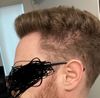
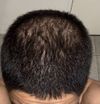
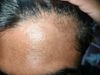
A user claims to have reversed baldness, possibly due to telogen effluvium recovery after weight loss. Others discuss the potential success of using GHK-Cu for hair regrowth.
A 34-year-old male is experiencing hairloss on the sides of his head, with inflammation and itchiness, while the top remains thick. He is using topical dutasteride and keto shampoo to address the issue.
A user on dutasteride for hairloss noticed hair regrowth on their head but a significant reduction in body hair growth. They plan to switch to finasteride and dutasteride and are considering testosterone replacement therapy but are concerned about its effects on hair growth.
A 17-year-old experiencing aggressive hairloss since December 2023 is using finasteride, vitamin D, and a biotin supplement but cannot use minoxidil due to dandruff. They have also undergone two PRP treatments and are seeking further advice.
Hairloss due to vitamin B12 deficiency is discussed, with some users suggesting supplements and dietary changes, while others recommend medications like finasteride or dutasteride. The conversation highlights differing opinions on the cause of hairloss, with some attributing it to genetics or male pattern baldness.
The user experienced significant hair regrowth with finasteride but noticed recent hair thinning, possibly due to nutrient deficiencies and weight loss. They plan to add microneedling and consider switching to dutasteride.
The user started using finasteride, minoxidil, and biotin for male pattern baldness (MPB) and is experiencing rapid thinning. They are questioning if low blood flow to the head could be contributing to their hairloss.
A South Korean company, Therazyne, has developed a promising hairloss treatment using a WNT chain surrogate that binds to Frizzled 7, with human follicle testing expected soon. Current treatments like minoxidil and finasteride are not seen as cures, and while optimism exists for future solutions like PP405, approval processes are lengthy.
A 22-year-old man shared his experience with hairloss, which began at age 20, and his treatment with finasteride and oral minoxidil, planning to add microneedling. Since experiencing hairloss, he has changed his perspective and now notices other men's hairloss more, viewing them positively, and others in the conversation relate to this shift in perception.
A 20-year-old male has been experiencing hairloss for three years due to a vitamin D deficiency and has seen no improvement after 3.5 months of taking supplements. Another person suggested that if the hairloss follows a pattern, it might be regular baldness rather than due to the deficiency.
The user has been experiencing sudden and aggressive hair shedding despite using oral dutasteride and topical minoxidil for six years, and recently added topical finasteride without improvement. Possible causes discussed include stress-related hairloss, dietary changes, or high DHT sensitivity, with suggestions to consult a doctor and consider adjusting treatments.
The conversation discusses hairloss treatments, including oral finasteride, topical minoxidil, and microneedling, and the potential impact of Vitamin D and folic acid deficiencies on hair regrowth. It suggests that while male pattern baldness is the primary cause, addressing vitamin deficiencies may aid in improving regrowth.
The conversation discusses the frustration of having excessive body hair while experiencing scalp hairloss, with mentions of treatments like finasteride, minoxidil, and hair transplants using body hair. Users share experiences and advice, noting the role of genetics and DHT in hair growth patterns.
Stopping hairloss treatments like finasteride and minoxidil can result in losing regrown hair, highlighting the importance of consistent use. Restarting these treatments may cause temporary shedding, but hair can regrow with continued use.
Hair transplants can initially yield good results, but native hair is more reliable, and transplanted hair may still be lost over time. Early intervention with treatments like topical finasteride and minoxidil is recommended, but it's important to start with lower doses and manage expectations realistically.
Hairloss can begin in early adolescence and cause mental anguish. Treatments mentioned include eating cruciferous vegetables, engaging in physical activity, and maintaining scalp hygiene.
A 19-year-old male experienced significant hairloss, initially thought to be male pattern baldness (MPB), and used minoxidil and briefly finasteride. After realizing the issue was telogen effluvium (TE), he improved his diet and supplemented with vitamins, which led to substantial hair regrowth.
An 18-year-old diagnosed with male pattern baldness is using probiotics, saw palmetto, pumpkin seed oil, soy isoflavones, biotin, fish oil, quercetin, a multivitamin, and ketoconazole shampoo. Replies suggest these methods are ineffective and recommend finasteride, minoxidil, and a derma roller.
The conversation is about a person who has been using finasteride for 12 months and minoxidil for 4 years, but is still experiencing hairloss. They are considering trying oral minoxidil, RU58841, tretinoin, and azelaic acid as potential treatments.
A 25-year-old male is experiencing advanced hairloss and is using topical and oral minoxidil, topical finasteride, and vitamin D3, but has not seen significant regrowth. He is considering switching treatments, including oral dutasteride, topical spironolactone, and possibly a scalp biopsy to better understand his condition.
A 16-year-old girl is experiencing hairloss, which has worsened despite using minoxidil and multivitamins. Suggestions include broader hormone testing and considering other treatments like spironolactone if the hairloss is due to androgenic alopecia.
The conversation discusses the idea that ejaculation and oxytocin might cause hairloss. It mentions treatments like Minoxidil, finasteride, and RU58841.
A 25-year-old is struggling with hairloss despite using treatments like oral Minoxidil, oral and topical Finasteride, Dutasteride, and PRP sessions. They feel frustrated with inconsistent treatment strategies and are seeking advice on managing thin hair and regaining confidence.
The user is experiencing chronic folliculitis with scalp sores and is concerned about a receding hairline. They have tried various treatments including antibiotics, Nizoral 2% shampoo, and lifestyle changes, but are seeking further advice.
A 26-year-old discusses hairloss treatment using oral finasteride microdosing, topical minoxidil with tretinoin, and dermastamping every 10 days. They started experiencing hairloss at 19 and have been using these treatments for 8 months.
The conversation discusses severe hairloss, possibly due to telogen effluvium or male pattern baldness, lasting over three years. Suggested treatments include minoxidil, finasteride, and dermarolling, with a recommendation to consult a dermatologist.
A 19-year-old is experiencing hairloss and shedding despite using Dutasteride and topical Minoxidil for six months. They are concerned about potential infections like folliculitis and are considering stopping the treatments due to stress and hairloss from various areas, including eyebrows and eyelids.
A 34-year-old woman is experiencing diffuse hairloss and irregular periods, possibly due to long-term spironolactone use. She is considering minoxidil and finasteride for treatment and seeking medical advice for androgenic alopecia and hormonal imbalances.
A 20-year-old male has been experiencing hairloss since age 16 and has tried various treatments including topical minoxidil, topical and oral finasteride, and oral dutasteride with minoxidil, but has not seen significant improvement. He is currently using 1.5mg dutasteride and 5mg oral minoxidil daily, along with derma penning, and is seeking advice on regrowing hair to avoid using hair fibers.