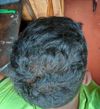
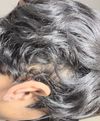
Astaxanthin may cause increased hair shedding, affecting even transplanted hair and eyebrows. The user has tried various treatments for androgenic alopecia, including minoxidil, finasteride, and RU58841.
Androgenic alopecia (AGA) might have evolved to reduce prostate cancer risk by increasing UV exposure to the scalp, but this theory is debated. Treatments like minoxidil and finasteride are used for AGA, though the exact causes and evolutionary reasons for hair loss are unclear.
People on testosterone replacement therapy (TRT) with aggressive androgenetic alopecia (AGA) discuss using Dutasteride or Finasteride, sometimes combined with topical treatments like RU58841 or CB-03-01 (Breezula), to prevent hair loss. Concerns about side effects and costs of certain treatments are mentioned, with one individual sharing their experience of slowed hair loss using Finasteride alone.
A user is treating hair loss with Dutasteride, Minoxidil, RU58841, Derminator 2, Vitamin D, Biotin, and Zinc. After 6 months, there's no significant visual improvement, but the user feels less insecure about Retrograde Alopecia.
An 18-year-old experiencing diffuse hair thinning since 8th grade seeks advice. They are concerned about having less hair than their 52-year-old father and are looking for treatment options.
Fluridil degrades androgen receptors, which are prevalent in the scalp and other tissues. People with androgenetic alopecia (AGA) may have higher expression of these receptors and 5AR activity in affected scalp areas.
CRISPR treatments for blood disorders have been approved, leading to discussions about its potential for treating hair loss (AGA). A study showed that editing a gene related to DHT sensitivity could lead to hair regrowth, suggesting CRISPR may eventually be used for AGA, but it's expected to be expensive and not soon available.
Sulfur soap may help with hair thickening and reducing scalp inflammation, but it can cause dryness. Nizoral, containing ketoconazole, is noted for its potential to reduce seborrheic dermatitis but may also cause scalp dryness and hair loss.
Whey protein isolate may worsen androgenetic alopecia (AGA) due to its potential to increase DHT levels, but finasteride use has helped maintain hair. Some users suggest avoiding protein supplements due to possible contaminants and additives that could affect hair health.
The user has androgenetic alopecia (AGA) and low Vitamin D levels, and they started using topical minoxidil (5%). They are considering finasteride but are concerned about side effects and are advised to seek mental health support.
Pelage is developing a topical hair follicle stem cell therapy, PP405, for non-scarring alopecias like androgenetic alopecia, with Phase III trials planned and a potential market launch by 2027. The treatment may not require continuous use after initial regrowth.
A 30-year-old woman with androgenetic alopecia is considering bicalutamide to slow hair loss but is concerned about its impact on muscle growth due to its anti-androgen effects. Alternatives suggested include dutasteride, spironolactone, RU58841, and minoxidil, with concerns about bicalutamide's side effects.
The user experienced hair thinning and was diagnosed with alopecia incognito and male pattern baldness. They are using minoxidil, finasteride, and dutasteride scalp injections, reporting gradual improvement with no side effects.
A 26-year-old is experiencing hair thinning and has received conflicting diagnoses of androgenetic alopecia and telogen effluvium. They are considering treatments like dutasteride, oral and topical minoxidil, and are unsure whether to start treatment or pursue further diagnosis like a scalp biopsy.
A 25-year-old male with androgenetic alopecia experienced improved hair condition after using finasteride, oral minoxidil, and dutasteride, but later faced diffuse thinning and texture deterioration after a shedding phase. Others suggest patience, continued treatment, and using ketoconazole shampoo, with some sharing similar experiences of post-shed thinning.
A 37-year-old male resolved scalp folliculitis by adopting a low-histamine diet and taking Vitamin A, Zinc, and Fish Oil, leading to better skin health and thicker hair. He warns about the potential toxicity of excessive Vitamin A intake.
A 30-year-old woman with a history of anemia and low vitamin D experienced hair shedding, which improved after addressing nutrient deficiencies. Despite regrowth of terminal hairs, her dermatologist recommended treatments like minoxidil and spironolactone to prevent future bald spots, but she is cautious due to family history of hormone-related cancers.
Male pattern baldness and diffuse thinning can both be forms of androgenetic alopecia (AGA), and it's important to consult a doctor for proper diagnosis. Treatments like Minoxidil, Finasteride, and biotin are discussed, but their effectiveness varies, and side effects are a concern.
A 31-year-old has been using finasteride, dutasteride, and oral minoxidil for hair loss. They noticed a sudden triangular thinning patch on their scalp and are seeking advice, questioning if it could be medication-related.
Hair loss discussion includes LLLT treatments and a satirical condition called PLLLTS, causing patients to resemble lighthouses and attract moths. Some users express concern about others taking the satire seriously.
A young man faces severe hair loss in his early 20s, using treatments like dutasteride and minoxidil with little success, impacting his self-esteem and relationships. He considers hair systems and therapy as potential solutions.
A 21-year-old with a family history of early balding is advised to see a dermatologist to confirm androgenetic alopecia (AGA) and consider treatments like finasteride or dutasteride to prevent further hair loss, and minoxidil, possibly with tretinoin, to regrow hair. Caution is advised with oral minoxidil, and a cardiologist should be consulted before use.
The conversation discusses androgenetic alopecia (AGA) and questions why treatments focus on lowering DHT levels instead of building resistance to it. It also touches on hair transplantation techniques using body hair.
Pyrilutamide's systemic degradation is unclear, unlike fluridil, which becomes inactive in the body. The discussion focuses on whether pyrilutamide shares this property.
Hair loss can begin in early adolescence and cause mental anguish. Treatments mentioned include eating cruciferous vegetables, engaging in physical activity, and maintaining scalp hygiene.