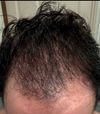
Finasteride helped users feel better about hair loss, with some experiencing positive changes in confidence and reduced anxiety. Despite initial concerns, users reported satisfaction with the treatment over several months.
The user started finasteride early for hair loss but saw no improvement, feeling hopeless despite adding dutasteride. Others suggest trying minoxidil, micro-needling, or considering blood flow issues, while some share similar struggles or suggest acceptance.
The user has been using liposomal topical finasteride since late 2022, progressively increasing the dose, but DHT serum levels remain largely unchanged. Despite using finasteride, minoxidil, microneedling, and ketoconazole, hair condition has neither improved nor worsened.
DUPA and retrograde alopecia may not be solely DHT-based, and a biopsy is crucial for accurate diagnosis and treatment. Treatments mentioned include dutasteride, oral minoxidil, pioglitazone, clobetasol, calcipotriol, ketoconazole, and doxycycline, depending on the specific condition.
The user is experiencing severe side effects from finasteride, including sleep issues, depression, and gynecomastia, and is considering stopping the medication. They are exploring other treatments like RU58841 and dutasteride but are hesitant due to potential side effects.
The user has been taking oral minoxidil, dutasteride, and biotin for 3 months and noticed changes in hair texture, suggesting potential regrowth or stabilization. Baby hairs and increased hair density are seen as positive signs.
The user has been using oral minoxidil and finasteride but has seen no regrowth, only stabilization of hair loss. Suggestions include considering a hair transplant or adding topical treatments, with some users sharing similar experiences of stabilization without regrowth.
A user is 8 months into treating hair loss with finasteride, minoxidil, ketoconazole, and pyrilutamide, but feels their condition is worsening. They are considering increasing their finasteride dosage due to aggressive hair loss and are experiencing scalp itchiness.
The user has been using finasteride, minoxidil, and nizoral for hair loss but hasn't seen regrowth, only maintenance. They are considering switching to dutasteride, which is believed to be more effective, but are concerned about potential side effects.
A user discusses switching from RU58841 to Pyrilutamide due to side effects like fatigue, brain fog, and elevated heart rate. They have used dutasteride, finasteride, and minoxidil, and are seeking safer alternatives.
The user has been using oral minoxidil, dutasteride, RU58841, and other treatments for hair loss over nine months, seeing some improvement in hair thickness and crown volume but continued thinning at the hairline. They plan to continue treatment for another nine months despite being sensitive to DHT fluctuations and are considering increasing dosages or other options like a hair transplant.
The user has been using finasteride for over two years with mixed results and is considering starting dutasteride and oral minoxidil, though both are hard to obtain. They are also contemplating a hair transplant in the future due to diffuse thinning.
The conversation discusses the difficulty in distinguishing between side effects of finasteride (like brain fog and loss of libido) and depression caused by hair loss. Users share experiences of severe depression while on finasteride, leading some to stop the treatment despite anxiety over hair loss.
The user has been using finasteride for over a year and noticed short, prickly hairs on their scalp that don't grow like the rest of their hair. Despite losing about 40 short hairs when washing, their overall hair density hasn't decreased.
The user has been using pyrilutamide 0.5% for over 7 weeks, alongside dutasteride, and noticed some hair improvement, particularly at the temples. They plan to continue and possibly try a 1% solution, with no shedding or side effects reported.
A user reports high DHT levels despite taking finasteride and is concerned about inconsistent blood test results. They also take modafinil, vitamin D, and magnesium supplements.
A 15-year-old is experiencing hair loss and is considering treatment options. They are aware they cannot use DHT blockers like finasteride due to their age and are exploring other causes like Telogen Effluvium.
The user is using oral finasteride, topical minoxidil, and microneedling for hair loss. Progress has slowed, with the crown showing little change, but the hairline is improving with more thin baby hairs.
User experienced side effects from oral finasteride and tried topical Alfatradiol for hair loss. Alfatradiol provided maintenance without significant regrowth, and user suggests it as an alternative for those struggling with finasteride side effects.
A user experienced decreased free testosterone levels after three months of using finasteride, despite positive results in hair shedding reduction. They are considering switching to topical finasteride and plan to conduct further blood tests, including checking SHBG levels, to understand the hormonal changes.
A user's 3-month experience with pyrilutamide to reduce hair shedding, and how it may not be strong enough to stop the thinning of their hairline. Other users mentioned the effectiveness of minoxidil and finasteride for treating hair loss.
The user noticed small circular hairless spots after a buzz cut and has been using finasteride, dutasteride, and oral minoxidil for hair loss. They are experiencing continuous shedding and thinning, and it is suggested they consult a dermatologist for a scalp examination and possible biopsy to determine if it's alopecia areata or androgenetic alopecia.
The user experienced reduced hair loss using grey-market KX-826 alongside Minoxidil foam, achieving better results with Minoxidil liquid but restricted to foam due to an allergy. Initial side effects included shortness of breath, racing heart, and dizziness, which subsided after the first week.
A 19-year-old male shared his 10-month progress using finasteride, starting at 0.25mg and increasing to 1.25mg daily, noting new hair growth at the temples. He experienced a significant shed at 6 months but reported no side effects from increasing the dosage.
A 35-year-old male experiences rapid hair loss on his head and body despite normal test results for testosterone, thyroid, and vitamins. He previously used topical minoxidil and retinol, and doctors have been consulted without finding a clear cause.
A user's update on their hair loss treatments, which included Minoxidil and finasteride; they are experiencing reduced shedding with minimal side effects. Other users provided additional advice to the poster based on their own experiences.
A user discovered they have naturally low DHT levels and is concerned about taking finasteride, which could further lower these levels. They are seeking advice on whether to proceed with the treatment given their hormone levels are within the normal range.
A 21-year-old male uses minoxidil, finasteride, and dutasteride for hair loss but still experiences progression with high DHT levels. Suggestions include increasing dosages, checking for deficiencies, considering a hair system, or consulting a specialist.
The conversation discusses concerns about brain fog potentially caused by finasteride use, with some users sharing personal experiences of cognitive issues and others suggesting it might be paranoia or unrelated. The original poster decides to stop using finasteride to see if their cognitive function improves.
Clascoterone is considered overhyped and not as effective as finasteride or dutasteride, but it may be useful as a supportive treatment in combination with other therapies. Users express skepticism about its effectiveness compared to clinical trials, with some suggesting it could be beneficial for those who cannot tolerate other treatments.