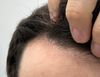
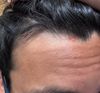
Microneedling once a week at 1mm caused bumps, possibly scars, in the treated area. The user is considering cleaning the skin before microneedling to prevent this issue.
The conversation discusses using olive oil, shampoo, conditioner, and moisturizer before applying minoxidil to combat the drying effects of alcohol in hair treatments. The user asks if facial moisturizer like Cetaphil is safe for the scalp.
User is depressed about hair loss despite using topical minoxidil for 5 months and topical finasteride for 2 months, with no improvement. Others suggest trying oral finasteride, seeing a specialist for dandruff and oily scalp, and being patient.
The conversation is about organizing hair regrowth results using a standard format in a single post for easier access. Treatments mentioned include oral minoxidil, oral finasteride, and dermarolling.
Male pattern baldness can occur with or without an oily scalp, but an oily scalp and seborrheic dermatitis can worsen the condition. Treatments like finasteride, minoxidil, and ketoconazole shampoo are used, and managing diet and scalp care can help control symptoms.
The conversation discusses using minoxidil and microneedling to potentially thicken small hairs on the forehead after a hair transplant. It also mentions the importance of using an oral DHT blocker for hair growth.
Scalp biopsies are crucial for diagnosing hair loss conditions like Diffuse Unpatterned Alopecia (DUPA) and retrograde hair loss, as treatments like finasteride and dutasteride may not be effective if other conditions are present. Combining PPAR-GAMMA agonists with retinoids could improve treatments for conditions like Lichen Planopilaris.
Excessive scalp sebum, worsened by DHT, can lead to inflammation and hair loss, with clascoterone mentioned as a treatment. Diet changes seem ineffective for scalp sebum, and treatments like minoxidil and finasteride are suggested.
A user reported that applying castor oil to their eyebrows for two weeks resulted in thicker hair and is considering using it on their scalp to thicken existing hair, not to stop balding. They do not expect it to cure male pattern baldness.
The conversation is about enhancing dermarolling for hair loss by using topical peptides like tb-500 or GHK-Cu to aid in healing and hair growth, and whether anyone has experienced significant results from this method.
A 28 year old male experiencing diffuse thinning, chronic dandruff and scalp crust (seborrheic dermatitis), with replies discussing the use of topical fin for hormone imbalances and Nizoral for seb derm.
Small hairs around the hairline may regrow with continued use of minoxidil, finasteride, and ketoconazole. The user is hopeful about hairline improvement.
A woman with hair loss discovered she has thyroid cancer, which was found during an MRI and confirmed with an ultrasound. She advises others with symptoms to see a doctor and shares that her cancer was detected after her dog sniffed her neck and she experienced neck pain.
A user's progress with a hair loss treatment regimen consisting of minoxidil, finasteride, and dermarolling once a week over four months; other users have offered encouragement and advice.
Switching from topical to oral minoxidil resolved issues like watery eyes and ear itchiness. Users report oral minoxidil is better for sensitive skin, though some are concerned about side effects like hair growth everywhere.
A 23-year-old male experienced sudden hair loss over six months, losing about 30% of his hair. Treatments include 10% minoxidil, a hair spray, and a vitamin pill; opinions on the cause vary between normal hair loss due to deficiencies and male pattern baldness.
The user is experiencing diffuse thinning and inflammation despite using 2.5mg dutasteride daily, ciclopirox, and ketoconazole shampoos. They are considering treatments like hydroxychloroquine and JAK inhibitors due to suspected scarring alopecia and have faced challenges in obtaining a scalp biopsy.
Minoxidil helped with hairline regrowth, but stopping it led to hair loss, suggesting circulation issues. Dermarolling, collagen peptides, and oils like castor and rosemary are recommended for improving hair health.
The conversation is about the potential side effects of using verteporfin in conjunction with a hair transplant. Specific treatments discussed include verteporfin, a hair transplant (HT), minoxidil (Min), finasteride (Fin), and RU58841 (RU).
A person dealing with hair loss is considering shaving their head, using scalp micropigmentation to cover a FUT scar, or trying a hair system. They are also contemplating treatments like minoxidil, finasteride, and dutasteride.
The conversation discusses the challenges of maintaining a balding head, with some preferring to shave regularly and others choosing to embrace their hair loss. Specific treatments or concerns about hair transplants and societal perceptions of balding are also mentioned.
OP has been using alfatradiol and a mix of rosemary, peppermint, and jojoba oils for hair loss, with inconsistent dermapen sessions. They plan to add topical finasteride at 0.025% later.
The user is experiencing chronic folliculitis with scalp sores and is concerned about a receding hairline. They have tried various treatments including antibiotics, Nizoral 2% shampoo, and lifestyle changes, but are seeking further advice.
The user is questioning if they are experiencing hair regrowth after using topical Minoxidil for 4-5 months, noting increased body hair but uncertain head hair changes. Other users suggest the appearance is due to a natural cowlick rather than balding.
The user shared their 7.5-month post-hair transplant results, mentioning they have been using finasteride and oral minoxidil. The conversation includes mixed reactions, with some users complimenting the results and others critiquing the hairstyle and presentation.
The user experienced hair thinning with dandruff and itchiness but not complete baldness, and found relief using dermarolling and castor oil. They did not use minoxidil or finasteride and discussed the potential impact of lifestyle choices on hair loss.
A 22-year-old with advanced diffuse thinning is considering oral dutasteride after stopping finasteride due to side effects like brain fog and testicular pain. They are also contemplating a hair transplant combined with oral dutasteride and topical finasteride, noting a thick donor area.
A user's experience with the Big 3 (minoxidil, finasteride and RU58841) hair loss treatment along with dermarolling. The dermaroller pin was 1.5mm used once per week and drew some blood but not a lot.
The conversation discusses switching from oral to topical finasteride for hair loss, with concerns about application methods and side effects like dizziness and low energy. Users suggest mixing finasteride with minoxidil for better scalp coverage and dosage control.