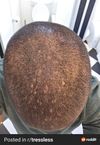
The user uses finasteride, ketoconazole shampoo, and derma stamping for hair loss. They consider rosemary and castor oil as alternatives to minoxidil due to fewer side effects.
The conversation suggests that people should consult a dermatologist to understand their type of hair loss before starting treatments like finasteride or dutasteride, especially if they have autoimmune issues or low DHT. Some participants believe in starting treatment like finasteride immediately if hair loss is due to DHT, while others recommend ruling out other causes and considering minoxidil first, especially for younger individuals.
The post discusses the side effects of various drugs causing excess hair growth, questioning why only minoxidil is used in the hair loss industry. The conversation includes users sharing their experiences and concerns about potential side effects of these drugs, with some preferring baldness over potential health risks.
The conversation is about recommendations for hair loss treatments, including minoxidil, nizoral shampoo, castor oil, a dermapen, and tocotrienols. Users discuss different minoxidil brands, with some preferring Kirkland despite concerns about irritation and dilution.
A 26-year-old is considering embracing baldness after mixed results and side effects from using dutasteride, minoxidil, and finasteride for hair loss. Suggestions include trying new hairstyles, considering a hair transplant, or focusing on self-acceptance.
A user experienced positive hair growth results using 5% topical minoxidil for a year and 1 mg finasteride for four months but is considering stopping finasteride due to persistent side effects like libido loss. Others in the conversation discuss similar experiences, suggest trying topical finasteride to reduce side effects, and emphasize the importance of overall health and lifestyle.
Finasteride can cause initial hair shedding as part of the treatment process, which is normal and often leads to regrowth of healthier hair. Users discuss experiencing multiple shedding phases and emphasize patience, as results can take several months to become noticeable.
The conversation is about hair loss treatments, specifically the lack of improvement after one year of using oral finasteride and topical minoxidil. Suggestions include switching to stronger medications like dutasteride and oral minoxidil, considering a hair transplant, and possibly using microneedling or tretinoin.
A transwoman shared her 11-month progress using hormone replacement therapy (HRT), finasteride, and minoxidil, reporting significant hair regrowth and satisfaction with the results. The discussion included various perspectives on HRT, its effects on hair and sexual function, and personal experiences with similar treatments.
Finasteride is not linked to a 60% risk of persistent sexual dysfunction; this figure applies only to those already experiencing sexual issues. Most users do not have side effects, and the study's methodology is criticized for selection bias.
The user noticed small circular hairless spots after a buzz cut and has been using finasteride, dutasteride, and oral minoxidil for hair loss. They are experiencing continuous shedding and thinning, and it is suggested they consult a dermatologist for a scalp examination and possible biopsy to determine if it's alopecia areata or androgenetic alopecia.
Minoxidil can help with hair growth but not prevent hair loss, while finasteride is recommended to stop hair loss. Combining both treatments is suggested for better results, but side effects should be monitored.
The user experienced significant hair regrowth in two months using finasteride, topical minoxidil, and weekly microneedling, but developed dark spots on the scalp, possibly from irritation. They plan to try ketoconazole shampoo to address the issue and will consult a dermatologist.
The user is experiencing hair loss with possible causes including chronic telogen effluvium, diffuse alopecia areata, and androgenic alopecia. They have tried treatments like Nizoral shampoo, minoxidil, and finasteride, and are considering a biopsy for further clarity.
Scalp massages have mixed reviews for hair loss; some users report reduced shedding and healthier hair, while others see no benefit or worsening conditions. Many prefer proven treatments like minoxidil, finasteride, and dutasteride over massages.
A user shared their positive experience with hair regrowth after three months using topical minoxidil twice daily, 1mg finasteride every morning, and microneedling every 10 days. They reported no side effects and encouraged others to consider similar treatments.
The user was rejected from participating in a clinical trial for an extended-release oral Minoxidil due to having rheumatoid arthritis, despite initially being accepted. They had stopped using Dutasteride and Minoxidil to qualify but continued using other treatments like RU58841 and red light therapy.
A 23-year-old male experienced hair thinning and side effects from finasteride and minoxidil. He found improvement in hair health and other symptoms by using mouth tape at night, suggesting better oxygen intake might help with hair loss.
Dutasteride at 2.5 mg/day reduces scalp DHT by 80%, while 0.5 mg/day reduces it by 50%, with minimal difference in side effects. Users often combine it with finasteride, RU58841, and minoxidil for better hair loss management, though side effects like dry skin and pimples are noted.
Combining microneedling with Low Level Laser Therapy (LLLT) for hair growth, with discussions on device legitimacy and effectiveness. Alternatives like PEMF and the use of oral and topical treatments such as dutasteride, minoxidil, and finasteride are also considered.
The user is experiencing hair loss and confusion over conflicting medical advice, with treatments including minoxidil, finasteride, and topical corticosteroids. They are unsure about the necessity of a biopsy and the timing of using minoxidil, while also considering the impact of potential androgenetic alopecia and telogen effluvium.
A user is considering a topical hair loss treatment with Bimatoprost 0.03%, Dutasteride 0.1%, Minoxidil 7%, and Tretinoin 0.015%, and is unsure about adding oral finasteride due to potential side effects. Another user suggests microneedling and mentions the benefits of a high protein and omega-3 diet for hair health.
The conversation discusses hair loss treatments for a 30-year-old female, comparing red light therapy with minoxidil and finasteride. Concerns about hormonal impact and potential pregnancy are raised, with suggestions to consider spironolactone and microneedling, while emphasizing the importance of consulting a dermatologist.
A 24-year-old user tried finasteride, oral minoxidil, and dutasteride for hair loss but saw no improvement and was advised by their dermatologist to accept baldness. Other users suggested alternative treatments like RU58841, pyrilutamide, microneedling, and checking for underlying conditions or lifestyle factors.
The post discusses using ImageJ software to objectively track hair regrowth progress. The user is treating Androgen alopecia with dutasteride and minoxidil.
A user shared their 3-month progress using Hims topical spray containing minoxidil and finasteride for hair loss, noting some improvement and stopping dermarolling. They hope for continued growth despite noticing some hair shedding.
A new drug can regrow teeth, but hair loss treatments like Minoxidil, finasteride, and RU58841 are still being developed. Users express hope for future advancements and discuss the importance of mental health and the potential profitability of hair loss solutions.
The conversation discusses why personal stories about hair loss treatments like Minoxidil and finasteride are often taken more seriously than scientific evidence in certain forums. People tend to believe what they want and use others' experiences to support their own views on treatment effectiveness and side effects.
A user has been using finasteride for 1.5 years and reports significant improvement in hair quality and thickness, but not much change in hairline. They started with a big shed and take 0.5 mg daily.